


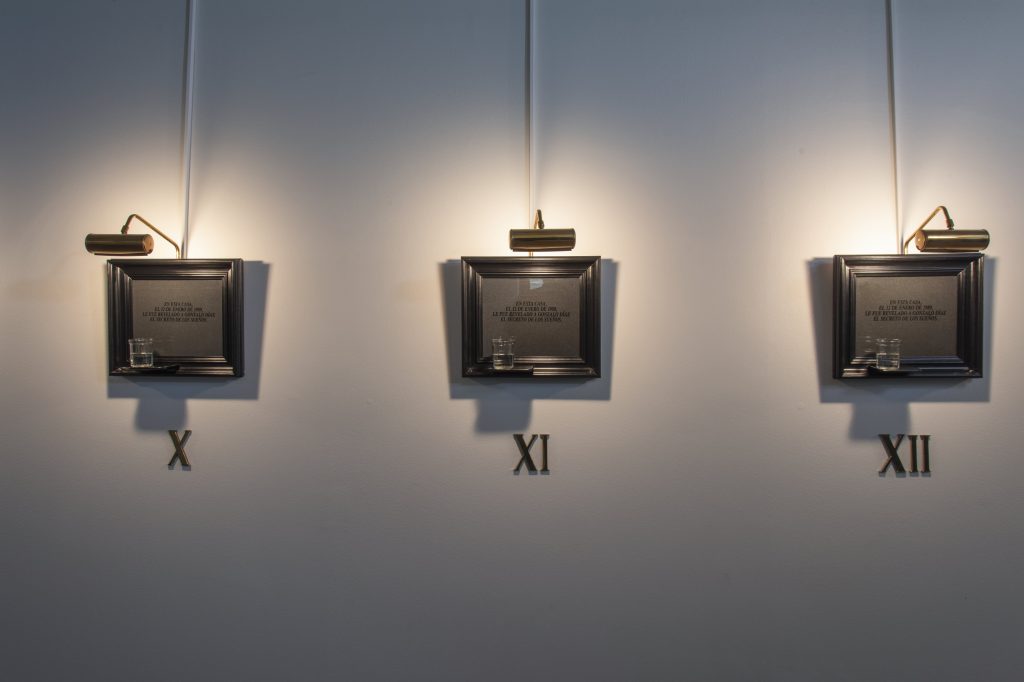
At the end of 1978, fifteen human remains were found in the ovens of an abandoned lime mine in Lonquén, southwest of Santiago. They were the bodies of fifteen peasants from the area who had been detained by the police in October 1973, a little less than a month after the military coup. Almost exactly ten years later, on January 12, 1989, Gonzalo Díaz exhibited for the first time his installation «Lonquén» at the Ojo de Buey gallery (Santiago): «Only after ten years of metabolic retention, of looking at what those half-point photographic jaws hide -architecture adequate to the magnitude of a massacre- has it become possible for me to directly face the Via Crucis of this dreadful affair» -said the artist in the catalog of that exhibition.
According to Pablo Oyarzun, the retention of which Diaz speaks «is not simply due to a will, a discipline and a conscious control, but has been forced by the blinding evidence of the ruin, of that kind of funerary monument of «stone on stone» (…) A retention that is an admirable exercise of survival in art; of survival of art, one would also say, «in the midst of the hecatomb.»


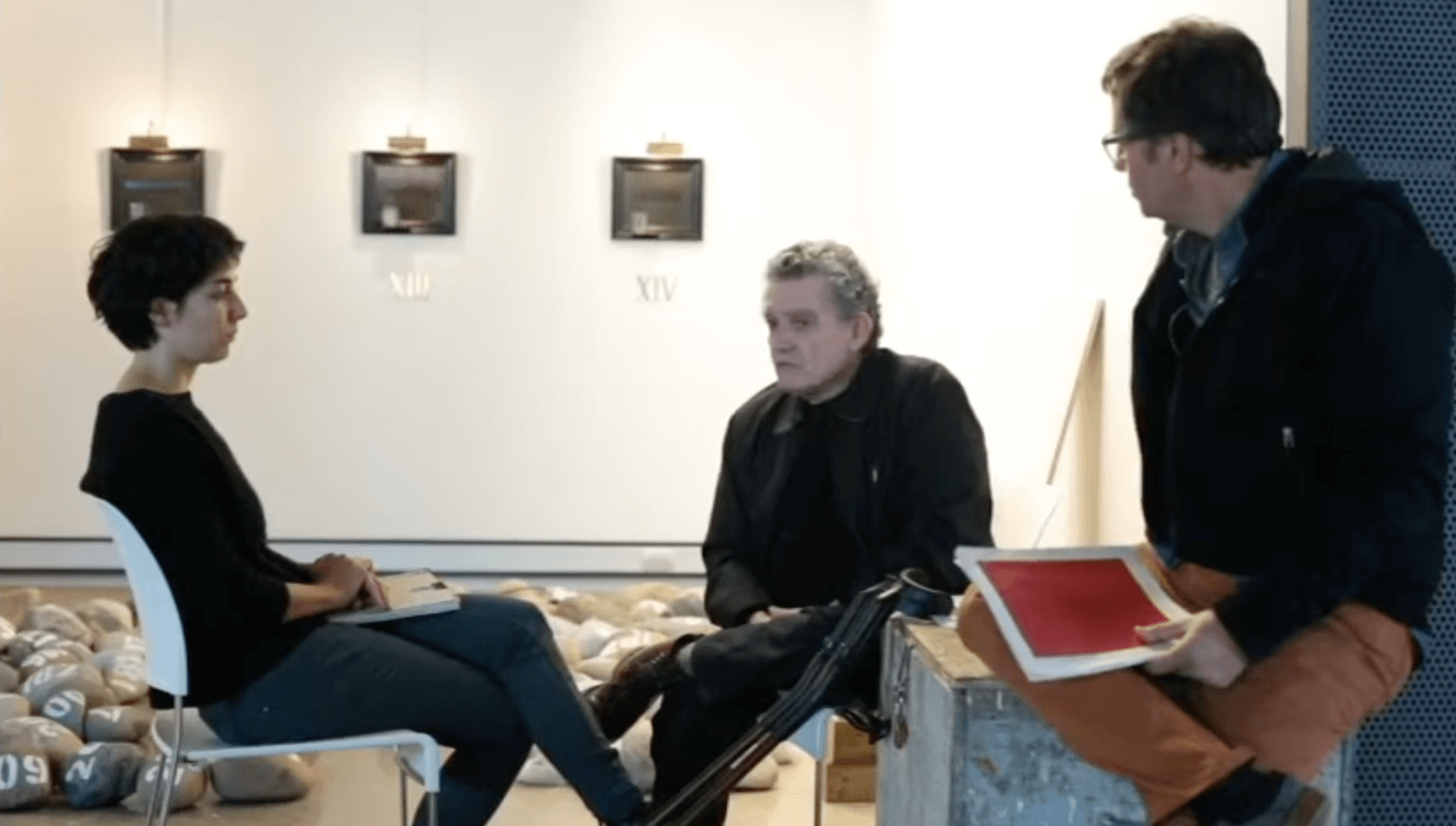
WATCH DOCUMENTARY
EXHIBITIONS
October, 2022
And suddenly, there was no longer a shore. Part two.
Various artists
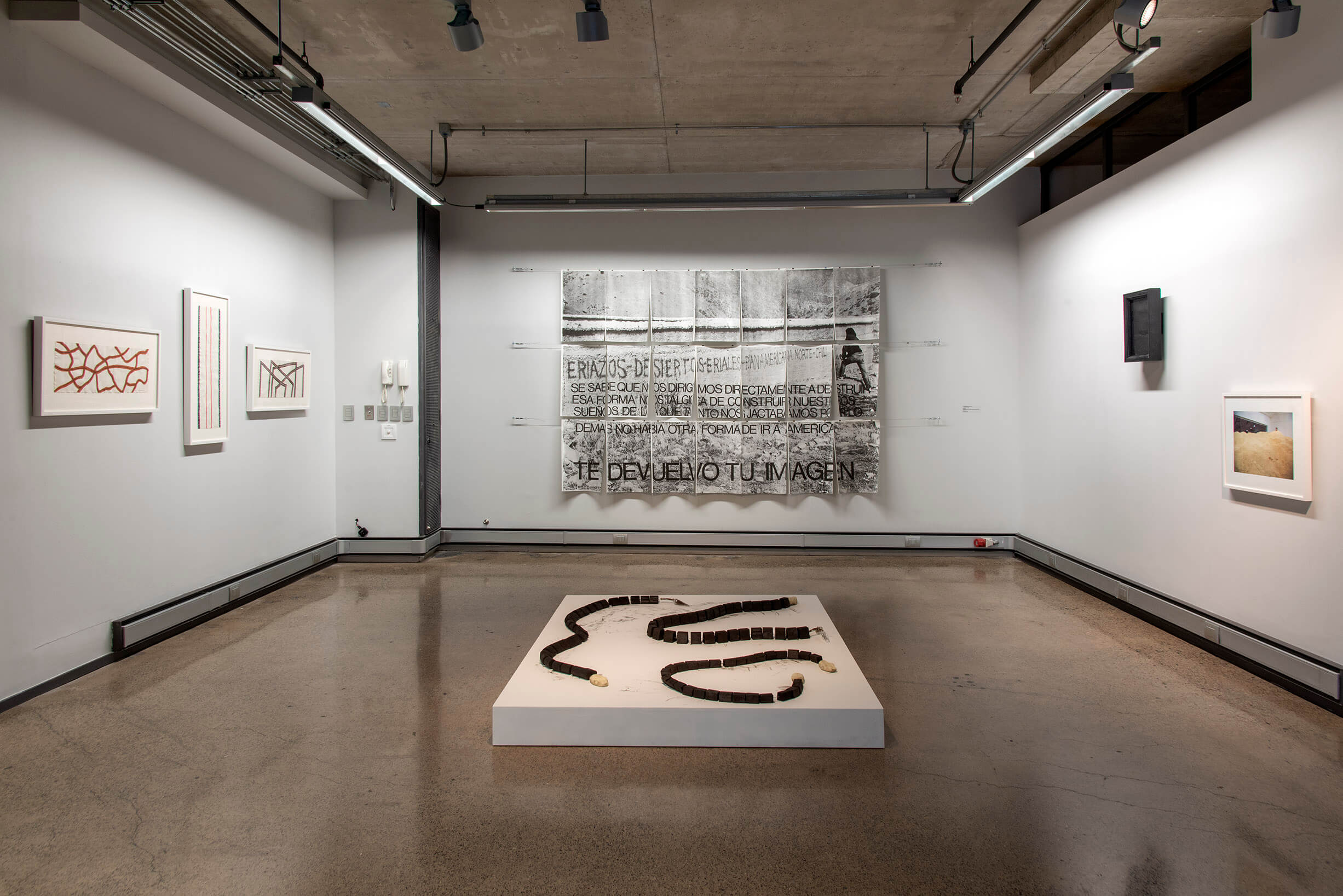
This two-part exhibition takes as its starting point the tension between humidity and dryness. Through a movement between both qualities, the works gathered here explore aspects such as landscape, eroticism, language, colonial memory, extractive violence, crisis and regeneration of the planet. This first exhibition explores the possibilities of the liquid and the second will focus […]
GO TO EXHIBITION
June, 2022
And suddenly, there was no longer a shore. Part one.
Various artists
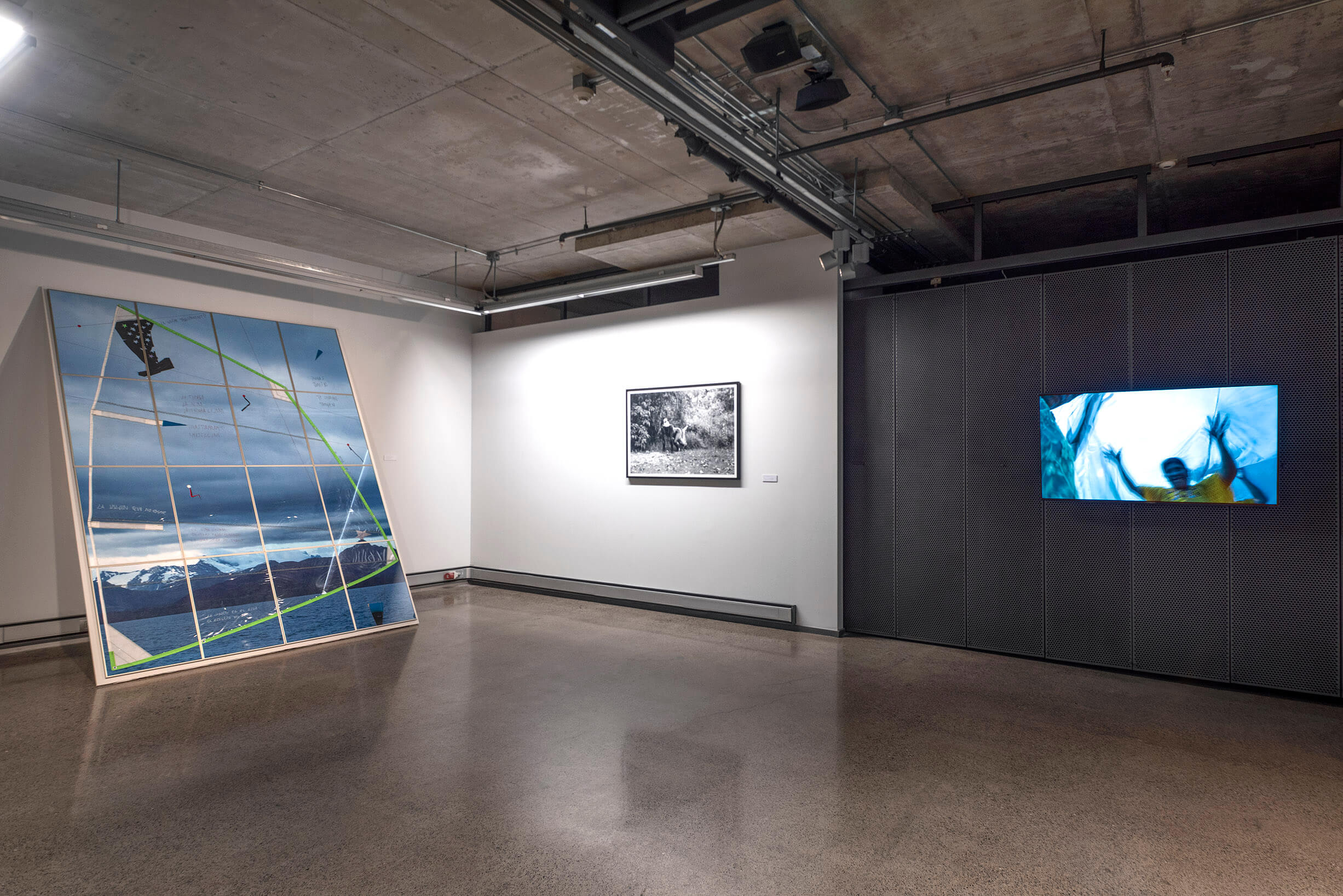
This two-part exhibition takes as its starting point the tension between humidity and dryness. Through a movement between both qualities, the works gathered here explore aspects such as landscape, eroticism, language, colonial memory, extractive violence, crisis and regeneration of the planet...
GO TO EXHIBITION
January, 2022
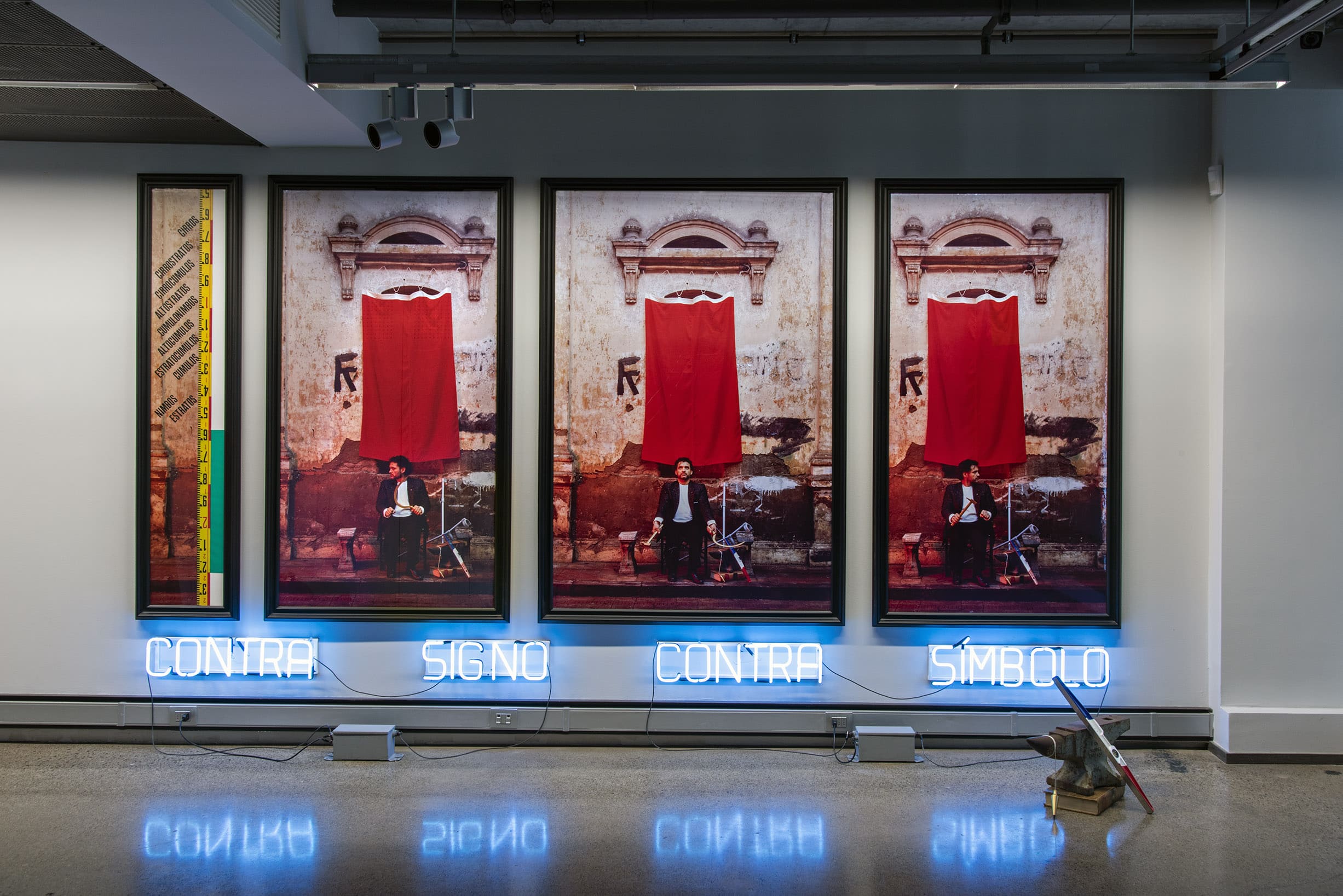
Pequeña y Hermosa Conjetura
Artist: Gonzalo Díaz
The exhibition Pequeña y hermosa conjetura brings together more than 30 years of the career of artist Gonzalo Diaz, winner of the 2003 National Visual Arts Award. Along with Fotoperformance -a work exhibited for the first time in Chile since its first appearance in Cirugía Plástica...
GO TO EXHIBITION
October, 2021
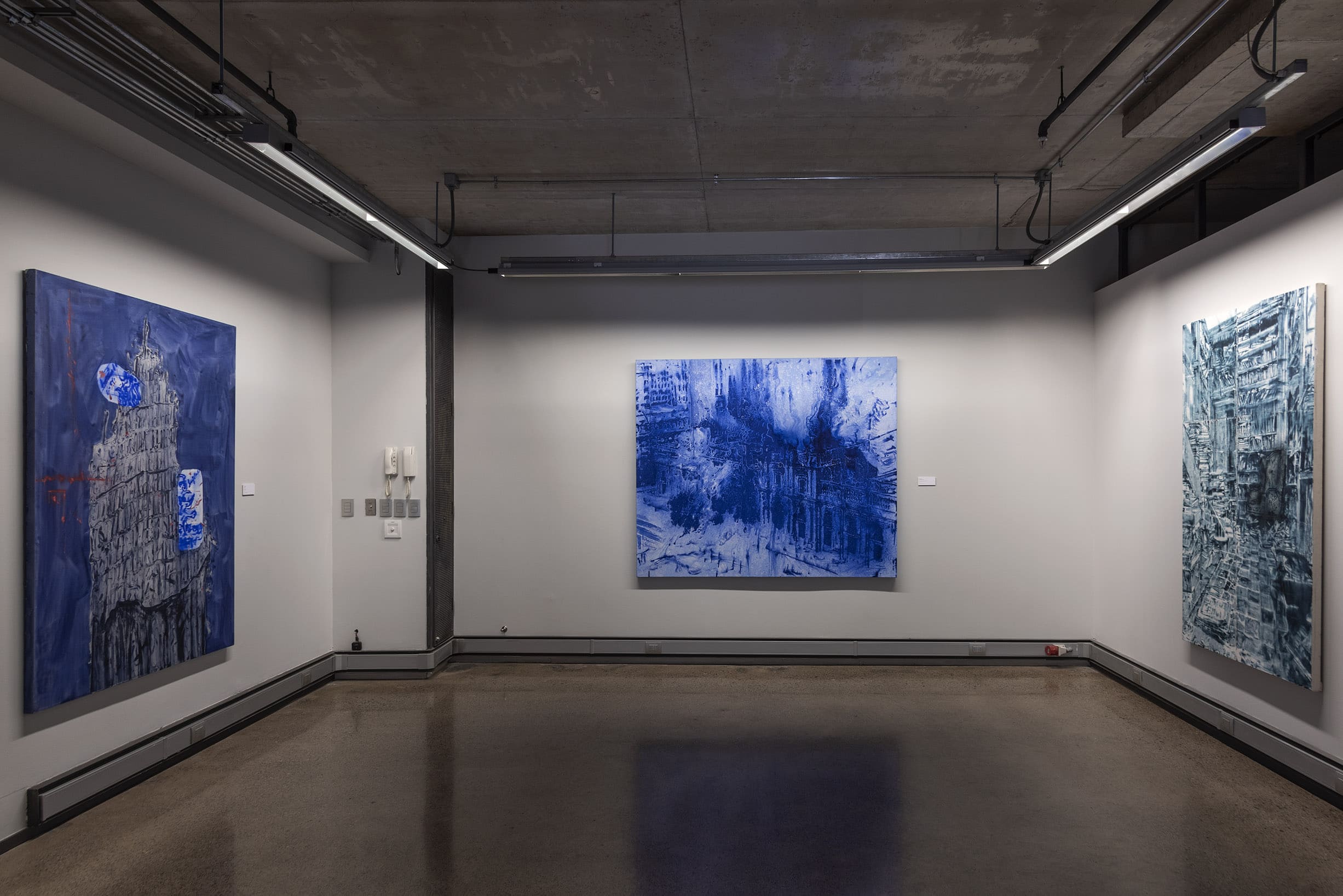
Natural History of Destruction
Artist: Jorge Tacla
The ruins with which we coexist are not only the debris and material remnants of the past; they are, above all, the testimony of the losses associated with that disappearance. They also force us to deal with a series of conflicting stubble, the immaterial rust of decaying political institutions, expired ideological structures and archaic biases […]
GO TO EXHIBITION
October, 2021
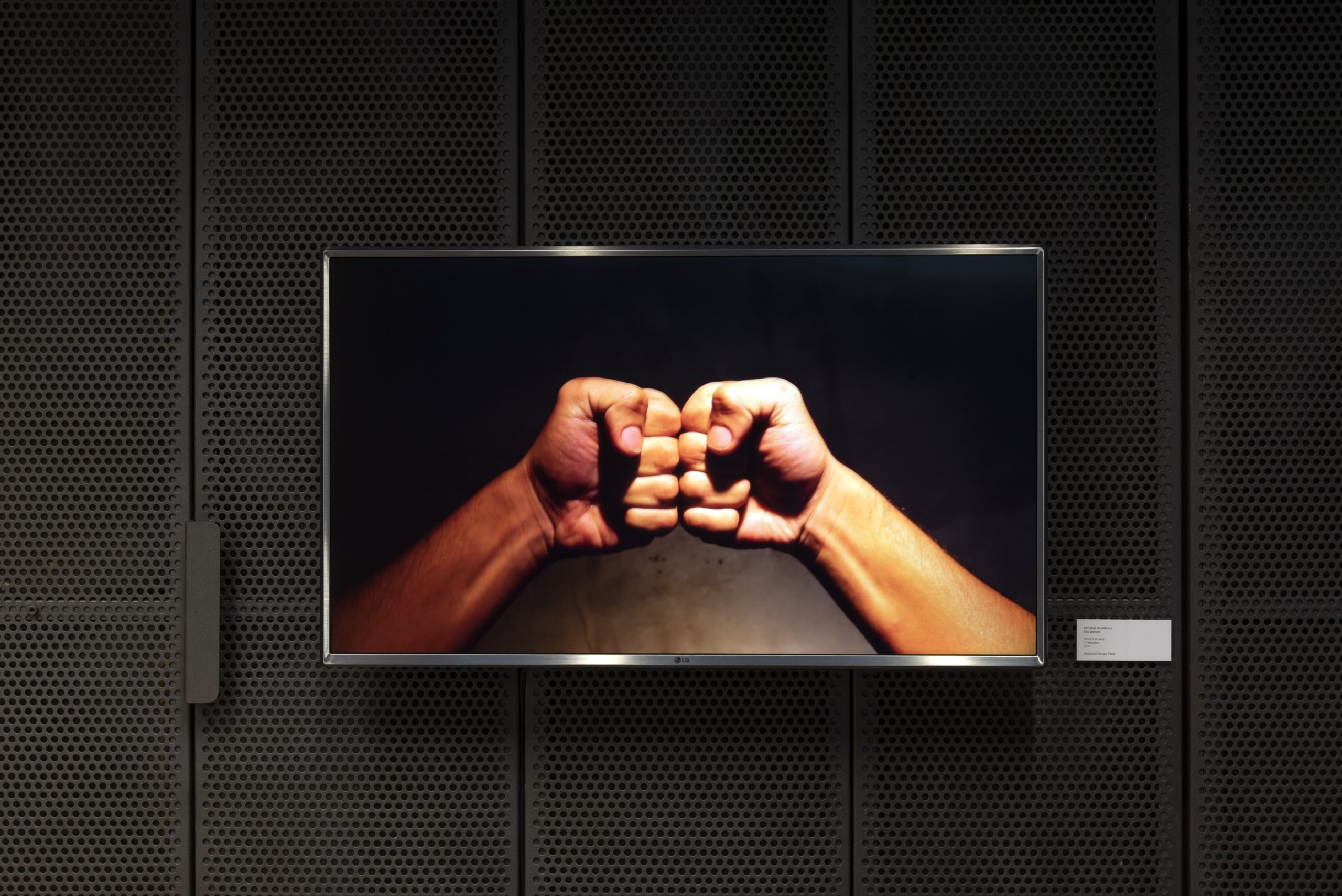
La Parte Maldita
Artist: Patrick Hamilton, Josefina Guilisasti, Christian Salablanca
Taking as a starting point a dislocated reading of Georges Bataille’s The Accursed Share (1949), this exhibition seeks to continue reflecting on violence, but now through the work of three contemporary artists. In El caso de las cajitas de agua (2003), Josefina Guilisasti takes a police case from history to elaborate, in seven parts, a […]
GO TO EXHIBITION
December, 2020
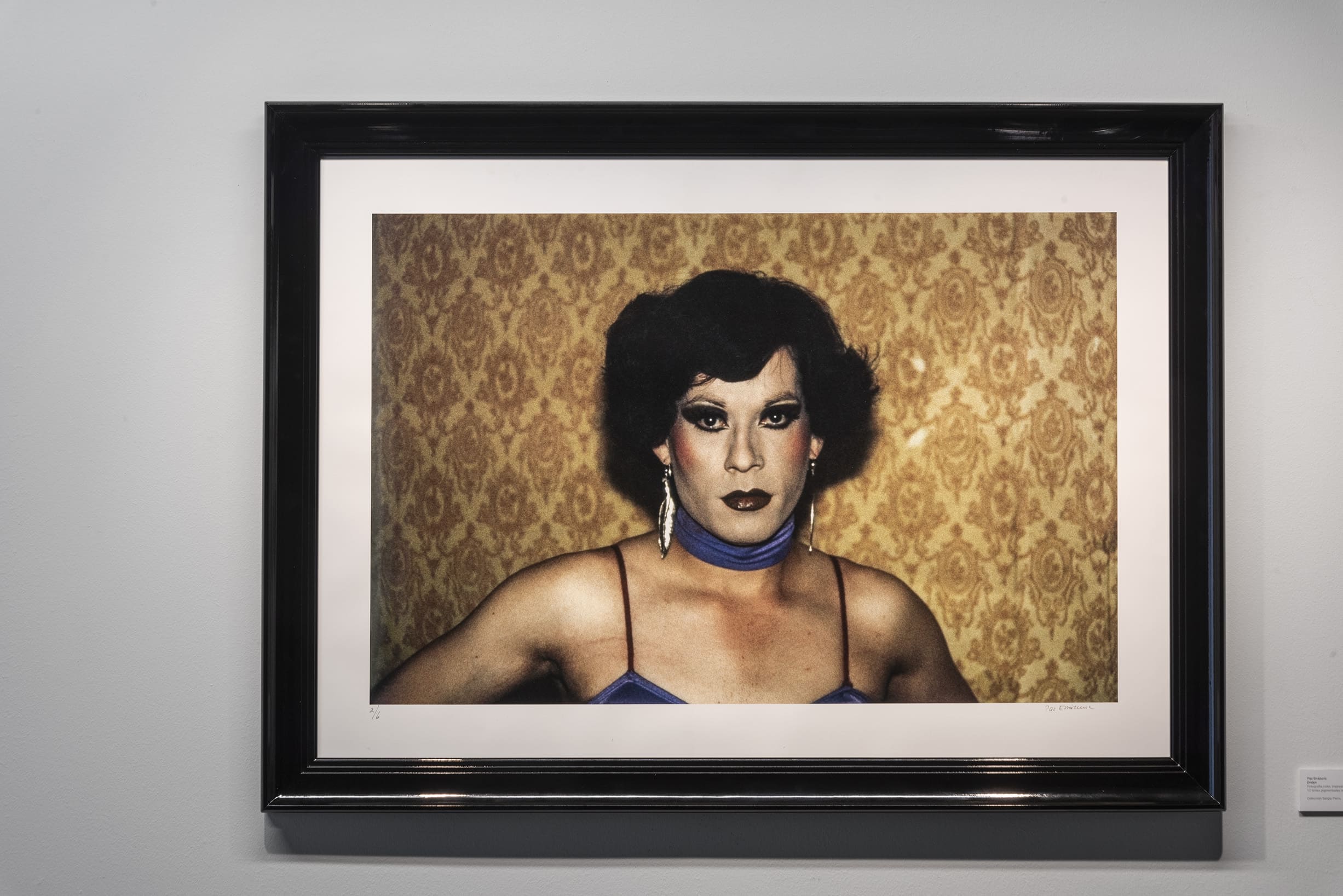
Distanciamiento Social
Artist: Paz Errázuriz
«In my work there is a continuity. I could also call it a set of variations on the same theme. Small chapters that always point to the same thing. They are closed, marginal spaces, spaces of minorities. One learns to travel through worlds that are closer than we think. It is as if one had […]
GO TO EXHIBITION
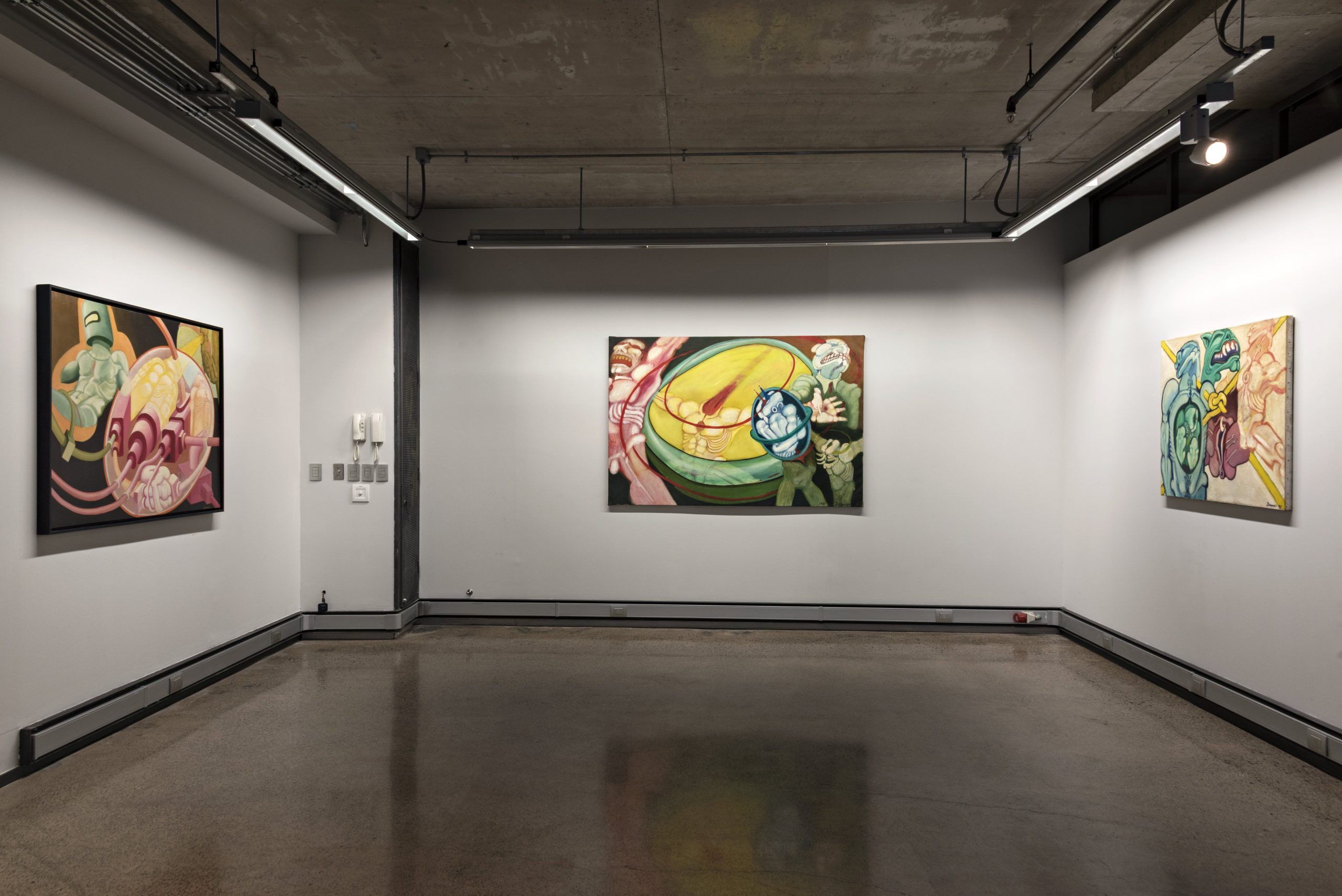
September, 2020
El Nudo de la Vida
Artist: Juan Downey
El nudo de la vida (“The knot of life”) proposes a visual and conceptual reflection on the early work of Chilean artist Juan Downey (1940 - 1993). The exhibition explores part of the pictorial and graphic work developed by the artist in the 1960s, while living in Barcelona, Madrid, Paris and New York...
GO TO EXHIBITION
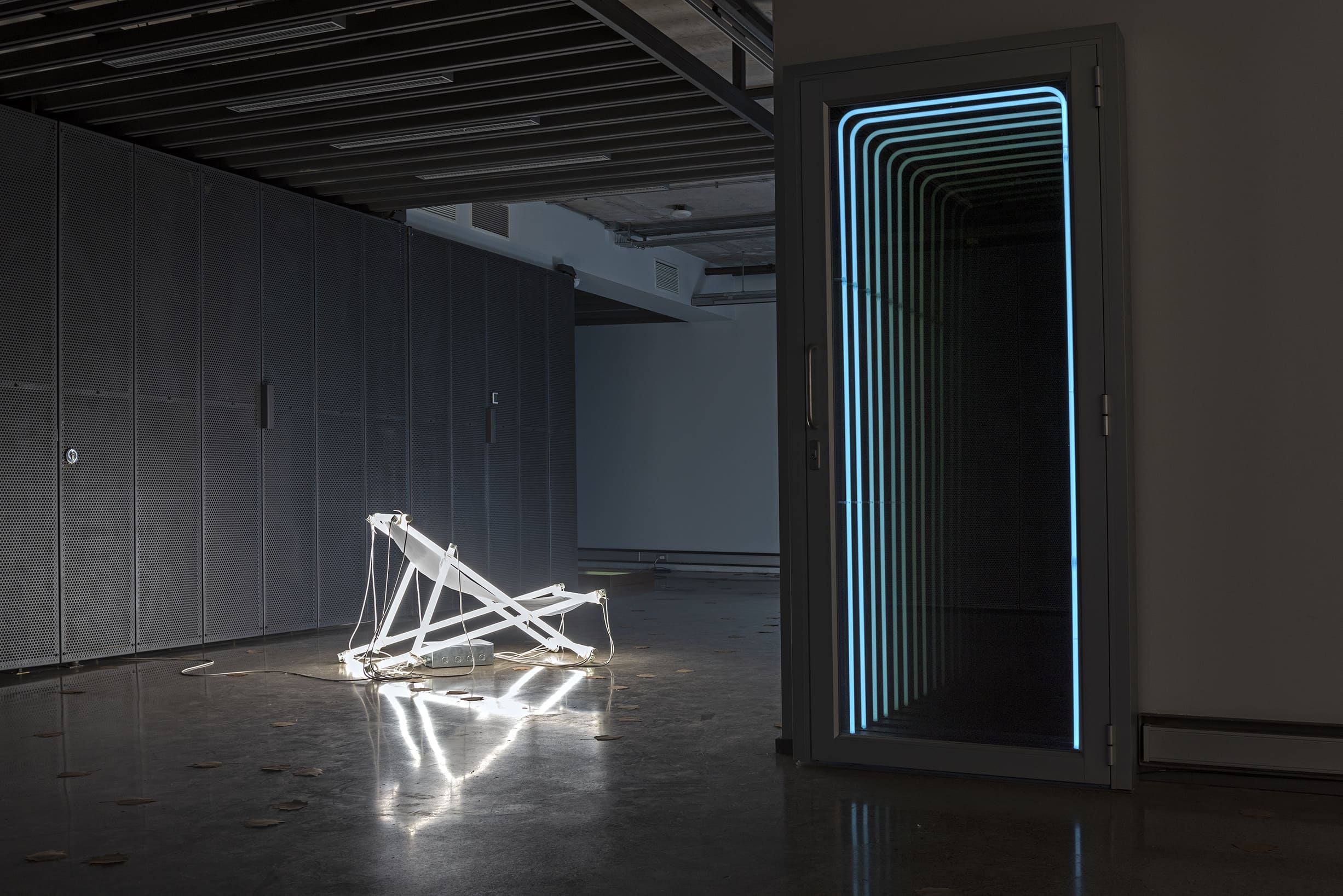
November, 2019
Nocturne
Artist: Iván Navarro
A nocturne, by definition, is a musical composition without a specific form that is usually performed at night when the lack of light sharpens the senses and ignites our thoughts. A nocturne, visually, can be an aesthetic incident, a shadowy image where lights...
GO TO EXHIBITION

June, 2019
Incarnated Stories
Various artists
Anthropology has shown the importance of storytelling in the construction of a collective identity in human societies: storytelling activates a performative mechanism that allows us to anchor and identify ourselves in shared referents.
GO TO EXHIBITION

March, 2018
Al calor del pensamiento
Artist: Gonzalo Díaz
"We look for the unconditioned everywhere and only ever find things." That is the quote from Novalis that Gonzalo Díaz recovers in the installation "Al Calor del pensamiento” (“In the Heat of Thought”). According to Sergio Rojas, we cannot fail to perceive here a note of the special and powerful experience of finitude that was typical of Romanticism...
GO TO EXHIBITION