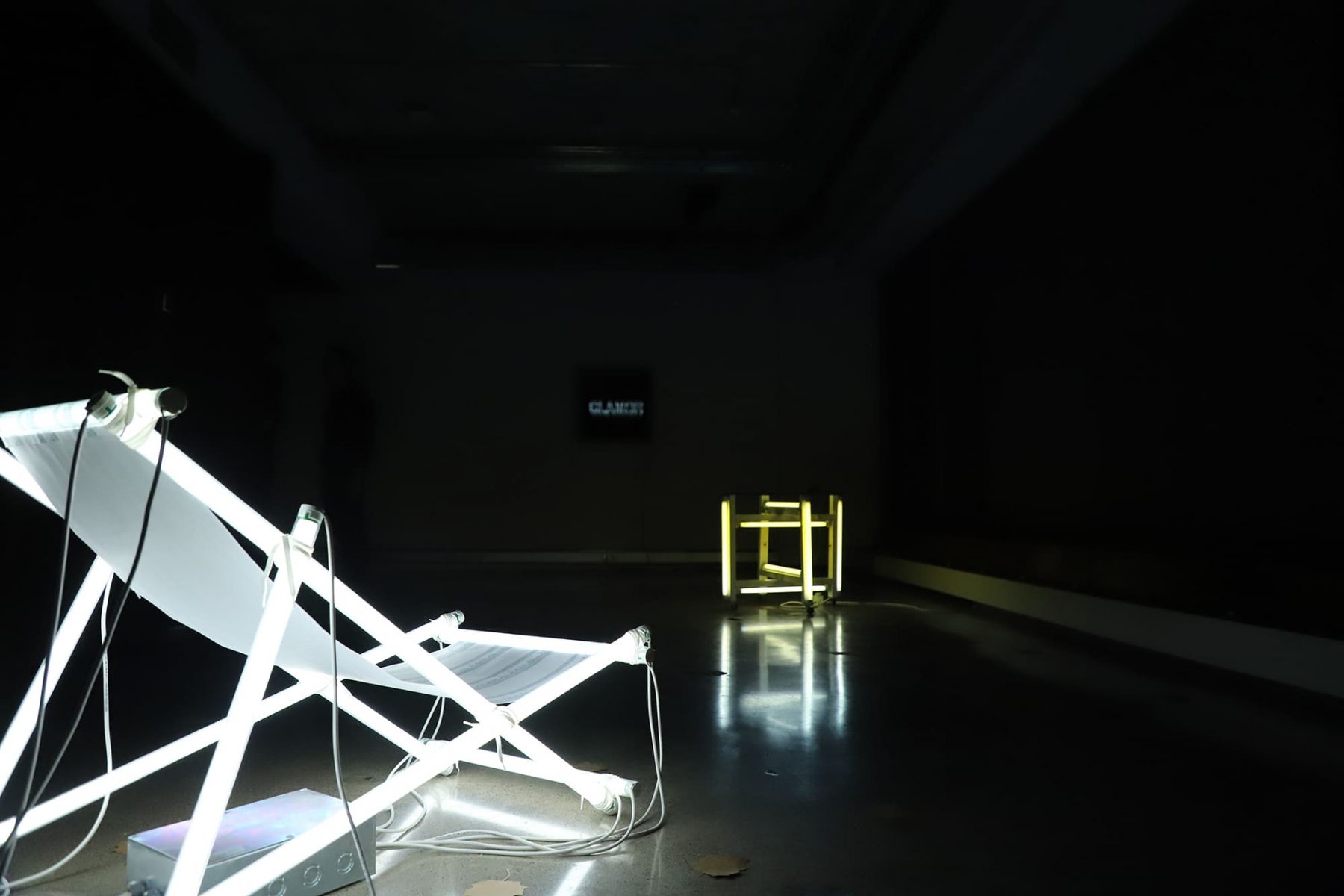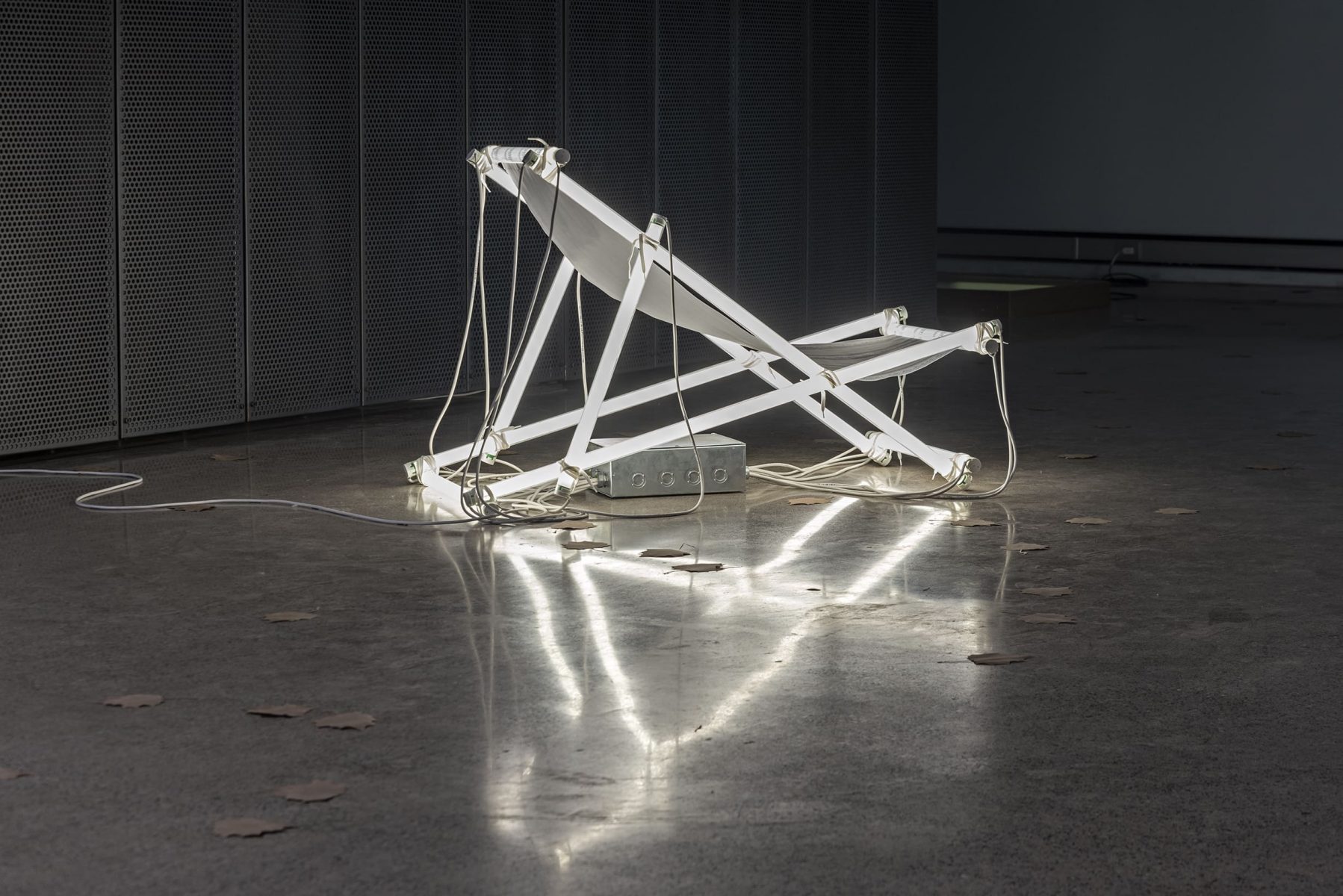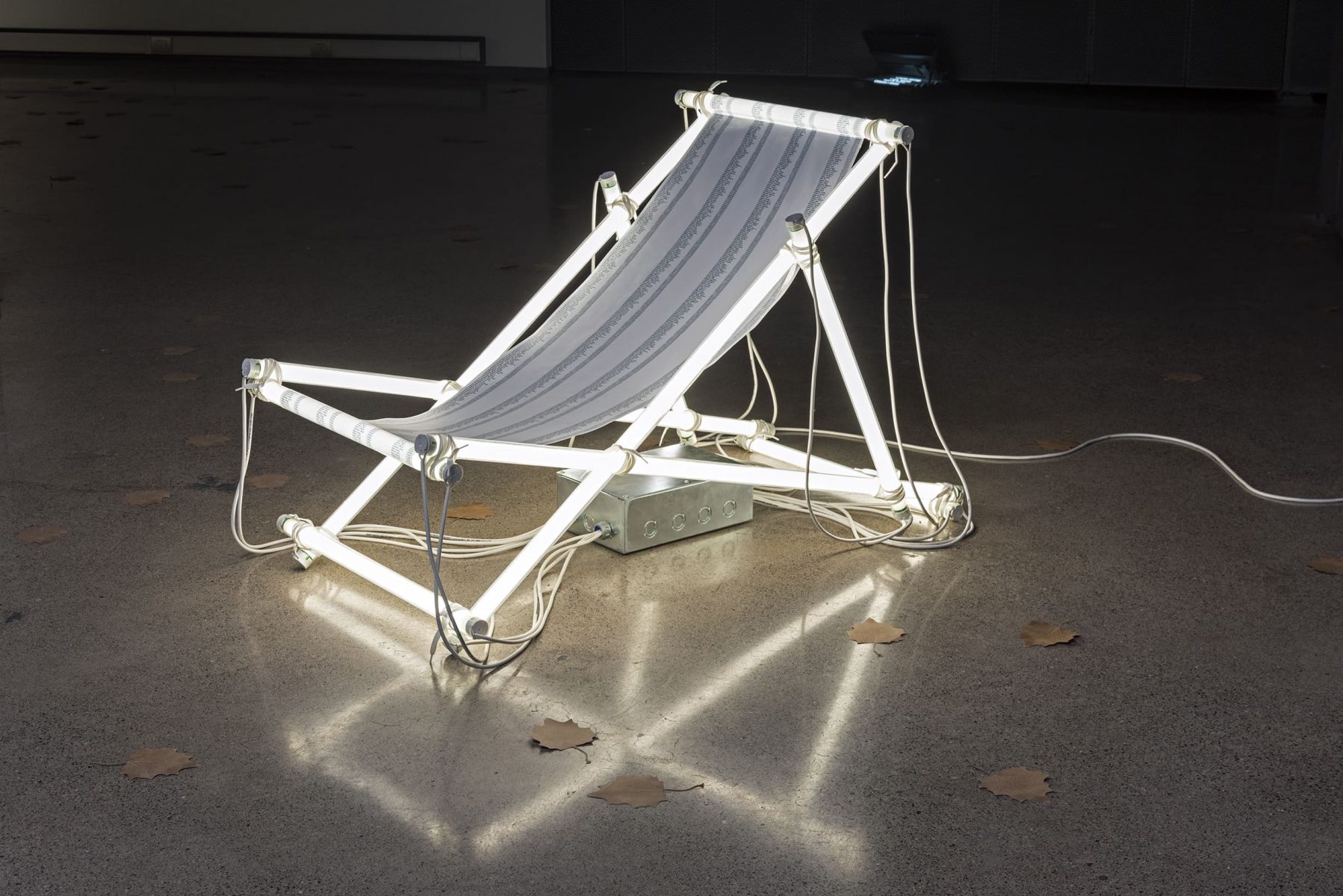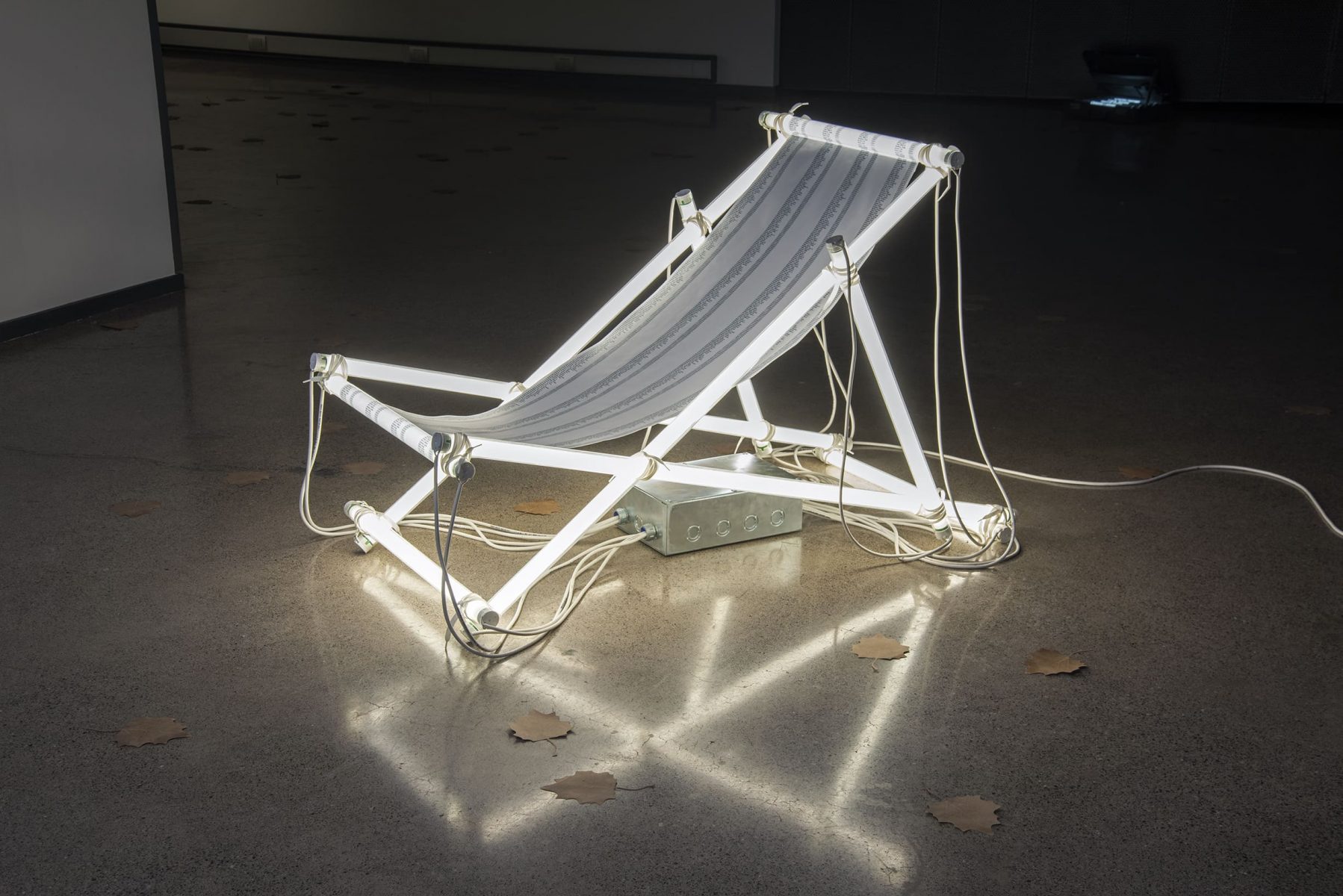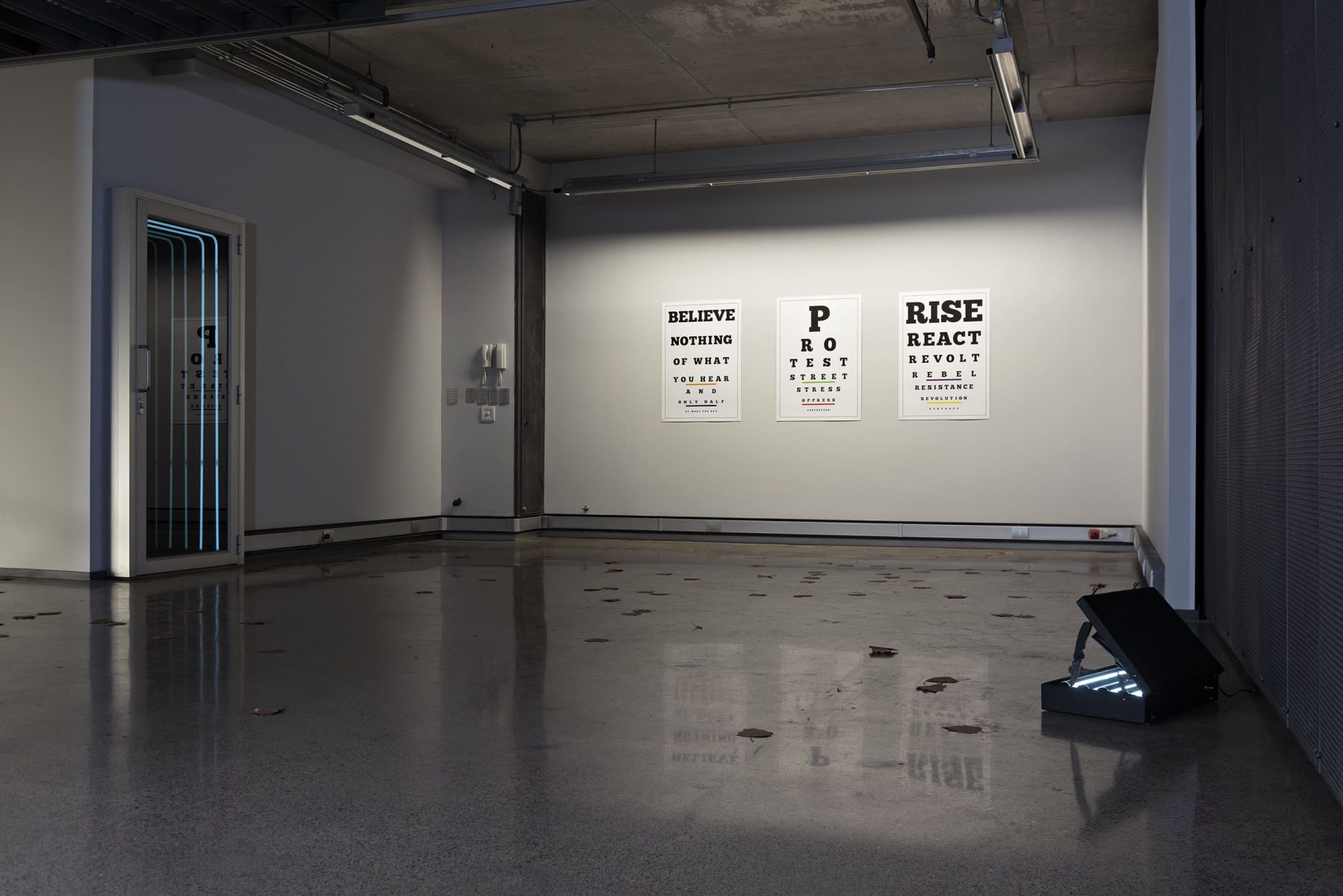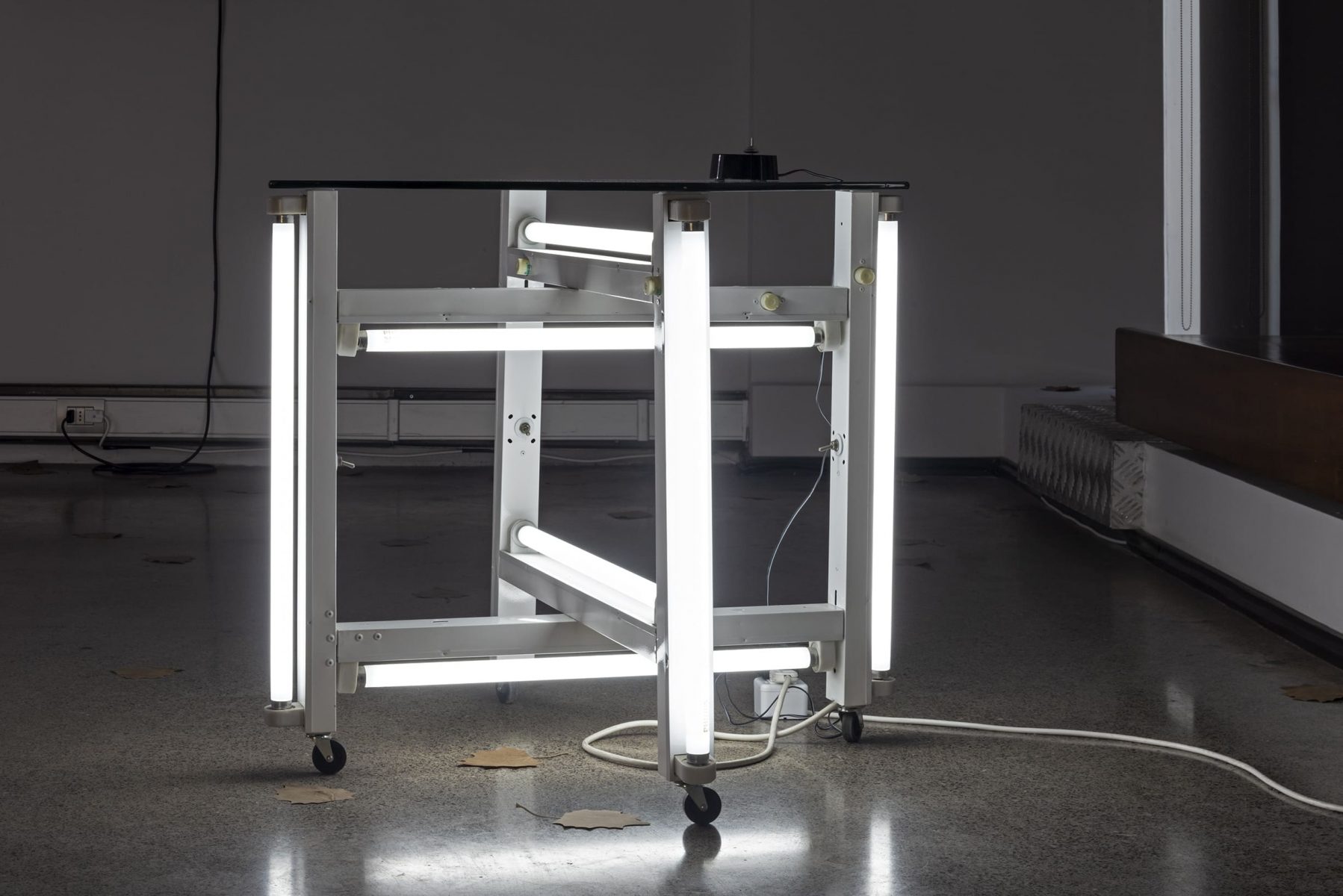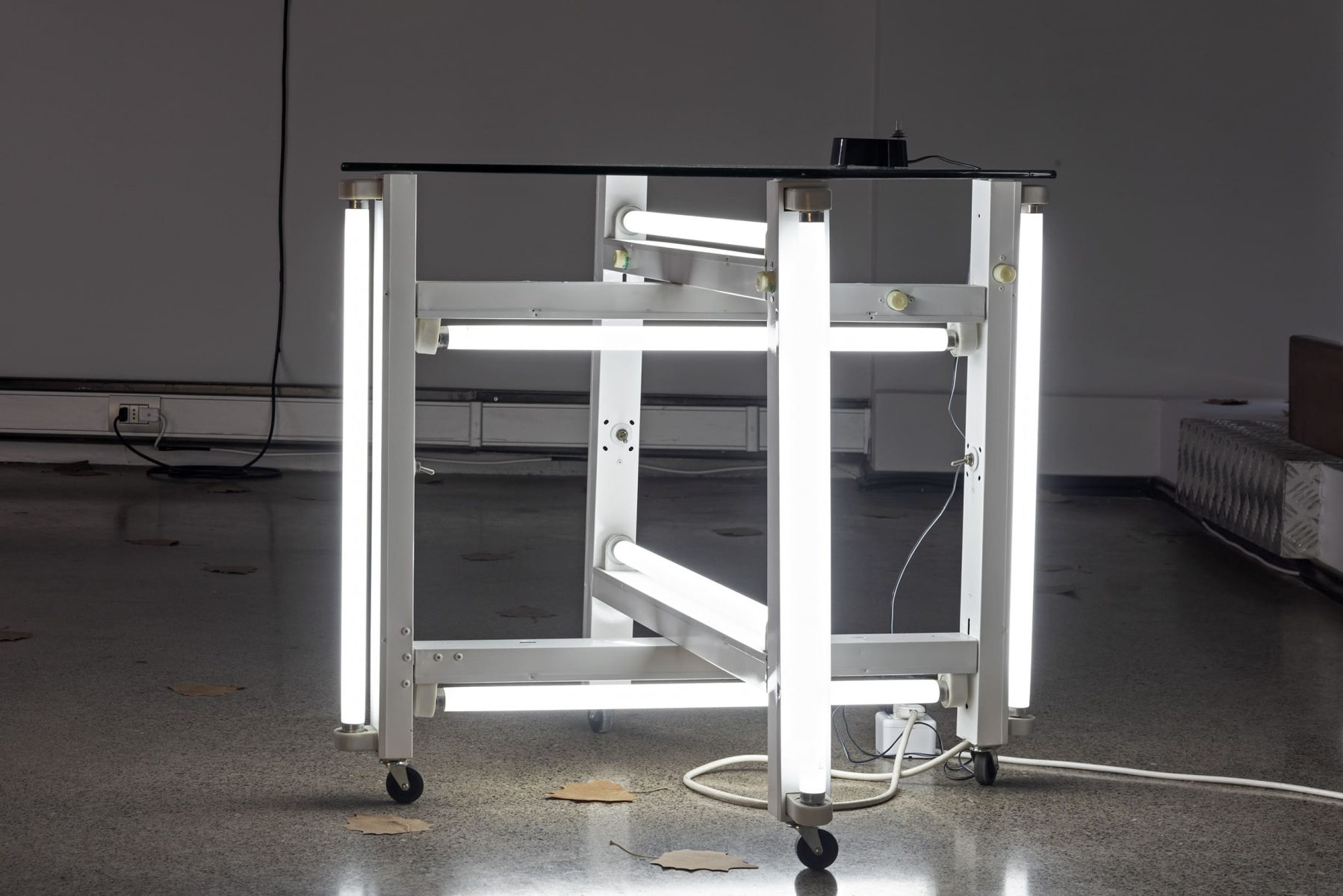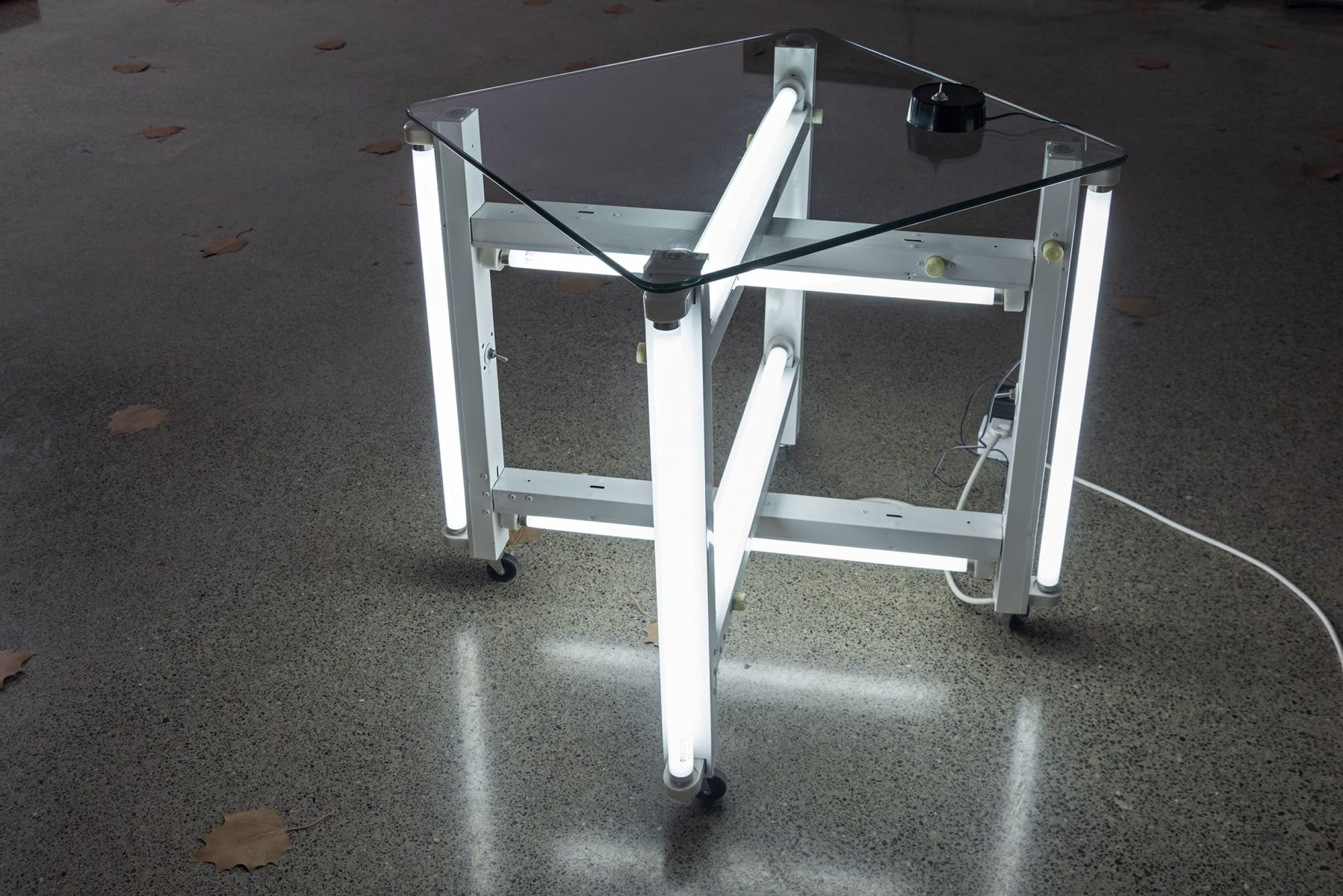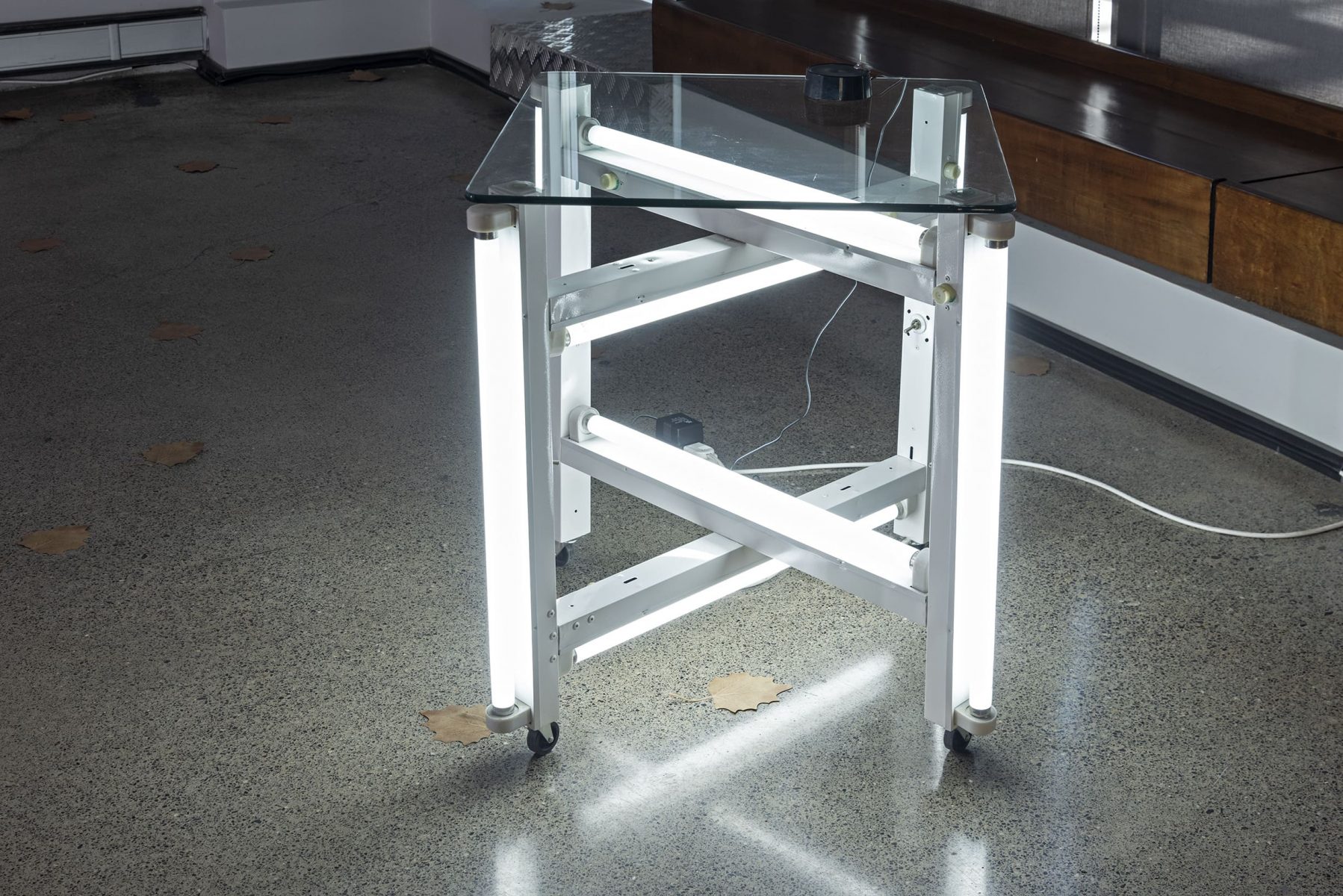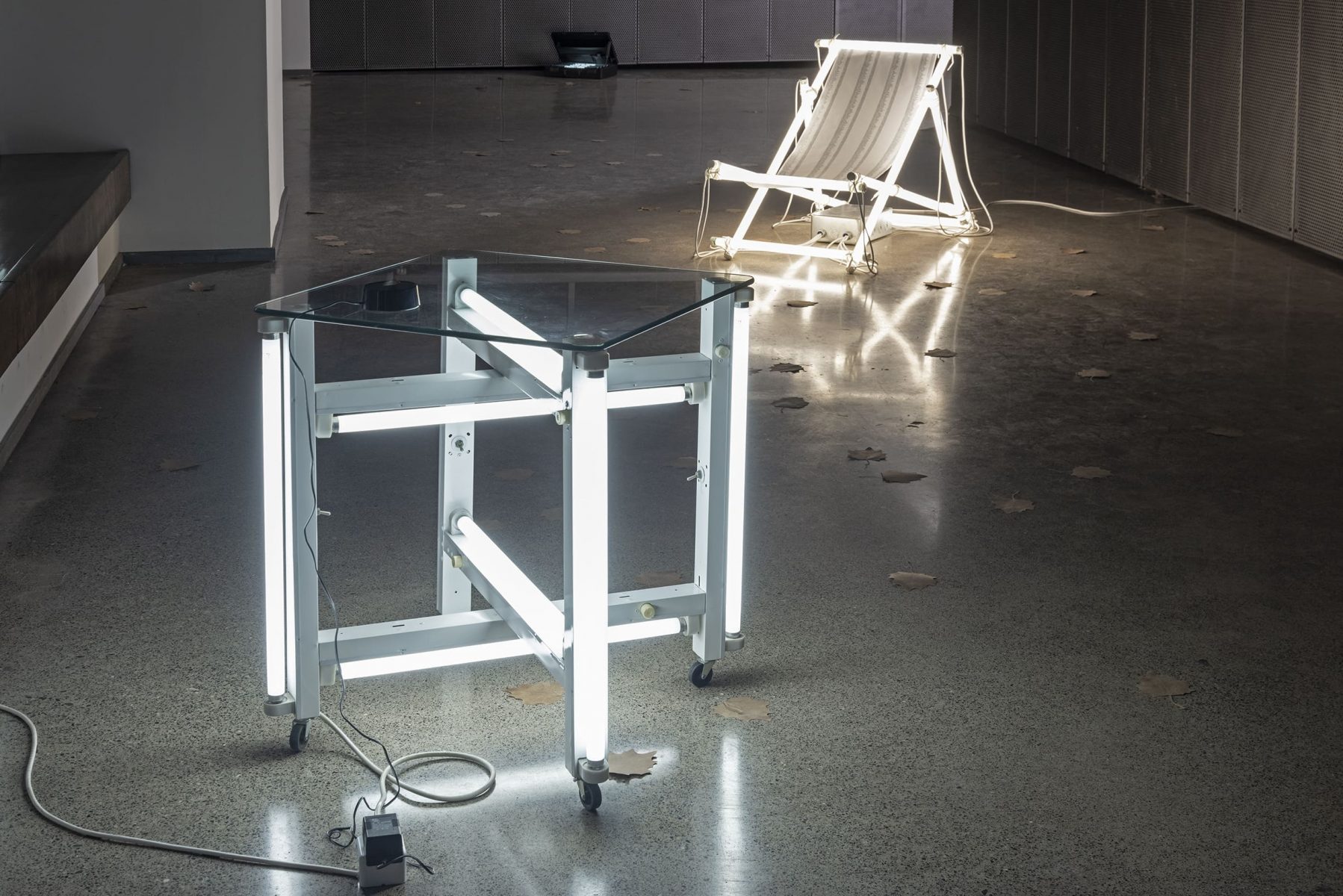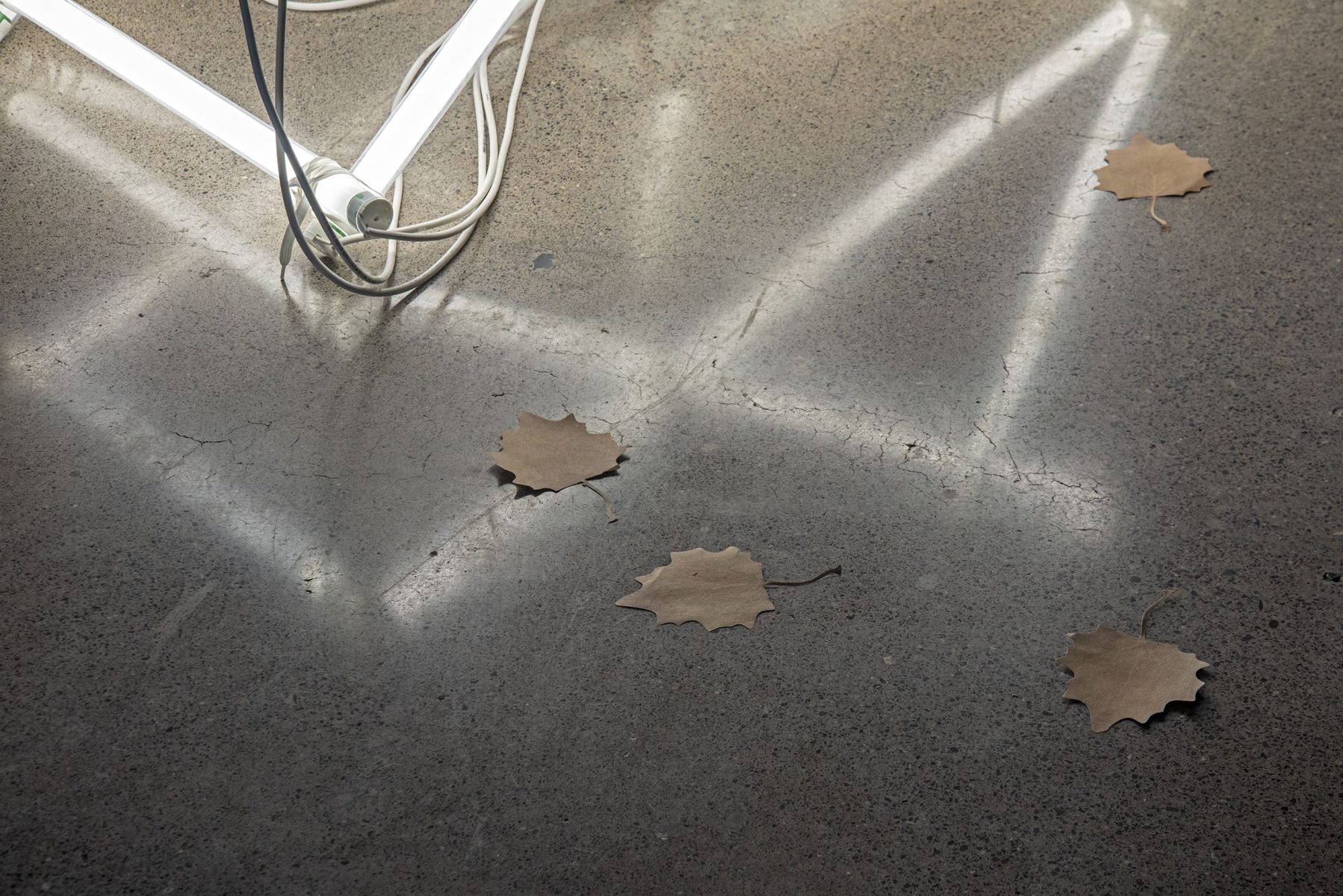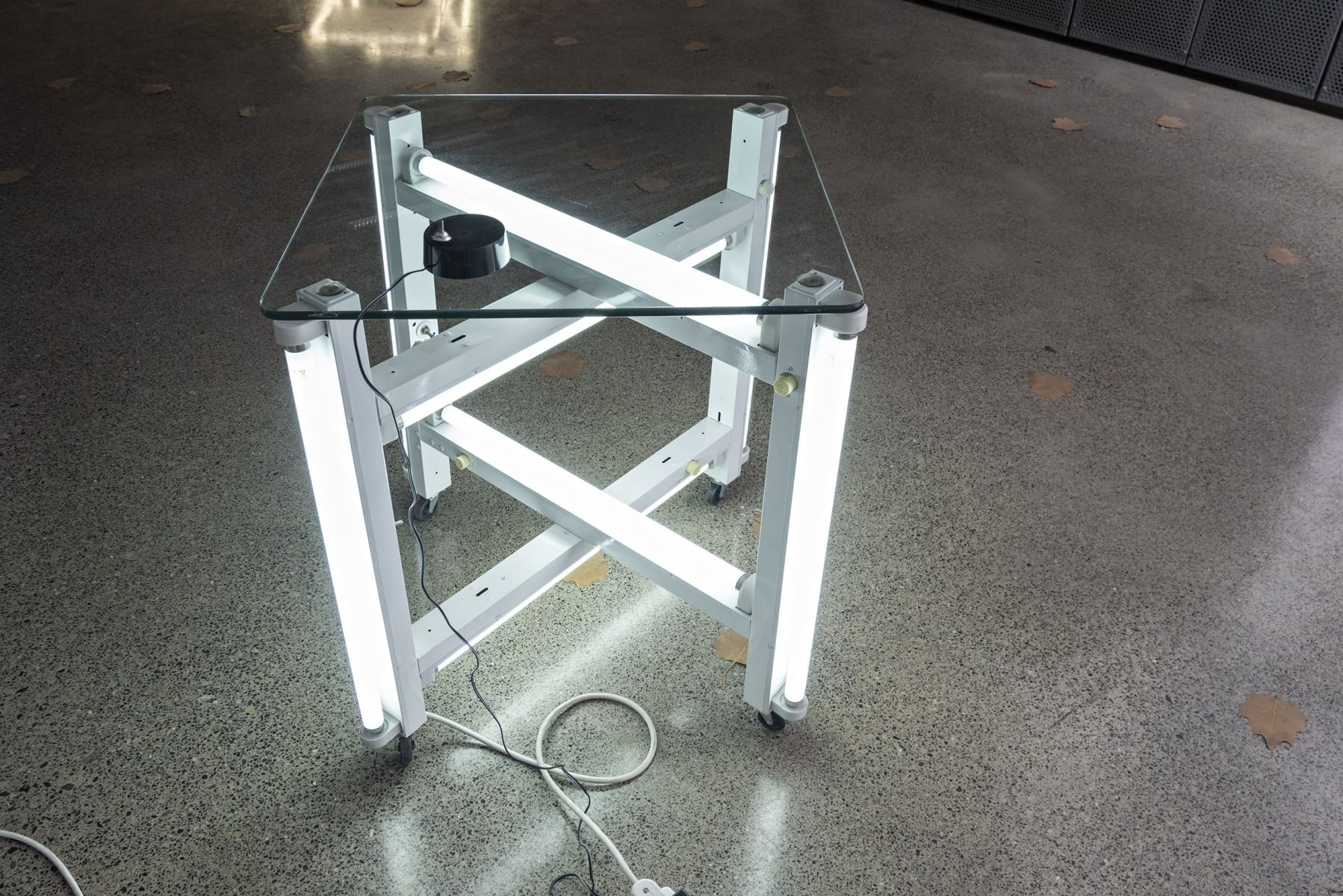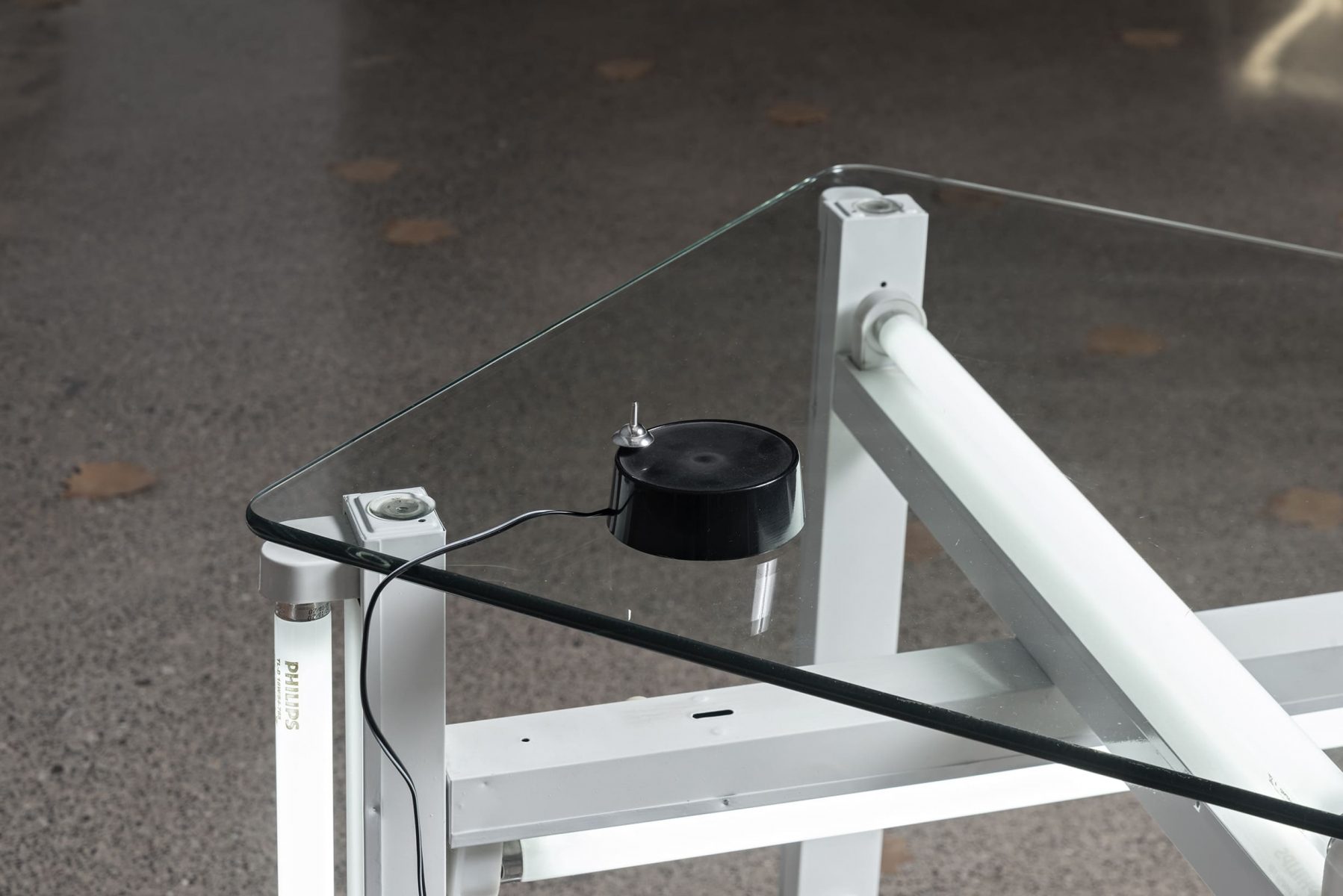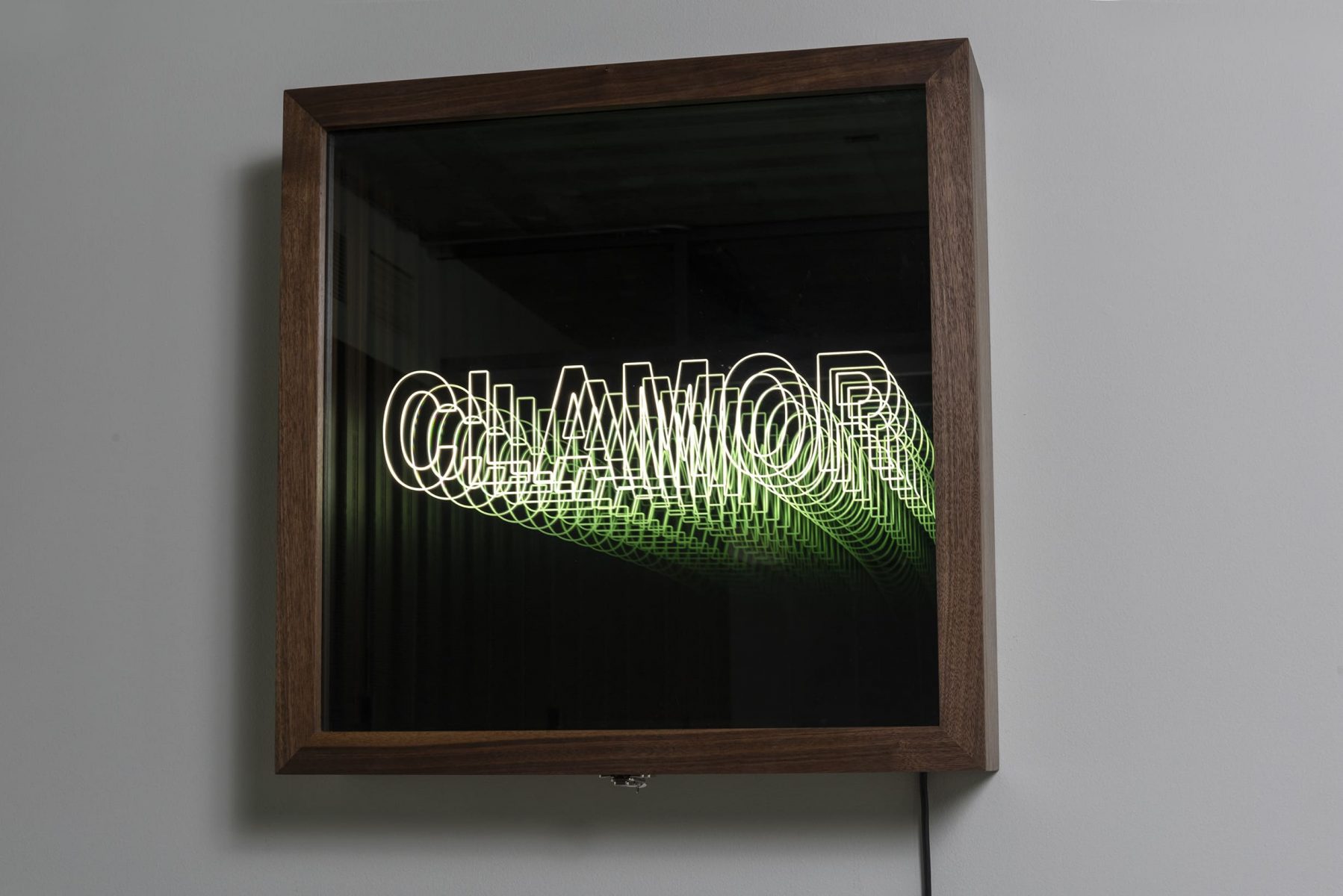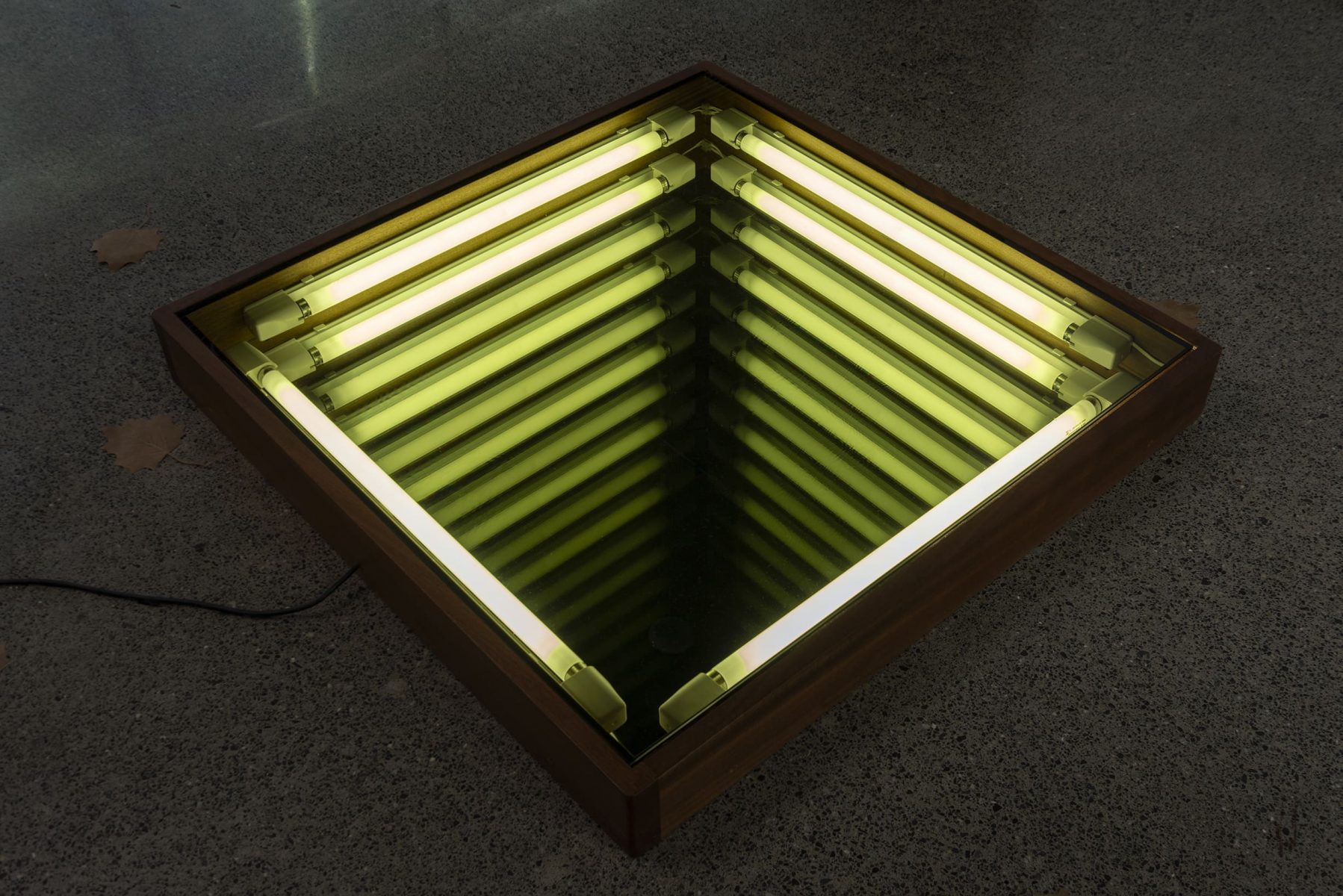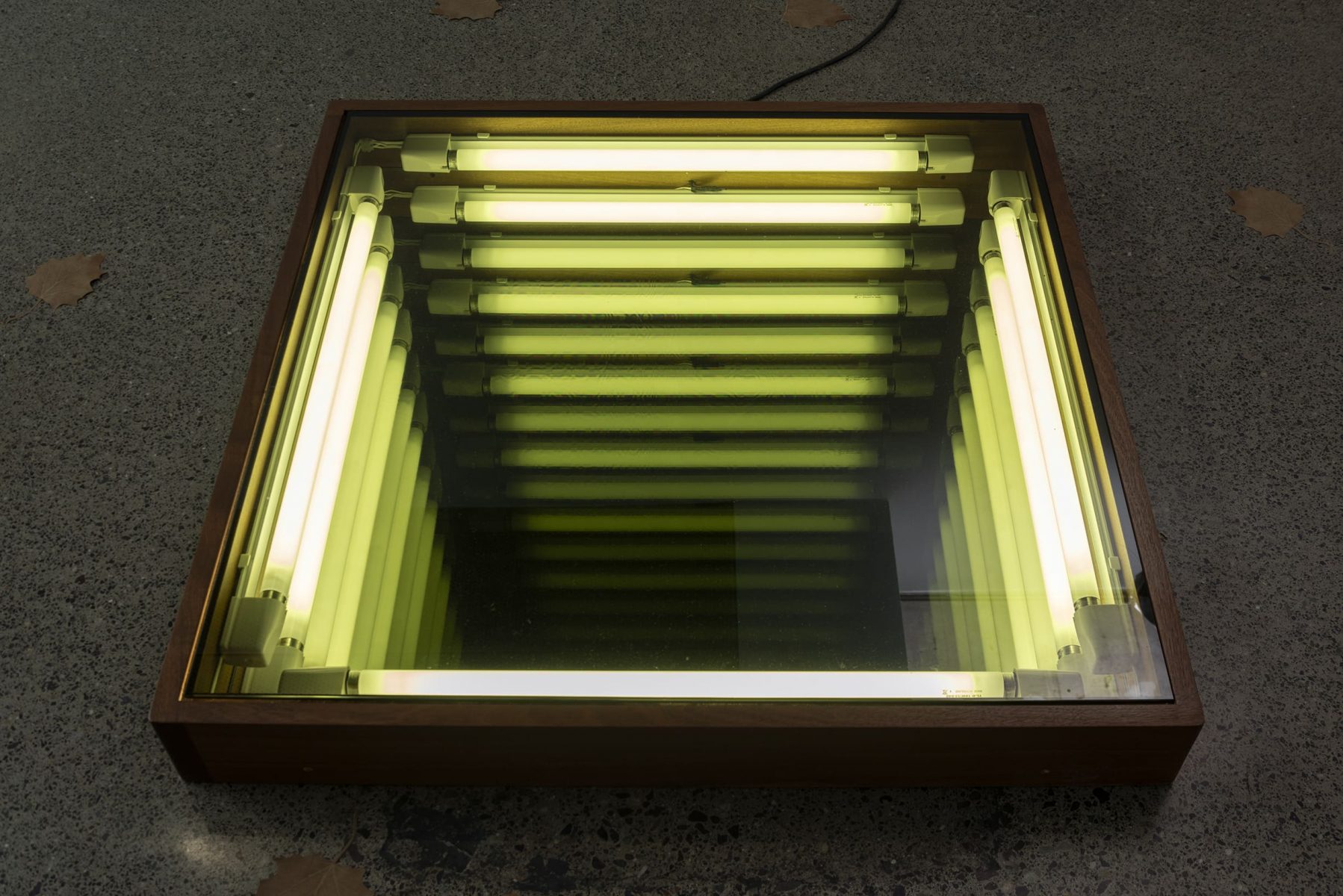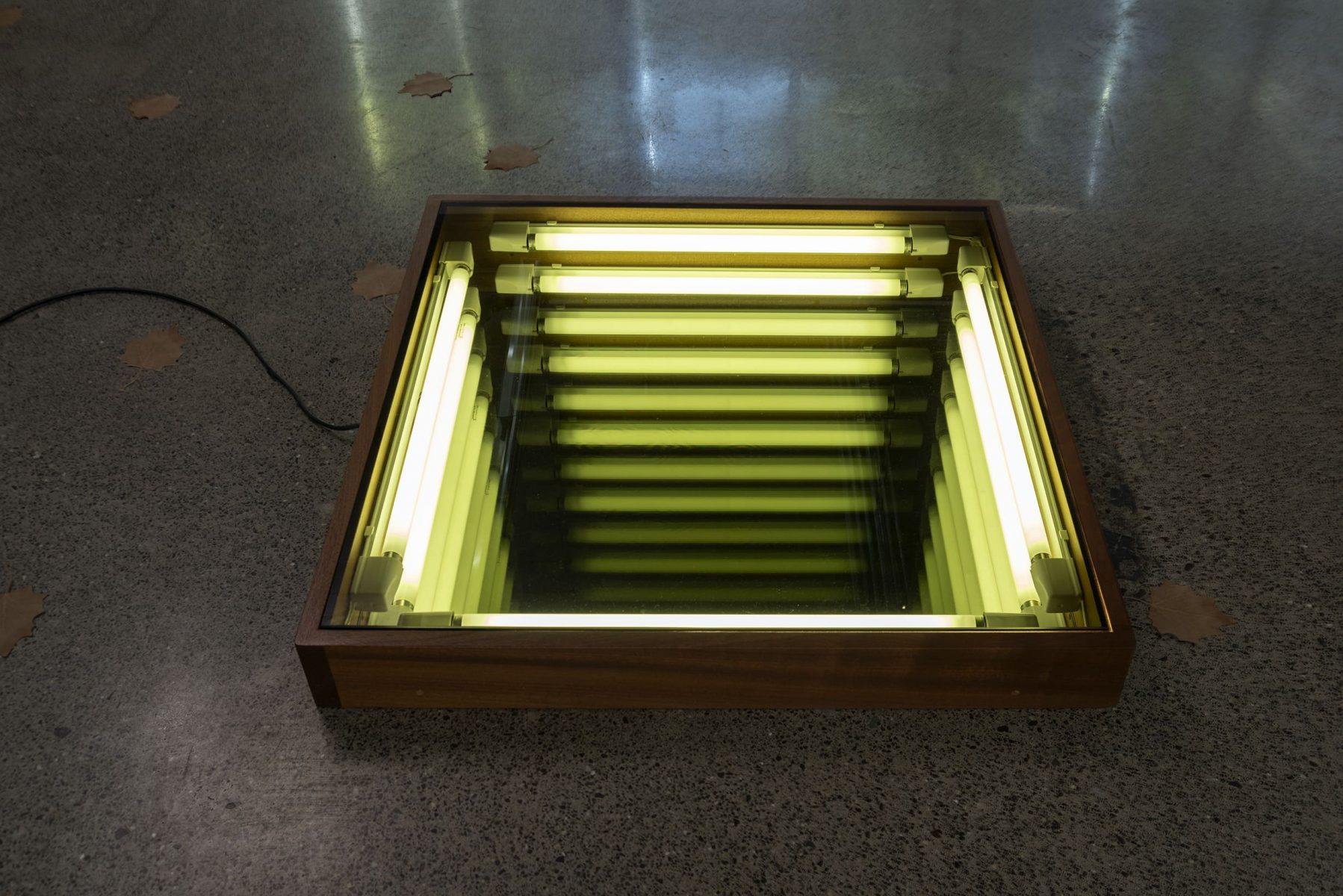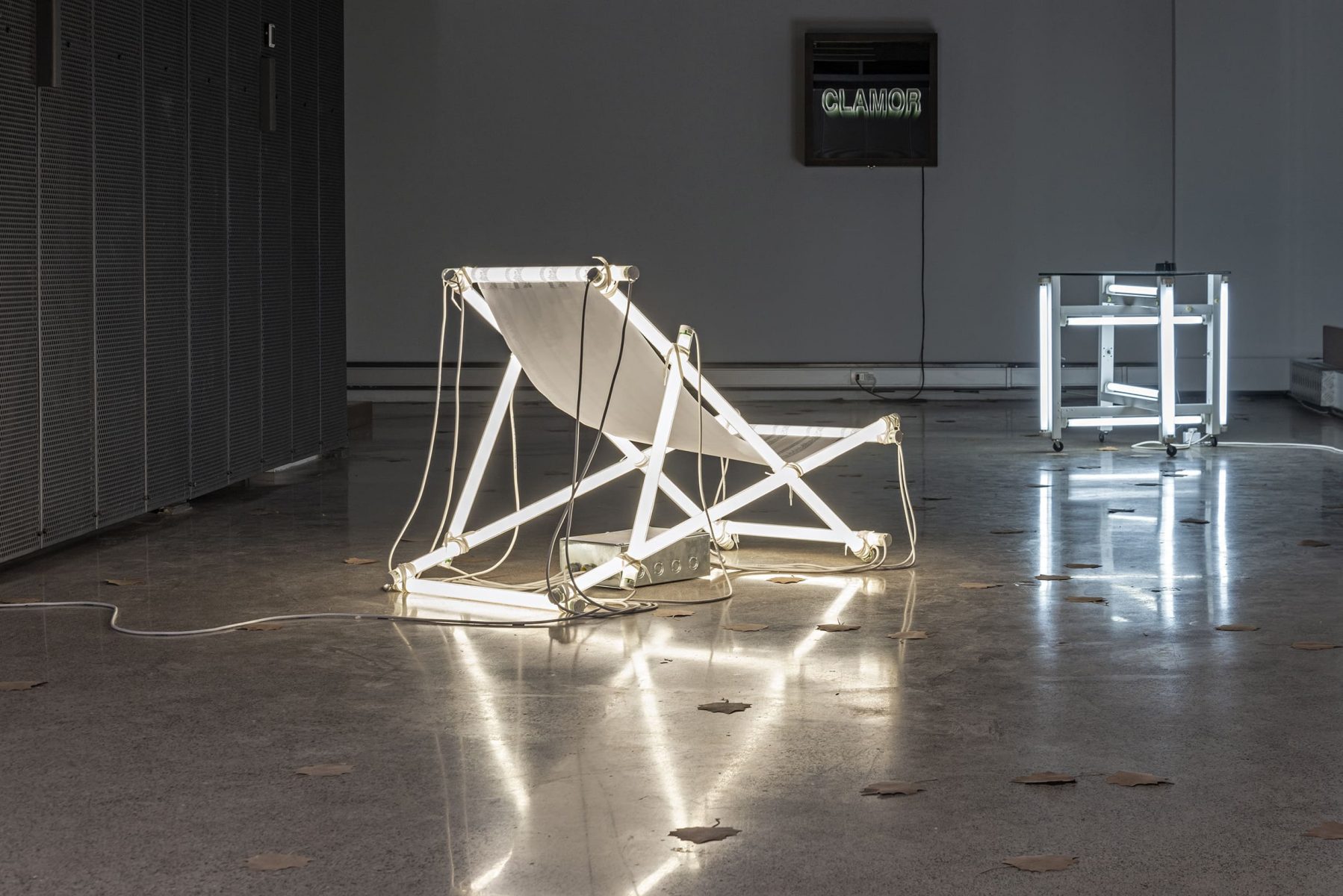
A nocturne, by definition, is a musical composition without a specific form that is usually performed at night when the lack of light sharpens the senses and ignites our thoughts. Visually, a nocturne can be an aesthetic incident, a somber image where lights explode. On this occasion, a room lit only by objects made of light, suspended in the darkness, is a nocturne with doors, chairs, tables, mirrors on the walls, and a well in the background, like a great leap into the void. A famous painter wrote—after witnessing a bombing—that a nocturne is above all an arrangement of line, form, and color. A nocturne is above all a problem I try to solve. A problem—we must add—between light and shadow: shadow puppets, electric shadows, disturbing shadows, when the night became voice, the light became word. Words reverberate and become shadows with neon lights, fluorescent lights, lights that are lines of color, for those who work with light construct shadows.
For Iván Navarro, light is a form in space, a note that can be touched, and a strategic way to capture our attention. Like moths rehearsing their death, we approach a fluorescent tube that is always on—according to a poet—so that drunkards can stay awake in a nightclub, an art gallery, a dark room, or when faced with a problem. So that, unable to see, dazzled, we would have to listen… Please listening: the flickering of the starter, the humming of the neon, the transmission of current, the circulation of energy, and the movement of a metal spinning top in an endless spin. And behind or further behind these initial sounds, other noises rumble—lower but deeper—which are other voices. Among them all, we can distinguish the following emerging from these works: the questions asked in front of a mirror before the interrogation; the clamor of a people before being silenced; the screams of a body on an electric chair before the final agony and the last words spoken aloud—without knowing they were the last—before being murdered. In this succession of sounds, gunshots, explosions, and bombings can also be heard, but even further away, the melody of a song that has not stopped playing can still be heard.
Imagine this exhibition as a musical score where each object is a note, a sound expressed in space, a piece of music that is a dark piece, in a blink of bright eyes and a blink of opaque eyes.