

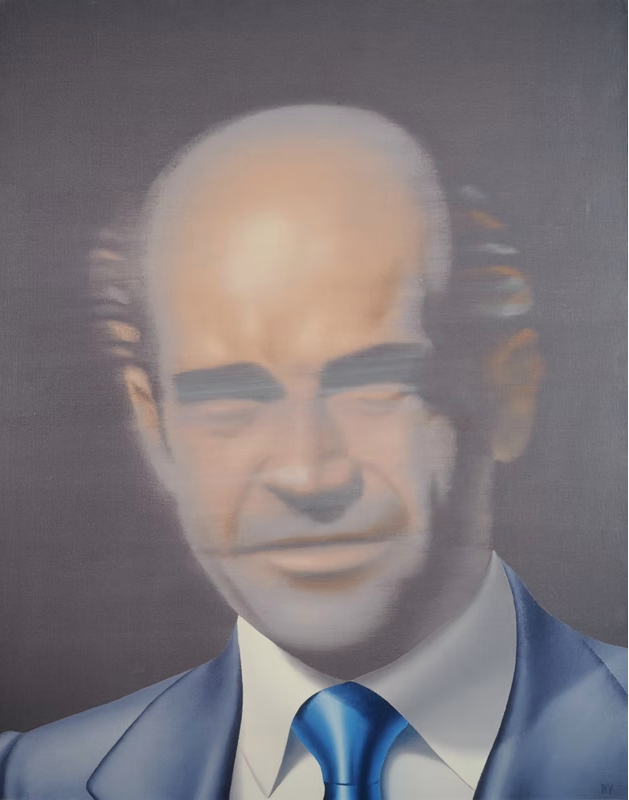
“Todos los retratados condensan, en su pose, la expresión definitiva de un destino no sólo individual, sino colectivo, puesto que pasa por la Historia”1Bru, Roser. 1977. Kafka y nosotros. Santiago de Chile: Galería Cromo. 12.
Nelly Richard
“Su corbata es mi nudo gordiano
Su terno de Falabella es mi telón de fondo”2Lihn, Enrique. 1983. El paseo Ahumada. Santiago de Chile: Ediciones Minga.
Enrique Lihn
Ahumada 254
En las entrañas de una antigua mueblería ubicada en el entrepiso de Ahumada 254 abre sus puertas Galería Cromo. Corría entonces el año 1977 y, como recuerda Carlos Altamirano, en medio de las obras para convertir la calle en paseo peatonal, “se caminaba sobre veredas improvisadas con tablones mientras los oídos eran ametrallados por los taladros que destrozaban el pavimento”3Altamirano, Carlos. 2021. Unas fotografías. Ediciones Universidad Diego Portales. 87.. Dirigida por Nelly Richard, quien llega a Chile apenas siete años antes, la galería inaugura a lo largo de casi un año nada menos que seis exposiciones, en las que participan Carlos Altamirano, Luz Donoso, Pedro Millar, Eduardo Vilches, Roser Bru, Benjamín Lira, Francisco Smythe y Ricardo Yrarrázaval. Es así como grabado, fotografía y pintura confluyen en esta sala donde la contemplación acaba siendo estriada por el incesante fragor de los trabajos que, durante ese año, buscan convertir en paseo peatonal una de las principales arterias de la capital chilena.
En palabras de Nelly Richard, el propósito de Galería Cromo no fue otro que el de “elaborar un circuito de difusión, en torno a las obras de arte, que sustent[ara] la comprensión de ellas”, para “plantear una visión coherente de la expresión plástica nacional, basada en el reconocimiento de las obras de acuerdo a la trascendencia de los fenómenos que determinan, a la amplitud de los recorridos que integran”4Raveau, Nicolás. 2010. “Ficha bibliográfica Galería Cromo 1977”. Archivo. Prospectos de arte. Santiago de Chile: Centro de Documentación de las Artes ÍNDICE. 99.. Por lo cual cada una de estas exposiciones es secundada por un cuidado catálogo donde no solo “se pretende definir el significado de la obra, sino [además] el modo de su lectura”5Raveau, Nicolás. 2010. “Ficha bibliográfica Galería Cromo 1977”. Archivo. Prospectos de arte. Santiago de Chile: Centro de Documentación de las Artes ÍNDICE. 99.. De allí que, según Tomás Peters, en los catálogos de Galería Cromo las reflexiones críticas sobre las exposiciones se articulan a partir de una cadena de pensamiento constituida por “un patrón de colaboración entre los intelectuales y artistas involucrados en estos temas”6Peters, Tomás. 2025. Un devenir oblicuo. Itinerario intelectual de Nelly Richard. Ediciones Metales Pesados. 45.. Se trata, a decir de Richard, de ofrecer al espectador una serie de insumos críticos capaces de asegurar una “apertura de sus sucesivas lecturas”7Raveau, Nicolás. 2010. “Ficha bibliográfica Galería Cromo 1977”. Archivo. Prospectos de arte. Santiago de Chile: Centro de Documentación de las Artes ÍNDICE. 99. en torno a cada una de las obras allí exhibidas. Esto es, de delinear, a grandes rasgos, en qué consisten “las reglas que presiden su funcionamiento” y cuáles son, a su vez, “las relaciones sostenidas por ella frente a lo contextual” para “definir, finalmente, el campo de sus interferencias”8Raveau, Nicolás. 2010. “Ficha bibliográfica Galería Cromo 1977”. Archivo. Prospectos de arte. Santiago de Chile: Centro de Documentación de las Artes ÍNDICE. 99..
Animado, pues, por el cometido que Nelly Richard persiguiera casi cinco décadas atrás como directora de Galería Cromo es que me interesa revisitar, a lo largo de este ensayo, la obra pictórica de Ricardo Yrarrázaval. Estoy pensando, eso sí, no tanto en las obras suyas que integraron en 1977 la exposición Cinco expresiones de la figuración en Chile: Dávila, Lira, Yrarrázaval, Bru, Smythe en Galería Cromo (fig. 1)9Según rememora Ricardo Yrarrázaval, pese a que Juan Dávila iba a ser parte de la exposición, finalmente no alcanzó a enviar sus obras, razón por la cual su figura acabó siendo tachada del catálogo que ya había sido impreso., sino, más ampliamente aun, en su producción pictórica de los setenta y ochenta que, según postulo, reclama ser contemplada al trasluz de la serie de exposiciones que Richard dirige en dicha sala. De ese modo, como ante las ondas expansivas de una piedra al caer al agua, me interesa auscultar el impacto que el paso de Yrarrázaval por Galería Cromo tiene en su obra no tanto para pensar un antes y un después, sino tomando este hito como centro del universo pictórico que el artista desarrolla entre 1973 y 1990: suerte de impensado mandala en torno al cual se vuelven críticamente legibles las múltiples figuras que el pintor ensaya, a tientas, en medio de la lobreguez dictatorial. En las líneas que siguen, por lo tanto, me centro en el trabajo visual al que Yrarrázaval se aboca durante esas dos décadas –conformado, fundamentalmente, por óleos y pasteles– en diálogo con dos de los catálogos que Nelly Richard edita al alero de la galería: me refiero, específicamente, al de Roser Bru (Kafka y nosotros, 1977) y Carlos Altamirano (Santiago de Chile, 1977).
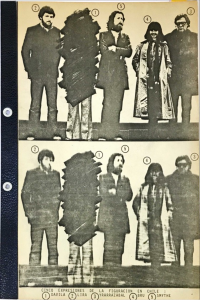
Fig. 1. Catálogo de exposición Cinco expresiones de la figuración en Chile: Dávila, Lira, Yrarrázaval, Bru, Smythe, Galería Cromo, 1977. Archivo Il Posto.
Lo que, en definitiva, persigo a través de este ensayo no es otra cosa que imaginar críticamente las exposiciones y catálogos de estas tres exposiciones de Galería Cromo en los términos de una caja de resonancia y, también, a la manera de un prisma. Estoy pensando, por de pronto, en un espacio de reverberación en el que posteriormente, a la luz de las reflexiones críticas que Nelly Richard y Adriana Valdés escriben sobre la exposición “Kafka y nosotros” de Roser Bru, hallan eco las exploraciones artísticas en torno al retrato pictórico a las que Yrarrázaval se entrega a partir de 1973. Aunque, al mismo tiempo, se me ocurre que la galería también funcionó para el artista como un prisma capaz de redireccionar su obra –hasta entonces centrada en el interior de hogares y oficinas– hacia la intemperie urbana: como si, a la luz de los devaneos fotográficos de Carlos Altamirano, el propio Yrarrázaval se hubiera visto irresistiblemente seducido a mirar aquellos cuerpos fugaces que, por esos años, corrían a toda prisa por la ciudad.
Rostros reclusos: (contra)caras para un retrato citadino
Santiago de Chile. Septiembre de 1973. A pocos días del Golpe de Estado, numerosos son los familiares de los presos políticos que, ante la incertidumbre de su paradero, se arremolinan en las inmediaciones del Estadio Nacional. Llevando consigo fotos tamaño carné o incluso viejas postales hurtadas de sus álbumes familiares, quienes han llegado hasta allí intentan recabar cualquier información que les permita dar con su paradero o, cuando menos, obtener alguna noticia suya. Es que, enarbolada a modo de urgente pesquisa y, luego, como medio de furiosa protesta, fue a través de la iteración ciudadana que –según postula Ángeles Donoso Macaya– esta práctica “hizo visible [durante los años de la dictadura] el crimen de la desaparición forzada en el espacio público”, a la vez que “posibilitó la conformación de un contraarchivo de la represión”10Donoso Macaya, Ángeles. 2021. La insubordinación de la fotografía. Santiago de Chile: Metales Pesados. 27..
Una ciudad poblada de espectros es la que, a partir de entonces, penosamente habita Ricardo Yrarrázaval, toda vez que, en las calles del país, las muchedumbres –que durante los tres años de la Unidad Popular salieron orgullosamente a marchar por la Alameda– apenas se dejan pesquisar en el remedo borroso de las fotografías que sus familiares enarbolan como último y desesperado recurso ante su incierta desaparición. Y digo borroso no solo porque, como recuerda Donoso Macaya, la precariedad material de dichas imágenes hurtadas de la intimidad doméstica llega a ser tal que, desde 1976, la Vicaría de la Solidaridad deberá ampliar y hasta reconstruir en más de alguna ocasión el rostro de las personas desaparecidas para poder archivar las denuncias entre sus causas11Donoso Macaya, Ángeles. 2021. La insubordinación de la fotografía. Santiago de Chile: Metales Pesados. 103.; sino porque, además, estas efigies apenas son la indicial huella acusatoria de todos aquellos cuerpos que, a vista y paciencia de toda la ciudadanía, los militares hacen desaparecer.
A la luz de este panorama urbano, quisiera argüir que el impulso figurativo que atraviesa la producción setentera de Yrarrázaval guarda una estrecha relación con los incontables retratos fotográficos que, tras ese 11 de septiembre, pululan por las calles del país. Y es que, en ese incansable afán por contornear rostros humanos, pareciera delinearse el horroroso revés de un retrato nacional hasta entonces inimaginable: suerte de ominosa contracara donde la violencia política cobra cuerpo no ya en la ausente mirada de los desaparecidos, sino en las deformes muecas de quienes, oblicuamente, han maquinado su secuestro. Porque si, desde un punto de vista formal, el género pictórico escogido por Yrarrázaval halla eco en la insubordinación del mentado archivo fotográfico, las siluetas que pueblan su obra parecieran abiertamente parodiarlo, en tanto no dan cuerpo a ninguna víctima, sino, por el contrario, a los perpetradores de su desaparición. Como, de hecho, lo evidencia, con suma ironía, Retrato de un conocido (1978) (fig. 2), óleo sobre tela cuyo título acusa, léxicamente, el diálogo paródico establecido al retratar, precisamente, a uno de aquellos privilegiados individuos que, tras el Golpe, se deleitan ante su desaparición.
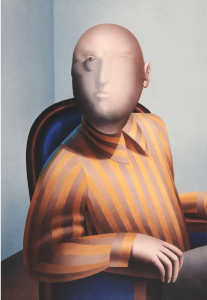
Fig. 2. Ricardo Yrarrázaval, Retrato de un conocido, 1978
Me refiero, en palabras del propio artista, a aquellos “personajes encorbatados” que él mismo asocia “con los dominadores de siempre”, toda vez que “la dictadura militar marcó el regreso de esos señores empaquetados”12“Conversación con José Zalaquett”. Ricardo Yrarrázaval: 1952-2014. Santiago de Chile: Foramen Acus. 28.. Pero ¿por qué el regreso y no simplemente la llegada? Porque, entre 1973 y 1990, la dictadura cívico-militar chilena es vivida por Yrarrázaval menos como un radical viraje sociopolítico que como un traumático retorno al conservadurismo familiar que marcó su infancia: ese rígido mundo doméstico gobernado por un padre que trabajaba en la Bolsa de Santiago y que, según él mismo recuerda, lo obligaba a usar corbata los domingos al almuerzo13Entrevista personal con Ricardo Yrarrázaval. 18 de diciembre de 2025.. De allí que, en una entrevista conferida a Verónica Waissbluth, el artista insista en advertir que “la vuelta de estos señores de corbata” constituye un verdadero retrotraimiento al “mundo en que nac[ió]”14Waissbluth, Verónica. 2012. Grandes artistas Contemporáneos Chilenos. Ricardo Yrarrázaval. Santiago de Chile: Galería Cecilia Palma. 42..
De sumo interés resultan, asimismo, Con el crédito en la boca (fig. 3) y De cuello y corbata (fig. 4), dos pasteles suyos de 1976. Al igual que en Retrato de un conocido, el rostro de los retratados se difumina al punto de que, en cada caso, uno de sus ojos desaparece, volviéndolos irreconocibles tras un equívoco velo fantasmal. Porque, en flagrante contraste con las coloridas rayas de la corbata y las camisas que aprisionan sus cuerpos, la desafiante mirada de estos señores –que, impertérrita, pareciera desafiar a sus espectadores– se difumina al calor de aquella grotesca mueca que las vuelve deformes. Como en una suerte de sfumato perverso en que el efecto buscado, no obstante, es todo lo contrario al de la pintura renacentista de Leonardo, toda vez que los espectrales contornos a los que Yrarrázaval da vida parecieran insuflar a los empresarios retratados un aire que los aleja de la realidad. La de sus caras es entonces una silueta que, insisto, se torna doblemente difusa al contrastar con los voluminosos atuendos que sus cuerpos exhiben como la innegable marca de un privilegio de clase, donde los colores contrastan con la precariedad cromática de aquellas fúnebres fotografías en blanco y negro desperdigadas por la ciudad. Porque la gran ironía de los retratos que este artista produce a partir del 73 consiste en retomar el género burgués por antonomasia (me refiero al del retrato pictórico), pero repensado al difuso trasluz del retrato fotográfico, ese que, a los pocos días del Golpe, carga en todo Chile con un cariz fantasmal al ofrecerse como el único indicio visible de los detenidos políticos que, siguiendo la política del régimen, se hacen desaparecer.
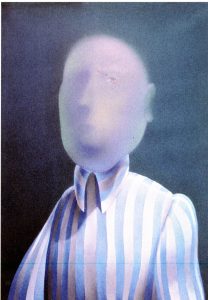
Fig. 3. Fig. 3. Ricardo Yrarrázaval, Con el crédito en la boca, 1976
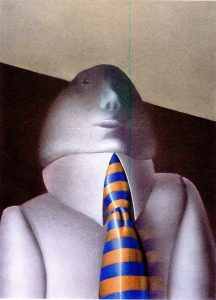
Fig. 4. Ricardo Yrarrázaval, De cuello y corbata, 1976
En la producción visual de Ricardo Yrarrázaval, por tanto, el terrorismo de Estado cobra cuerpo no a través de sus víctimas, sino a través de sus perpetradores. O, más bien, en la efigie impoluta de esa casta empresarial que, en aras del neoliberalismo, es cómplice de aquella política de exterminio que, entre 1973 y 1990, cobra la vida de más de tres mil personas en todo Chile15Sitio web Museo de la Memoria y los Derechos Humanos.. Ante su atónita mirada, la impávida élite a la que, por parentesco, el artista pertenece, funge en sus retratos setenteros como metonimia de aquellos agentes dictatoriales encargados de reprimir, torturar y aniquilar. O, acaso, más preciso resulte pensar los retratos de estos encorbatados señores como la contracara o el negativo de aquel archivo fotográfico de detenidos desaparecidos. En tanto la espectral silueta de los retratados ya anuncia, en su espectralidad, la acumulación de aquellos despojos humanos que son, en definitiva, los que sustentan y aseguran su triunfo político y económico. La deformidad de sus rostros, entonces, se devela menos como pérdida de identidad que como indicio material de aquella violencia política que, pese a ser celebrada con indolencia, la élite se esmera por esconder bajo la alfombra. De allí que estos tres hombres de negocios aparezcan representados con un solo ojo, como si el guiño a través del cual devienen tuertos no fuera sino la materialización de su monstruosa complicidad. Aquella que los lleva aderezar sus almidonadas camisas con elegantes corbatas: seña textil de una fortuna que, desde sus relucientes burós, ha sido amasada a punta de balas a lo largo de todo el país.
Quisiera advertir, al respecto, que todo el potencial político de los retratos en los que Ricardo Yrarrázaval se afana tras el Golpe puede ser retrospectivamente examinado al alero de las reflexiones incluidas en Kafka y nosotros (1977), el catálogo de la segunda exposición de Galería Cromo dedicada a la obra de Roser Bru (fig. 5). Me refiero, concretamente, a los preclaros ensayos de Adriana Valdés (“Los ojos de los enterrados”) y Nelly Richard (“El trabajo de la memoria en la pintura de Roser Bru; en su ejercicio y representación”), en los que las críticas observan cómo, en la obra que la artista catalana expone en Cromo a inicios de 1977, el género del retrato –pictórico y fotográfico– le permite revisitar oblicuamente las políticas de exterminación humana orquestadas durante el Holocausto (1941-1945). Quiero decir que, leídas a la luz de estas señeras reflexiones, la producción visual en la que Yrarrázaval se afana durante los primeros cinco años de la dictadura se nos devela cercana a la de Bru en su imperioso desacato por revisitar la Historia –así con mayúsculas– a partir de ciertos rostros.
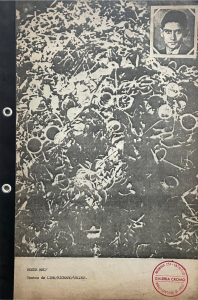
Fig. 5. Catálogo de exposición Kafka y nosotros, Galería Cromo, 1977. Archivo Il Posto.
En su ensayo sobre la pintura de Bru (fig. 6), sin ir más lejos, Nelly Richard destaca ese “modo retrospectivo” mediante el cual la artista “recoge situaciones y destinos, como testigos o como víctimas del suceso de la Historia, del suceso de sus historias rememoradas”16Richard, Nelly. “El trabajo de la memoria en la pintura de Roser Bru; en su ejercicio y representación”. Kafka y nosotros. Santiago de Chile: Galería Cromo, 1977. s/p.. En su caso, eso sí, son los retratos fotográficos del escritor checo Franz Kafka, de su corresponsal Milena Jesenská y de Ana Frank, la famosa diarista judía alemana víctima del régimen nazi, los convocados para transmutarse por obra y magia del pincel. A partir de sus retratos es que Richard advierte cómo todos ellos “condensan, en su pose, la expresión definitiva de un destino no sólo individual, sino colectivo, puesto que pasa por la Historia”: un destino cuya “fatalidad […] está absorta en sus ojos, en la dirección primera de sus ojos fotografiados, frente a la cámara, en la dirección segunda de sus ojos ahora pintados, frente a nuestros ojos de espectadores de la pintura de Roser Bru”17Richard, Nelly. “El trabajo de la memoria en la pintura de Roser Bru; en su ejercicio y representación”. Kafka y nosotros. Santiago de Chile: Galería Cromo, 1977. s/p.. A esta misma mirada también se refiere Adriana Valdés en “Los ojos de los enterrados” (fig. 7), cuando advierte que los ojos de los retratados –cuyas “miradas dispersas por el tiempo” confluyen, a la vez, en “un tiempo atravesado por esas miradas”– crean el lugar del espectador: ese “incómodo lugar de alguien que es observado –fijamente– por los muertos”18Valdés, Adriana. “Los ojos de los enterrados”. Kafka y nosotros. Santiago de Chile: Galería Cromo, 1977. s/p..
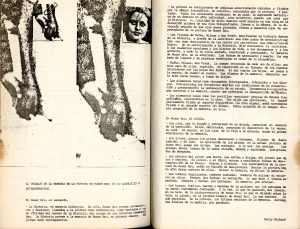
Fig. 6. Ensayo de Nelly Richard publicado en Catálogo de exposición Kafka y nosotros, Galería Cromo, 1977. Archivo Il Posto.
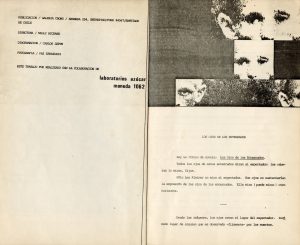
Fig. 7. Ensayo de Adriana Valdés publicado en Catálogo de exposición Kafka y nosotros, Galería Cromo, 1977. Archivo Il Posto.
Un nuevo espesor cobra, de este modo, el macabro guiño que desfigura a los señores pintados por Yrarrázaval. Una mueca que, como he indicado, los dota de un aura grotesca al afantasmar unos rostros cuyos bordes el artista se ha propuesto difuminar. Al igual que las pinturas de Bru, donde, a decir de Adriana Valdés, “los rostros que miran se parecen entre sí”19 Valdés, Adriana. “Los ojos de los enterrados”. Kafka y nosotros. Santiago de Chile: Galería Cromo, 1977. s/p., las efigies de estos empresarios se confunden entre sí al aunarse en un siniestro aire de familia. Pero también, como anota Valdés a propósito de Bru, todos estos retratados “se parecen en la muerte, se van haciendo progresivamente transparentes delante de la muerte que llevan dentro”, pues “es la muerte quien va borrándolos: a través de ellos, es la muerte quien mira”20Valdés, Adriana. “Los ojos de los enterrados”. Kafka y nosotros. Santiago de Chile: Galería Cromo, 1977. s/p.. Una muerte doblemente difuminada, en la medida que estos espectrales sujetos son, en la obra de Yrarrázaval, la orgullosa contracara visible de todos esos cadáveres desaparecidos por la dictadura cívico-militar. Al erguirse orgullosamente frente al espectador, su desdén se deja interpretar menos como indiferencia que como jactancia, en tanto la pulcritud de sus atuendos devela el privilegio social que asegura su estatus económico y político. Pues bien saben todos estos encamisados –que imaginariamente posan, de punta en blanco– que sus deformes perfiles encubren una deformidad aún mayor: la de ese país desfigurado en el que los ciudadanos desaparecidos no tienen más rostro que el de las fotografías que, movidos por una insondable desesperación, sus familiares comienzan a recolectar.
Ahora bien, si su rostro es el rostro de la muerte, el pincel que los retrata es indudablemente el del olvido. Pero el de un olvido que contrasta diametralmente con el que Bru inviste a sus retratos de Franz, Milena y Ana. Porque si, en palabras de Nelly Richard, “los instrumentos de la pintura de Roser Bru, están en función de des-pintura”, a través de una operación caracterizada por “borrar la pintura, hasta sólo dejar rastros de ella”, de un proceso en que “el pincel, o el lápiz, entran a manifestar formas de descomposición de la imagen”21Richard, Nelly. “El trabajo de la memoria en la pintura de Roser Bru; en su ejercicio y representación”. Kafka y nosotros. Santiago de Chile: Galería Cromo, 1977. s/p., en los retratos de Yrarrázaval solamente los rostros –seña de identidad– se difuminan, no así la camisa y la corbata –seña de clase– que, de hecho, cobran relieve en su voluminosa y nítida materialidad. Como si se quisiera indicar que cada uno de estos señores no es más que un sofisticado engranaje necesario en la articulación del cruento aparataje represivo. O acaso para recordarnos que, en el seno del jet set chileno, las credenciales familiares –apellido y nombre– se heredan al modo de un título nobiliario, asegurando entre ellos una ciudadanía de primera clase que Yrarrázaval pareciera condenar. O incluso para acusar que, en su codicia bursátil, las identidades de estos exitosos varones se diluyen, monstruosamente, al conteo de pesos y dólares, mediante transacciones financieras donde lo único que importa es, a fin de cuentas, la cifra ganancial. Pues recordamos que ninguno de estos personajes tiene nombre: no porque la tortura, como en el caso de los detenidos desaparecidos, haga difícil, cuando no imposible, su reconocimiento identitario, sino porque, aterrado ante esa realidad que lo rodea, el pintor –quien también ha desfigurado su propio apellido22Según testimonia el propio artista, fue él mismo quien a la hora de firmar su obra decidió cambiar la letra inicial de su primer apellido, trocando la I por Y: un gesto que no solo le permite tomar distancia simbólica de la figura paterna, sino, además, de aquel origen patricio que en Chile ostenta el apellido Irarrázaval. Recuérdese, sin ir más lejos, que entre los más importantes mayorazgos fundados en Chile durante la Colonia, el de Irarrázaval destacó por su riqueza, estando presente incluso hasta el día de hoy en la elite dirigente nacional (véase “La aristocracia chilena del siglo XVIII” en el sitio web Memoria Chilena)– se niega tajantemente a identificar a cada uno de estos señores, que se le aparecen como las diversas aristas de una misma pléyade cómplice.
Algunos años más tarde, incluso, Yrarrázaval retoma los títulos de sus pasteles de 1977 para nombrar, esta vez, dos nuevas obras: Con el crédito en la boca (1978) (fig. 8) y De cuello y corbata (1979) (fig. 9), óleos sobre tela en que retrata, una vez más, a dos encorbatados. Monstruosamente difuminado el primero, grotescamente distorsionado el segundo, pero ambos presos de sus sedosas corbatas, estos nuevos retratados no se atreven siquiera a enfrentar con la mirada al espectador. Aunque acaso esta indiferencia no sea más que la exhibición de un orgullo de clase rayano en la desfachatez, como también se aprecia, a todas luces, en Muerto de risa (1977) (fig. 10), óleo sobre tela donde la ironía del pintor alcanza un paroxismo todavía mayor, en la medida que la mueca ha sido trocada por una carcajada mortuoria. Una risotada que, esta vez, viene secundada por el mordaz título de la obra, atrevido calembour mediante el cual la metáfora cotidiana (‘morir de risa’) vuelve a apuntar, con literalidad, a la socarrona insolencia de los victimarios. Porque al retratar la goyesca risa del personaje en el momento mismo de su difuminación, la pintura imagina la burla bajo la apariencia de un recato que, sabemos, apenas se esfuerza por disimular.
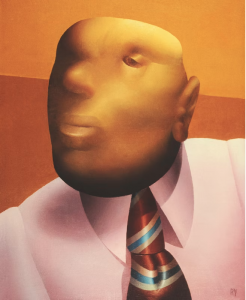
Fig. 8. Ricardo Yrarrázaval, Con el crédito en la boca, 1978
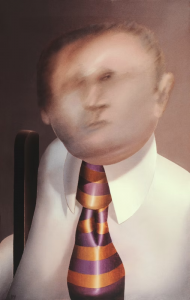
Fig. 9. Ricardo Yrarrázaval, De cuello y corbata, 1979
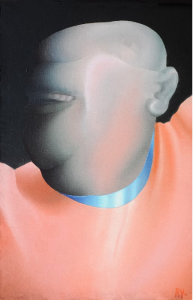
Fig. 10. Ricardo Yrarrázaval, Muerto de la risa, 1977
Las deformidades de estos tres rostros insisten, cómo no, en las miles de torturas y asesinatos que sustentan su supremacía política. Y, al igual que en los retratos de Bru, en este caso “los trazos, huellas, marcas y manchas de la pintura” –a decir de Nelly Richard– “son los estigmas de la carne, nuevamente castigada”23Richard, Nelly. 1977. “El trabajo de la memoria en la pintura de Roser Bru; en su ejercicio y representación”. Kafka y nosotros. Santiago de Chile: Galería Cromo. s/p.. Suplicio corporal que, mediante una risotada en segundo grado, el propio Yrarrázaval enrostra a toda esa élite que la justifica o cuando menos finge indiferencia, estampando en sus rostros las violencias de esa tortura que se niegan a dimensionar. No es casual, en ese sentido, que, para desfigurar sus rostros, el pintor recurra no solo a los diversos utensilios –como racletas y espátulas– de los que dispone en su taller, sino también a su propia mano. O al menos eso es lo que él confiesa a propósito de Propuesta rechazada (1980) (fig. 11), al recordar: “No me gustaba cómo estaba saliendo, así que le puse la mano encima para deformar el rostro. Y aunque después lo terminé cuidadosamente, conservó la distorsión”24Waissbluth, Verónica. 2012. Grandes artistas Contemporáneos Chilenos. Ricardo Yrarrázaval. Santiago de Chile: Galería Cecilia Palma. 41.. Estampada por su propia mano, la deformación del rostro oculta, ante los ojos de los espectadores, el violento secreto de su origen, en una suerte de escena desplazada que diagrama, a escala artística, la impotencia que el propio artista siente frente a la realidad. Surgido de la exasperación, el arañazo que trastoca la identidad del retratado funge, en esta obra, como materialización de una frustración política, o acaso de una dolorosa impotencia ante lo que su aterrorizada mirada ve. Porque, incluso si en cada retrato la horrorosa realidad nacional pareciera quedar fuera de escena, lo cierto es que, ominosamente, esta cobra cuerpo en cada uno de estos rostros rescatados bajo los signos visibles de la deformación. Es que, en sus borramientos y difuminaciones, la identidad de cada modelo ha sido violentamente trastocada, dejándose ver como la oblicua recusación del artista ante las torturas y los asesinatos que, por esos años, la dictadura se esmera en enmascarar. Así las cosas, la propuesta rechazada por Yrarrázaval no es otra que la de ese país desfigurado políticamente al fragor de la metralla: un Chile cuya imagen cobra cuerpo en las violentas deformaciones que surcan sus retratos, esas que hacen de esta galería de efigies una espeluznante colección.
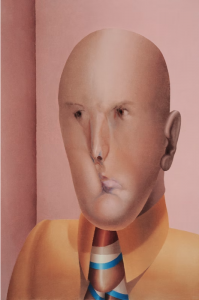
Fig. 11. Ricardo Yrarrázaval, Propuesta rechazada, 1980
Rostros en fuga: los fantasmas de la city
Seis años después de su estrepitosa inauguración como avenida peatonal, Enrique Lihn publica El paseo Ahumada (1983), en cuyos versos el poeta –quien se reconoce a sí mismo como “habitué del Paseo desde el día mismo de su fundación”25Lihn, Enrique. 1983. El Paseo Ahumada. Santiago de Chile: Ediciones Minga. s/p.– atraviesa las calles del centro de Santiago para perderse en el hormigueante ajetreo de los apurados transeúntes que pululan por la ciudad. A diferencia de lo que hubieran imaginado los gestores de su remodelación, eso sí, lo que atrae al escritor no es tanto el brillo de los modernos locales comerciales como la mendicidad que a sus afueras se agolpa, puesto que, a decir suyo, “el Paseo [no] es [sino] el pabellón en que se exhibe el quiebre del modelo económico” en tanto “las vitrinas elevan los precios al infinito y los importadores de baratijas a precios botados inundan el suelo del paseo, haciendo su negocio”26Lihn, Enrique. 1983. El Paseo Ahumada. Santiago de Chile: Ediciones Minga. s/p.. Bastará recordar, por de pronto, que en la contratapa de este cuadernillo, cuya factura remeda materialmente los desechables periódicos que a diario se cuelgan en los quioscos de dicha calle, el escritor advierte: “El Paseo Ahumada iba a ser la pista para el despegue económico, un espacio para la descongestión urbana. Se trataba de cultivar un oasis peatonal en medio de una ciudad tan próspera como vigilada. La vigilancia [eso sí] es lo único que recuerda el proyecto, [pues] se la mantiene con armas y perros policiales”27Lihn, Enrique. 1983. El Paseo Ahumada. Santiago de Chile: Ediciones Minga. s/p..
Para Enrique Lihn, por tanto, son precisamente “razones de economía las que han convertido el Paseo, construido con objetivos menos interesantes, en el Gran Teatro de la crueldad nacional y popular, donde se practican todos los oficios de la supervivencia, desde los más espectaculares hasta los más secretos, sin que ninguno de ellos escape a la publicidad”28Lihn, Enrique. 1983. El Paseo Ahumada. Santiago de Chile: Ediciones Minga. s/p.. Razones de economía, qué duda cabe, pero no las mejores. De allí la gran ironía que atraviesa y sustenta estos versos libres –“(¡algo que lo sea!)”, acota Lihn– en los que, “fascinado por la menesterosa soberbia del espectáculo”29Lihn, Enrique. 1983. El Paseo Ahumada. Santiago de Chile: Ediciones Minga. s/p. que Ahumada ofrece a los transeúntes, el poeta detiene su mirada sobre la enjuta silueta del Pingüino, ese joven mendigo que aparece en la fotografía de Paz Errázuriz que corona la portada del libro (fig. 12). Con la mirada perdida en sus pensamientos, el muchacho golpetea rabiosamente en su pandereta un ritmo capaz de contrarrestar la prisa de los caminantes y excitar su piedad, como lo acusa el modesto cartel colocado a los pies de su improvisado podio en que, al ritmo de un “Dios se lo pague”, su “sueldo” se devela amasado por la “cooperación”.
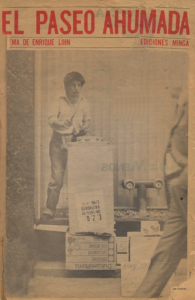
Fig. 12. Portada de El Paseo Ahumada de Enrique Lihn, 1983. Fotografía de Paz Errázuriz.
Al costado derecho de la fotografía, por su parte, una difusa silueta viene a interrumpir el espectáculo de este excéntrico muchacho: me refiero a la figura de ese canoso hombre trajeado que, con las manos en los bolsillos, se apronta a cruzar la escena. A diferencia del arrebatado rostro del Pingüino, eso sí, cuyos ojos emblanquecidos operan cual punctum de la imagen, la identidad del caminante encorbatado se pierde en el anonimato. Asimismo, tampoco tenemos certeza de hacia qué punto dirige su presurosa mirada, por lo que resulta imposible afirmar si presta atención o es indiferente al “moscardón zumbón de [ese] canto epileptoide”30ihn, Enrique. 1983. El Paseo Ahumada. Santiago de Chile: Ediciones Minga. s/p. con que el mendigo busca excitar su caridad. Puesto que la identidad de este sujeto se confunde, en definitiva, con la de aquellos tantos paseantes en fuga que, con sospechoso ritmo apurado, atraviesan el Paseo Ahumada tras su remodelación. Bien sabe de eso Ricardo Yrarrázaval, quien, a inicios de los ochenta, se allega, cámara en mano, hasta esta mismísima calle santiaguina, para fotografiar a aquellos transeúntes que aparecerán luego en sus pinturas. “A menudo me increpaban” –recuerda el artista– “pero yo seguía usando la cámara, porque quería capturar esa realidad fría y cotidiana”31Waissbluth, Verónica. 2012. Grandes artistas Contemporáneos Chilenos. Ricardo Yrarrázaval. Santiago de Chile: Galería Cecilia Palma. 42.. Y, acto seguido, reflexiona al respecto “He sido siempre muy encerrado, pero los acontecimientos hicieron que saliese a la calle”32Waissbluth, Verónica. 2012. Grandes artistas Contemporáneos Chilenos. Ricardo Yrarrázaval. Santiago de Chile: Galería Cecilia Palma. 42..
Interesante resulta indicar, en ese sentido, que, durante su brevísimo paso por el entrepiso de Ahumada 254, donde se ubicaba Galería Cromo, Yrarrázaval conoce de cerca las reflexiones artísticas que incitan las exposiciones organizadas por Nelly Richard y sus vanguardistas catálogos. Estoy pensando, sin ir más lejos, en los trabajos que Francisco Smythe, Carlos Leppe y Carlos Altamirano exhiben en la galería durante 1977, en la medida que –a decir de Tomás Peters– “es posible advertir [en todas esas exposiciones] un elemento común: las experiencias del desplazamiento y la transformación de los cuerpos en los paisajes urbanos de la dictadura militar”33Peters, Tomás. 2025. Un devenir oblicuo. Itinerario intelectual de Nelly Richard. Ediciones Metales Pesados. 37.. Para efectos de este ensayo, no obstante, me interesa pensar puntualmente la producción visual de Yrarrázaval a la luz de las reflexiones suscitadas por la muestra de Altamirano, Santiago de Chile (1977) (fig. 13), cuyo catálogo ahonda en las “relaciones inscritas en el paisaje urbano”34Altamirano, Carlos. 1977. Santiago de Chile. Santiago de Chile: Galería Cromo. s/p. a partir de fotografías de la recientemente inaugurada línea del Metro: un hito urbano que, pese a haber sido proyectado a fines de los años sesenta (pues en 1968 Eduardo Frei Montalva firma el decreto que, al año siguiente, da inicio a las obras35“Nuestra Historia”. Sitio web del Metro de Santiago.), se consuma recién tres años después del Golpe, en plena dictadura cívico-militar, cuando comienza a operar el primer trayecto del Metro, que va desde San Pablo hasta La Moneda. Y, de hecho, es en marzo de 1977, mientras tienen lugar los trabajos de remodelación de Ahumada y se inaugura la primera exposición de Cromo en el entrepiso del 254, que abre sus puertas la colindante estación -”Universidad de Chile”, como parte de la primera extensión de la línea 1 del Metro.
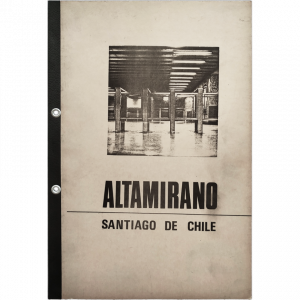
Fig. 13. Catálogo de exposición Santiago de Chile, Galería Cromo, 1977
Habida cuenta de ello, el catálogo de la exposición de Altamirano se deja leer como una serie de instrucciones de uso, impensado manual urbano que invita a los visitantes de la exposición a abandonar el entrepiso de Ahumada 254 para adentrarse en las entrañas de la ciudad. A través de las páginas de Santiago de Chile, las fotografías del Metro bien pueden pensarse como una invitación a explorar ese afuera de la institución artística. O, incluso, como una provocación para empezar a pensar un arte capaz de vincularse con la ciudadanía en el seno mismo de la ciudad sitiada (como comenzaría a hacer dos años más tarde, en 1979, el CADA y, más ampliamente, toda la Escena de Avanzada). Un arte capaz de traspasar los estrechos límites de una institucionalidad cultural que, durante los diecisiete años del régimen, fue víctima de una flagrante intervención militar. Como nos lo recuerda, sin ir más lejos, el presuroso allanamiento sufrido el 11 de septiembre de 1973 por el Museo de Bellas Artes, así como la posterior renuncia y salida del país de Nemesio Antúnez, su director36En una entrevista emitida por UCV TV a fines de la década del ochenta, donada por la viuda del artista al Archivo Audiovisual del Centro de Documentación (CEDOC) del Museo Nacional de Bellas Artes de Chile, Nemesio Antúnez evoca su llegada al museo ese 11 de septiembre, recordando cómo, ante la aparente denuncia telefónica de que había personas escondidas al interior del edificio, llegaron tanques del ejército que comenzaron a disparar, dañando tanto la fachada del palacio como algunas de las obras allí expuestas..
Ahora bien, en una carta fechada el 13 de noviembre de 1983, Ricardo Yrarrázaval escribe desde Santiago a Antúnez para contarle no solo el enorme esfuerzo que por entonces requiere para culminar sus obras, sino, además, para insistir en cómo la “situación chilena” lo “afecta profundamente” tanto a él como a su trabajo artístico37Yrarrázaval, Ricardo. Carta a Nemesio Antúnez. 13 de noviembre de 1983. Archivo Fundación Nemesio Antúnez.. A la hora de referirse a las figuras que pueblan su producción visual de esos años, el artista apunta: “Son los señores que intentan crear un mundo artificial, distorsionado, de mentira. Los señores que sin importarles los medios buscan el poder. Poder significa la bomba, la guerra, la contaminación, el hambre, el odio, la destrucción de la naturaleza, la destrucción de la realidad”38Yrarrázaval, Ricardo. Carta a Nemesio Antúnez. 13 de noviembre de 1983. Archivo Fundación Nemesio Antúnez.. Y, acota a renglón seguido, la dificultad de retratar el siniestro mundo que lo rodea: “Mi intención fue pintar la realidad que vivimos. No lo logré –¡es tan fuerte la realidad! Seguiré intentando, siento una necesidad imperiosa para lograr aunque sea un vislumbre de la terrible realidad”39Yrarrázaval, Ricardo. Carta a Nemesio Antúnez. 13 de noviembre de 1983. Archivo Fundación Nemesio Antúnez..
Sobre vislumbres, eso sí, Ricardo Yrarrázaval bastante sabe por entonces, dado que es precisamente para capturar fugaces escenas cotidianas que, tras la remodelación de Ahumada, el artista recorre, con una pequeña cámara, el paseo peatonal, abandonando así “su mundo introvertido y abstracto” para “captar la vida allá afuera”40Yaconi, Ana María. 2014. “Presentación”. Ricardo Yrarrázaval: 1952-2014. Santiago de Chile: Foramen Acus. 10.. Y, de pronto, el pintor se descubre a sí mismo a la intemperie, en medio de una ajetreada calle poblada por incontables hombres de negocios que, impecablemente encorbatados, transitan con premura, entre los demás transeúntes, confundiéndose con aquellos compradores que, atraídos por las relucientes mercancías exhibidas en las vitrinas, también han concurrido hasta allí. Y cuyo brillo, indudablemente, evoca al por entonces también reluciente Metro de Santiago, cuyo moderno trazado puede imaginarse, en palabras de Pedro Lemebel, como “la evidencia disciplinada que nos dejó la dictadura”41Lemebel, Pedro. 2010. “El metro de Santiago”. De perlas y cicatrices. Santiago de Chile: Seix Barral. 245.. Cuerpos sospechosamente fugaces esos que, como en una suerte de aparición espectral, apenas dejan una estela luminosa. Como lo comprueban, a su vez, las fotografías del Paseo Ahumada capturadas hacia 1983 por Paz Errázuriz (fig. 14), incluidas en la primera edición del poema de Lihn. Y en las que la fugacidad espectral de quienes deambulan con notable prisa contrasta, en gran medida, con los almidonados grupúsculos de señores ostentosamente vestidos con ordenada pulcritud (fig. 15). Cuáles sino aquellos encorbatados que, en la pintura ochentera de Yrarrázaval, eso sí, aparecen bajo el siniestro halo de la sospecha, verdaderos emblemas de aquel mundo gris que, como hemos visto, a partir del Golpe el artista se aboca a retratar.
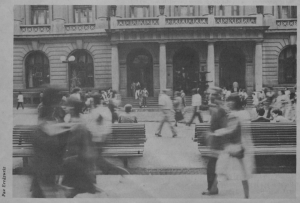
Figura 14. Fotografía de Paz Errázuriz reproducida en El Paseo Ahumada de Enrique Lihn, 1983.
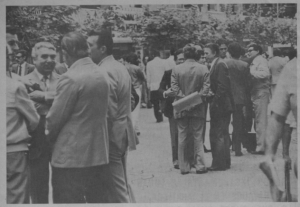
Figura 15. Fotografía de Paz Errázuriz reproducida en El Paseo Ahumada de Enrique Lihn, 1983.
En tal perspectiva, rescato críticamente las exposiciones de Galería Cromo como un verdadero prisma capaz de redireccionar la obra de Yrarrázaval, en tanto el artista deja atrás los interiores representados en sus primeros retratos para adentrarse, de lleno, en las calles de la ciudad. Para lo cual acude a la fotografía: un dispositivo artístico que no solo le permite capturar visualmente algunos de los fugaces destellos que ve durante sus zigzagueantes recorridos por el centro de Santiago, sino que además le permite luego espectralizar sus pinturas a través de la deformada proyección de dichas imágenes sobre la tela. Y digo fugaces porque, leídos al trasluz de los versos de Lihn, las caminatas que Ricardo Yrarrázaval realiza en el Paseo Ahumada a fines de los setenta e inicios de los ochenta se nos develan estriadas por el fantasma de la desaparición que, en este caso, remite fundamentalmente a la pérdida de la propia identidad. Despojo propio de la ciudad moderna que, como comenta Altamirano en una entrevista para Cromo en mayo de 1977, nos invita a reflexionar sobre la relación establecida entre el “hombre”, el “paisaje urbano” y la “asfixia” en el agobiante horizonte citadino del “anonimizante” mundo moderno42Altamirano, Carlos. 1977. Cuatro grabadores chilenos. Santiago de Chile: Galería Cromo. s/p..
Porque estos señores de cuello y corbata que atraviesan el Paseo Ahumada aparecen en la producción ochentera de Yrarrázaval siempre deformados y recortados, tal y como también sucede con los cuerpos humanos que aparecen fotografiados al interior del Metro de Santiago en el catálogo de la exposición de Altamirano (fig. 16), insistiendo con énfasis en cómo la modernización opera cual camisa de fuerza, opresivo trazado –ora corporal, ora urbano– que tritura en el sujeto moderno cualquier atisbo de singularidad. Salvo, claro está, en quienes han quedado patéticamente relegados al margen, y cuya desajustada silueta cobra cuerpo en los animalescos zarandeos mendicantes del Pingüino cuando, ante la indiferencia de los demás transeúntes, pregona su patético espectáculo a vista y paciencia de quienes apuran el paso al caminar frente a él. Porque, al igual que la rigidez de movimiento que toda corbata impone a quien la usa, los estandarizados recorridos del metro se nos develan, a través de las fotografías de Santiago de Chile, como el forzoso disciplinamiento corporal que en realidad son. Una iluminación que, por su parte, el propio Yrarrázaval también incorpora a sus pinturas de esa época, no solo a través del frenético apuro que desfigura las siluetas de los caminantes, sino, sobre todo, a partir del incierto halo de sospecha que atraviesa sus rostros.
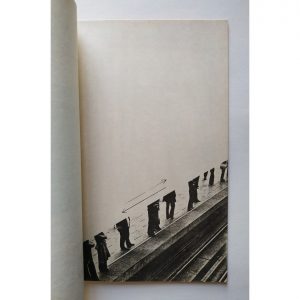
Fig. 16. Interior de catálogo de exposición Santiago de Chile, Galería Cromo, 1977
Es que, como recuerda Verónica Waissbluth, el artista “comenzó a pintar sobre aquellas fotos proyectadas sobre la tela, por lo cual su obra se volvió más cruda y realista”43Waissbluth, Verónica. 2012. Grandes artistas Contemporáneos Chilenos. Ricardo Yrarrázaval. Santiago de Chile: Galería Cecilia Palma. 42.. Pero de un realismo que en ningún caso es ajeno al irreal dejo que caracteriza sus retratos de la década anterior, en la medida que sus siluetas aparecen como fuera de foco, como difuminadas por la estandarizada premura moderna que la ciudad impone sobre sus cuerpos. Como sucede, por ejemplo, en un óleo sobre tela de 1980 titulado Con la calle puesta (fig. 17), donde la rigidez de la impoluta corbata que adorna el cuello del hombre –ese “nudo gordiano”, en palabras de Lihn44Lihn, Enrique. 1983. El paseo Ahumada. Santiago de Chile: Ediciones Minga. s/p.– contrasta, radicalmente, con la indefinición de un cuerpo difuminado a tal extremo que llega a adquirir un tinte fantasmal. Dado que, perdida tras el sombrero, la extraña mirada del hombre se enceguece detrás de esos gruesos anteojos que perturban su cara, como desfigurándolo. Acaso buscando enfatizar, de este modo, una suerte de extrañeza en los ojos de tan elegante señor. E incluso hay casos donde los transeúntes llegan a deformarse a través de un perverso juego de perspectiva al proyectar los negativos sobre la tela, como sucede, por de pronto, en un óleo sobre tela sin título de 1980 (fig. 18), basado en la misma fotografía de Yrarrázaval en que se basa Clipper class (fig. 19), otro óleo sobre tela de 1983.
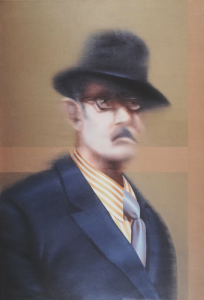
Fig. 17. Ricardo Yrarrázaval, Con la calle puesta, 1980
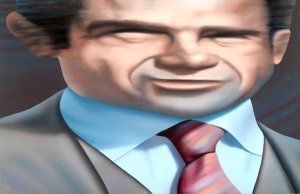
Fig. 18. Ricardo Yrarrázaval, Sin título, 1980
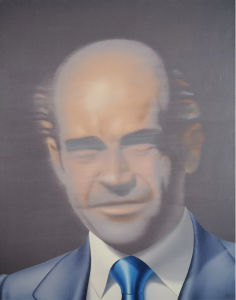
Fig. 19. Ricardo Yrarrázaval, Clipper class, 1983. Colección Il Posto
En su gran mayoría, sin embargo, no se trata ya, como en los retratos de los setenta, la deformidad de un rostro que pareciera estar recusando la inhumanidad del régimen, sino un sfumatto que imprime las equívocas huellas de una sospecha irremediable. Ya que el Paseo Ahumada está poblado de caminantes que no dejan de voltearse una y otra vez, acaso apanicados por la posibilidad de estar siendo perseguidos, o acaso por ser más bien persecutores que buscan pasar desapercibidos entre la multitud. Como en Retorno (fig. 20), ese óleo sobre tela de 1980, en que el frenético giro del hombre representado –esta vez con un polo blanco a rayas horizontales– hace que su brazo derecho se difumine, como queriendo esconder –imagino– alguna pistola o revólver. O como la mujer que protagoniza El peso de su convicción (fig. 21), óleo sobre tela de ese mismo año, en que unos gruesos anteojos oscuros parecieran, sospechosamente, ocultar algo más que su identidad. Una crítica que, por cierto, el artista plantea de manera mucho más abierta en El informante (1983) (fig. 22), óleo sobre tela en que ya desde el título mismo se denuncia la perversidad de todo agente encubierto, toda vez que, en dicha obra, los rostros de dos encorbatados se solapan a través de un juego pictórico de transparencias, sin que podamos saber bien cuál de los dos es el perseguidor y cuál el perseguido.
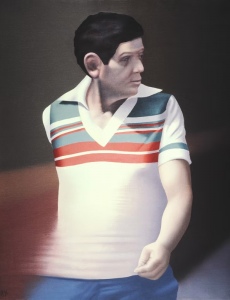
Fig. 20. Ricardo Yrarrázaval, Retorno, 1980
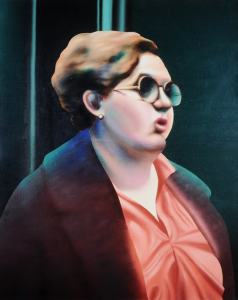
Fig. 21. Ricardo Yrarrázaval, El peso de su convicción, 1980
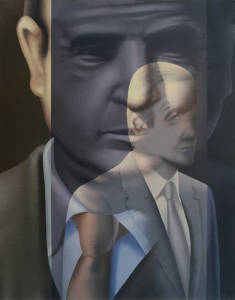
Fig. 22. Ricardo Yrarrázaval, El informante, 1983
Paranoia absoluta la que los transeúntes citadinos viven, bajo el Chile dictatorial, en medio de la capital chilena, ciudad sitiada cuya emblemática imagen nos la ofrece, según aduzco, nada menos que la contratapa del catálogo de Altamirano, en la que se representa un plano urbano sobre el cual se ha superpuesto un extenso cuadrado negro (fig. 23). ¿Qué es lo que sucede en las calles de Santiago de Chile durante la década de los ochenta, especialmente en el Paseo Ahumada? ¿Qué secretos ocultan sus apurados paseantes incógnitos, esos cuyos rostros apenas logramos entrever debido al raudo paso con que atraviesan la ciudad? Una mirada paranoica es, por ello, la que Ricardo Yrarrázaval perfila en pinturas de esos años, una vez que, siguiendo a Altamirano y Lihn, se atreve a salir a la calle para ejercitar, de ese modo, una “estética del vivac”45Lihn, Enrique. 1983. El paseo Ahumada. Santiago de Chile: Ediciones Minga.. Pero de una paranoia, digámoslo, totalmente realista, habida cuenta de que, tras los hallazgos de quince osamentas en Lonquén a fines de 1978, comienza a volverse cada vez más patente aquella política de exterminio que, hasta entonces, la dictadura chilena había querido ocultar46En noviembre de 1978, a cinco años del Golpe de Estado que diera origen a la dictadura cívico-militar chilena, se descubre un gran número de osamentas humanas al interior de un viejo horno de cal en Lonquén, localidad rural chilena ubicada en la comuna de Talagante, cerca de Isla de Maipo, al centro sur de la región Metropolitana. Tras el hallazgo, la Vicaría de la Solidaridad –organismo de la Iglesia Católica de Chile creado para defender los derechos humanos durante esos años– se encarga de verificar y denunciar el hecho ante la Corte Suprema, que acaba por determinar que las osamentas correspondían a los restos de quince personas detenidas por Carabineros de Chile en la Tenencia de Isla de Maipo el 7 de octubre de 1973. (Véase “Hornos de Lonquén. Año 1978” en el sitio web del Museo de la Memoria y los Derechos Humanos).
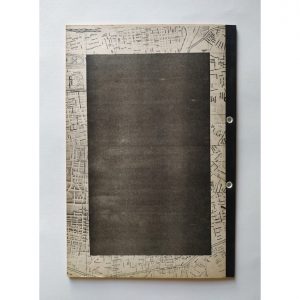
Fig. 23. Contratapa de catálogo de exposición Santiago de Chile, Galería Cromo, 1977
Del rostro al rastro
En agosto de 1973, apenas unos días antes del Golpe de Estado, se realiza en el Museo Nacional de Bellas Artes la exposición La Imaginación es la loca del hogar, donde participan Ricardo Yrarrázaval, Juan Pablo Langlois, Roser Bru y Nemesio Antúnez. De las siluetas humanas que Yrarrázaval exhibe en esta muestra colectiva (donde, como pondera Antonio Echeverría, el artista “por primera vez, [expone] de manera institucional y en Chile”47Echeverría, Antonio. 2025. Ricardo Yrarrázaval. Tres décadas. Santiago de Chile: Il Posto. 7.), llama la atención la flagrante ausencia de rostros. Como lo evidencia, sin ir más lejos, Su Ego (1973) (fig. 24), óleo sobre tela incluido en la muestra Ricardo Yrarrázaval. Tres décadas (2025), recientemente exhibida en Il Posto. Lo que nos lleva a colegir que los retratados de Yrarrázaval cobran rostro en el preciso momento en el que, a punta de balas y excesos, la institucionalidad del país se desfigura a más no poder, en un viraje artístico que, como la pintura suya de ese mismo nombre (fig. 25), es sin vuelta atrás. Pues es entonces que, a decir de Ana María Yaconi, aparecen en su obra “las primeras figuras humanas ya explícitas”, luciendo unos rostros “apenas esbozados y por cierto impertérritos frente a lo que en ese momento vivía el país”48Yaconi, Ana María. 2014. “Presentación”. Ricardo Yrarrázaval: 1952-2014. Santiago de Chile: Foramen Acus. 9..
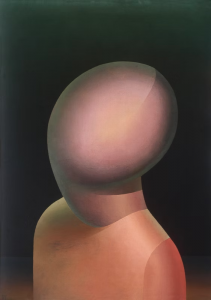
Fig. 24. Ricardo Yrarrázaval, Su ego, 1973. Colección Bartholdson
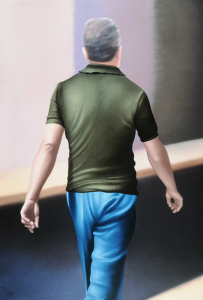
Fig. 25. Ricardo Yrarrázaval, Sin vuelta atrás, 1980. Colección Bartholdson
A este inequívoco impulso figurativo que comienza a perfilarse en la obra de Yrarrázaval tras el Golpe y que da rostro a sus retratados, eso sí, no le es en ningún caso ajena una irresistible compulsión desfiguradora, que al estriar dialécticamente su producción lo lleva a borronear aquellos rostros y siluetas que con irrefrenable ahínco persigue retratar. Y de cuya identidad, por cierto, apenas queda un miserable rastro. De allí que, en los pasteles y óleos que el artista produce en los setenta y ochenta, la realidad sea evidentemente retratada al pie de la letra, pero al mismo tiempo borroneada en un gesto de alucinado sopor. Y digo sopor porque, como en la peor de las pesadillas, la obra de Yrarrázaval más bien parece retratar la realidad que acaso se vive, oblicuamente, al alero de los sueños, cuando la vida cotidiana se nos presenta trastocada por nuestros miedos más íntimos. Una pesadilla que, según hemos visto, es todavía más siniestra cuando comprendemos que, a fin de cuentas, es absolutamente real, puesto que las desfiguradas siluetas de los siniestros encorbatados cobran cuerpo en las calles de Santiago. Y la lección, que duda cabe, se deja leer al trasluz del brevísimo paso del artista por Galería Cromo, allá por el 77, en el entrepiso de Ahumada 254: esa mueblería reacondicionada cuyas gruesas paredes separaban a sus moradores del horroroso bullicio citadino, pero en la que el siniestro traqueteo urbano se colaba a través de un infatigable taladreo en el que reverberaba la metralla militar.


