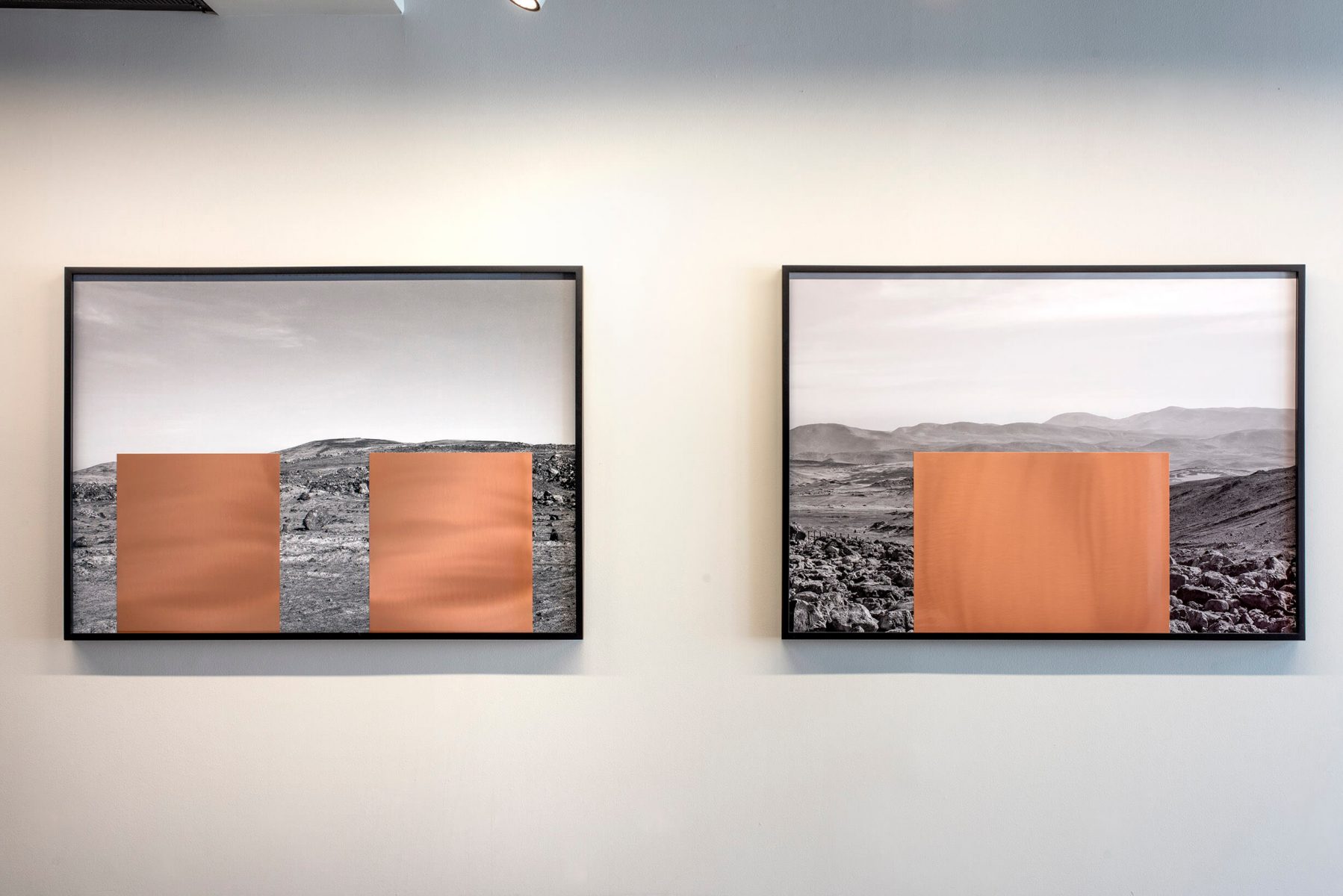
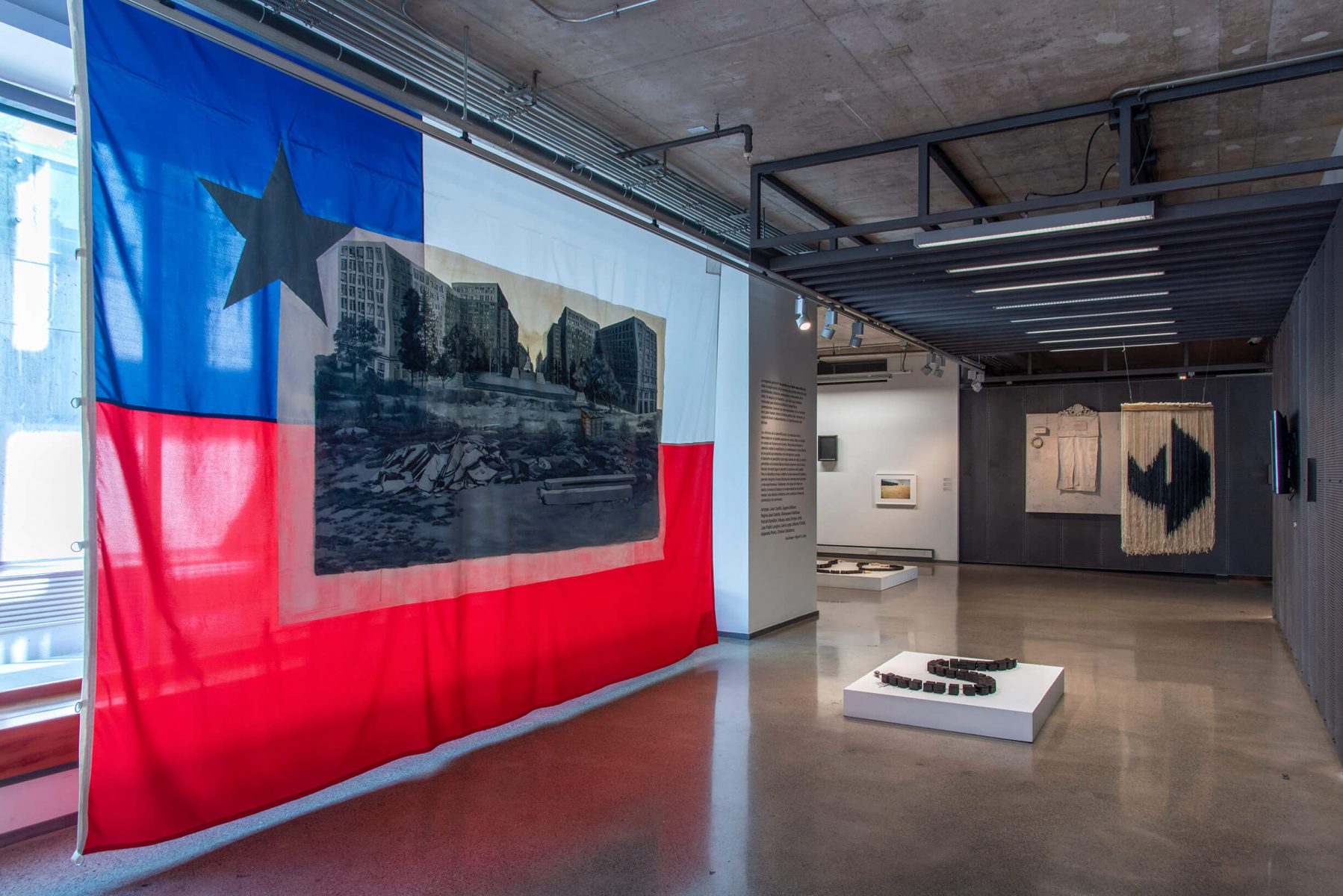
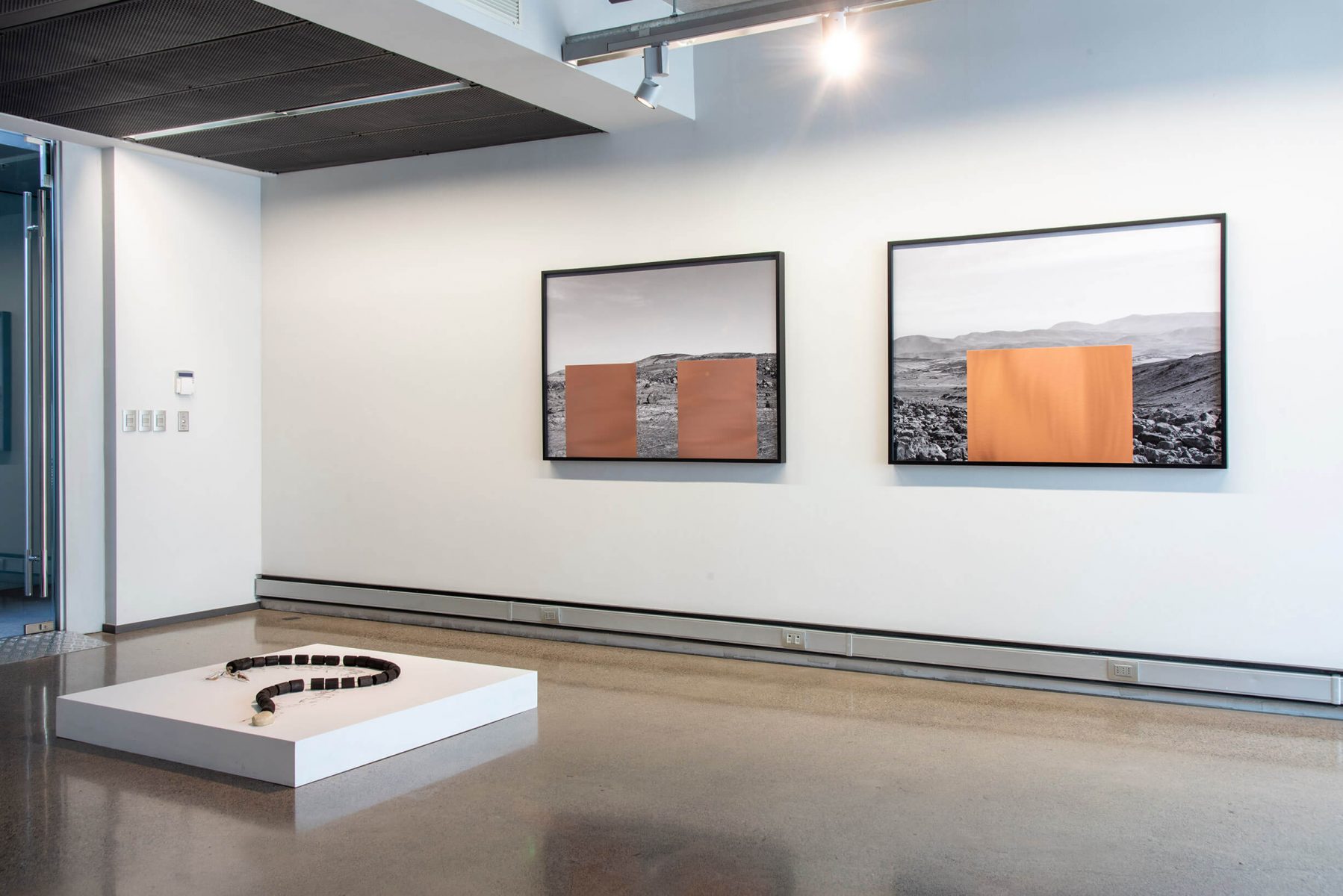
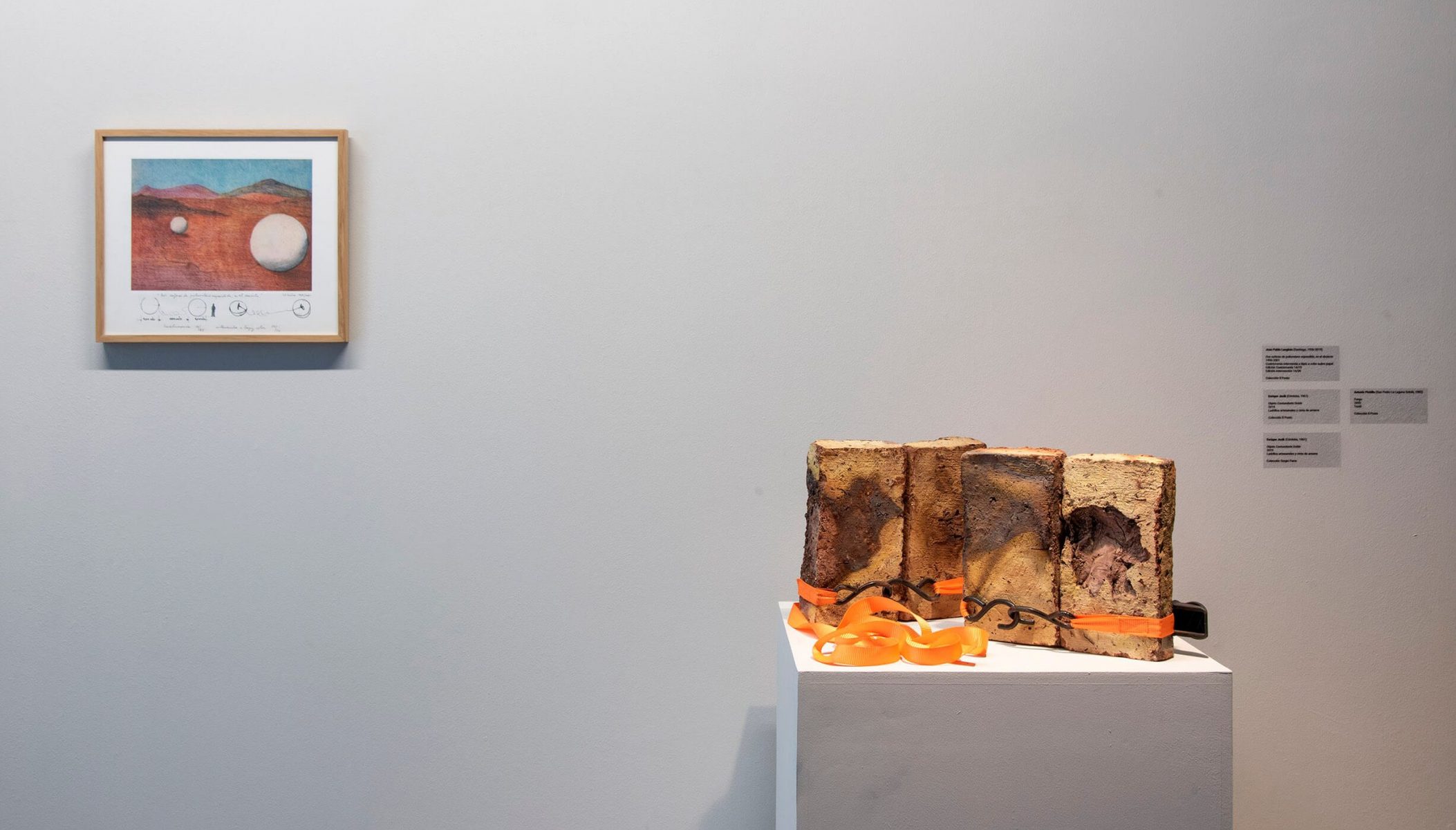
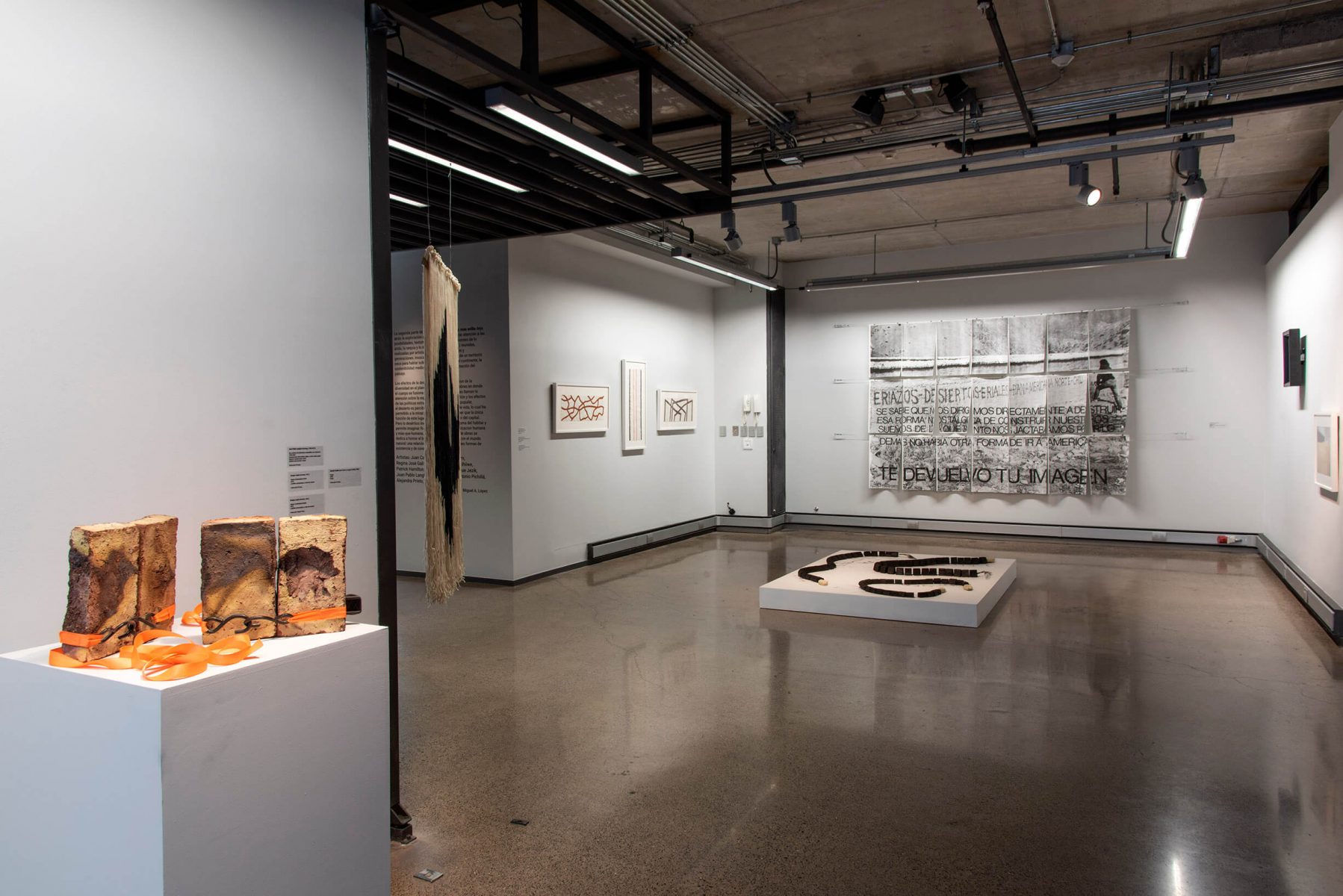
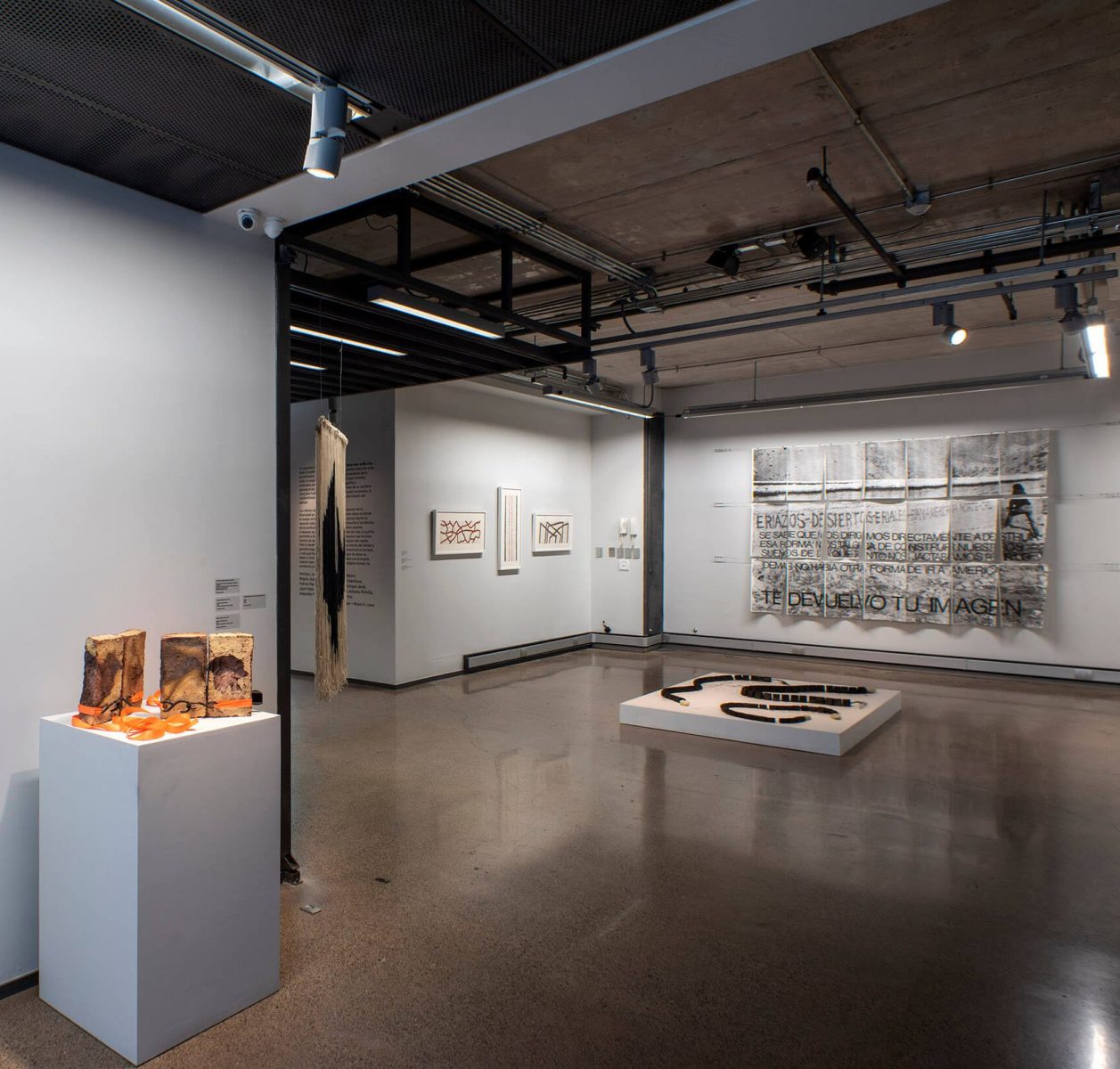
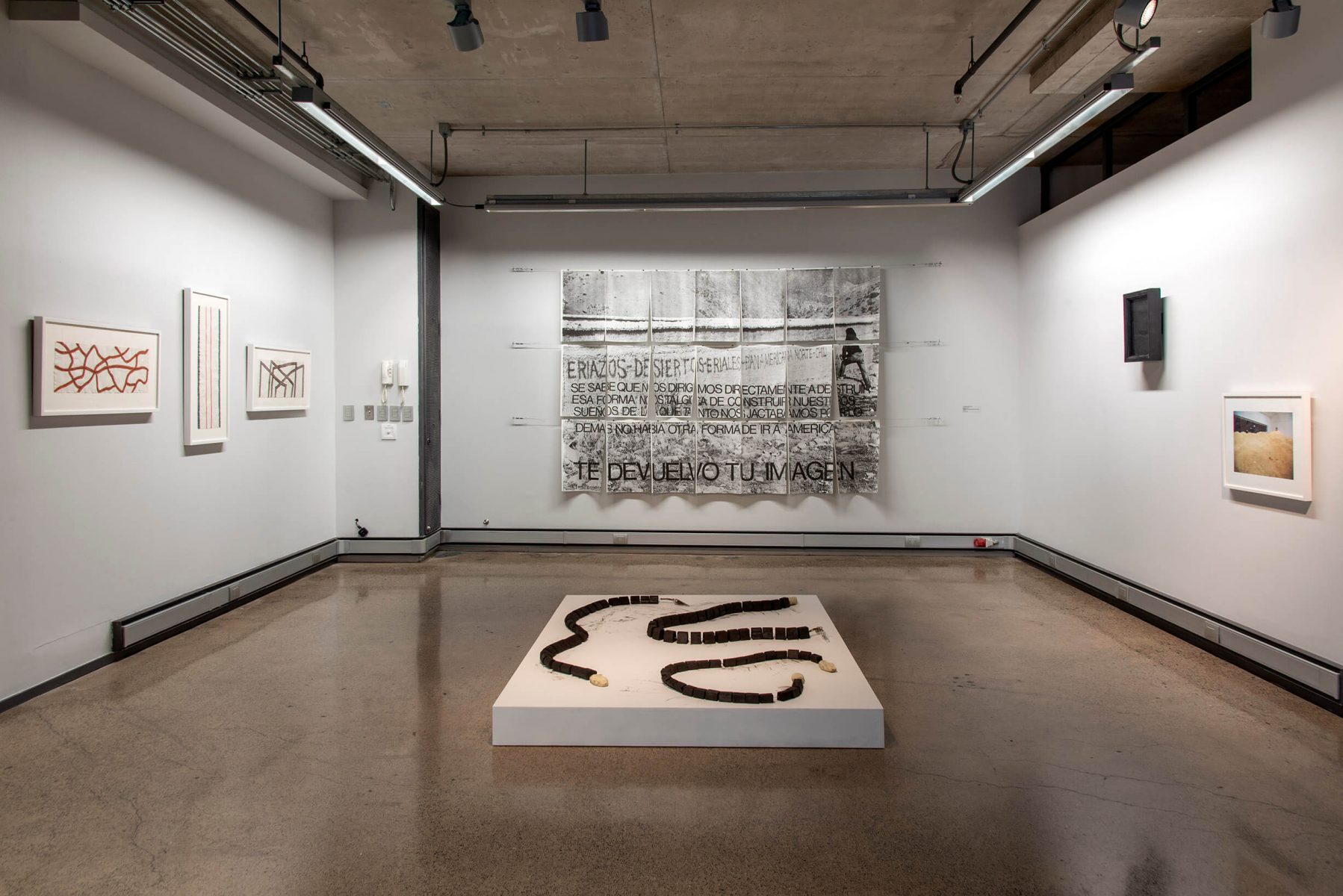
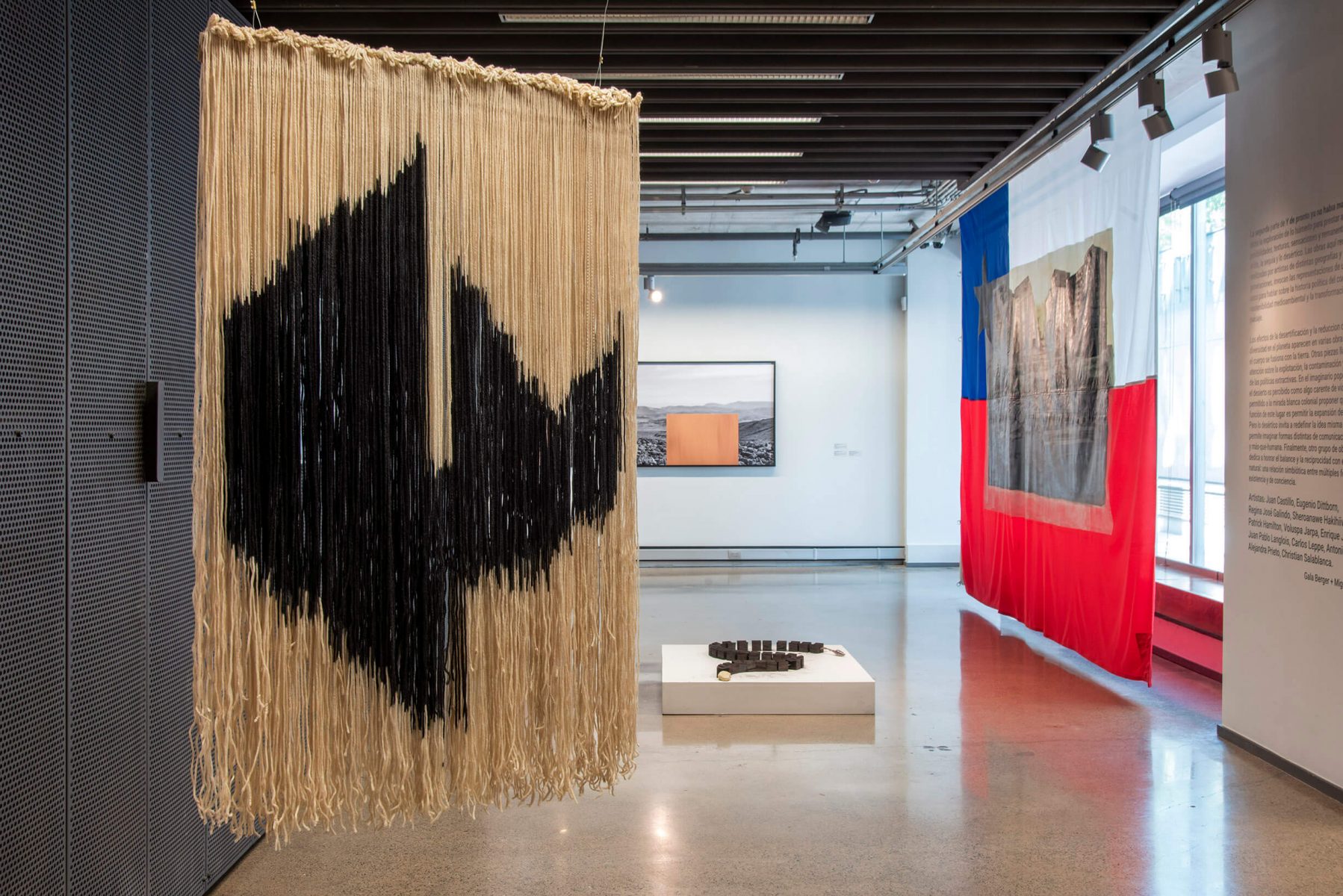
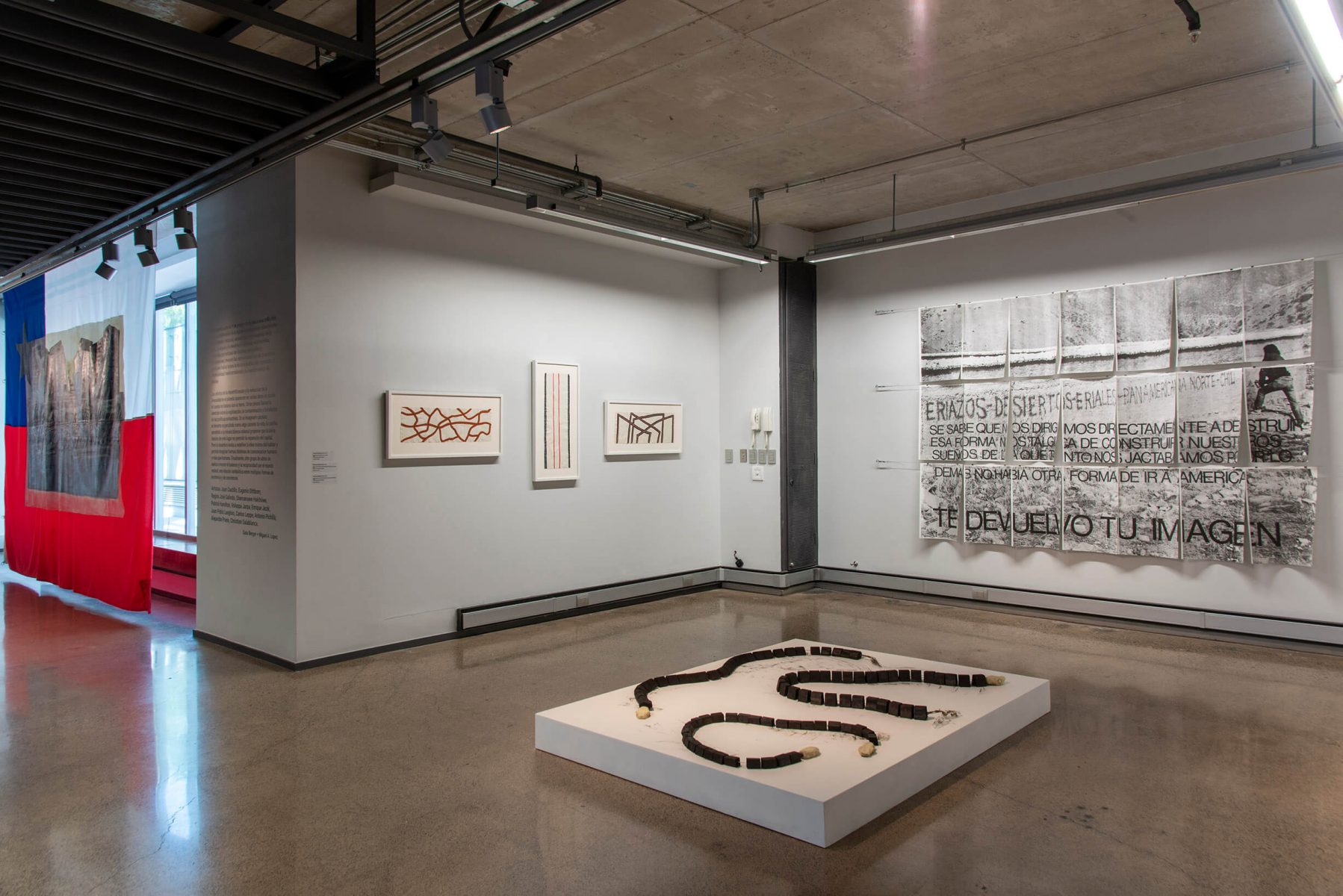
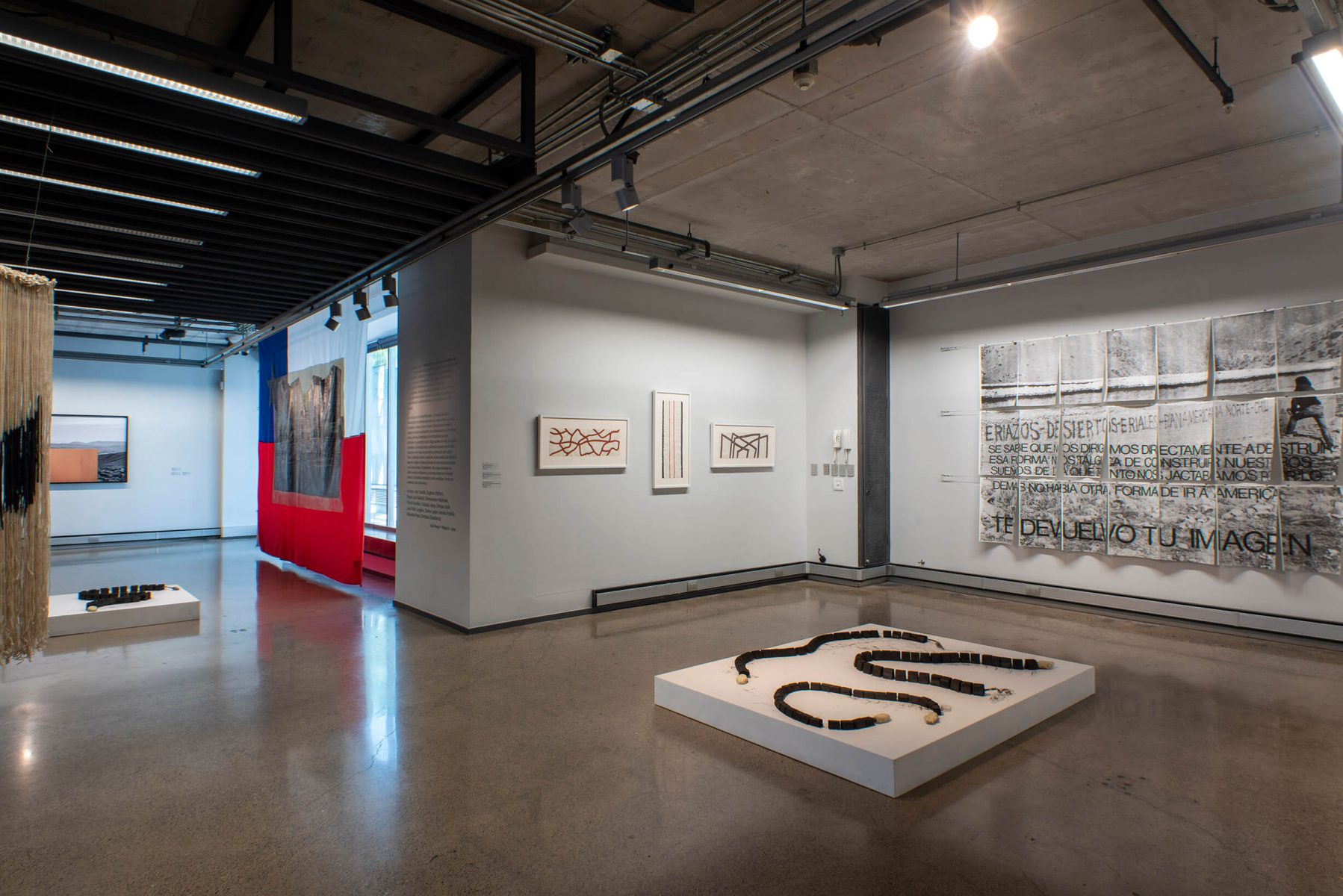
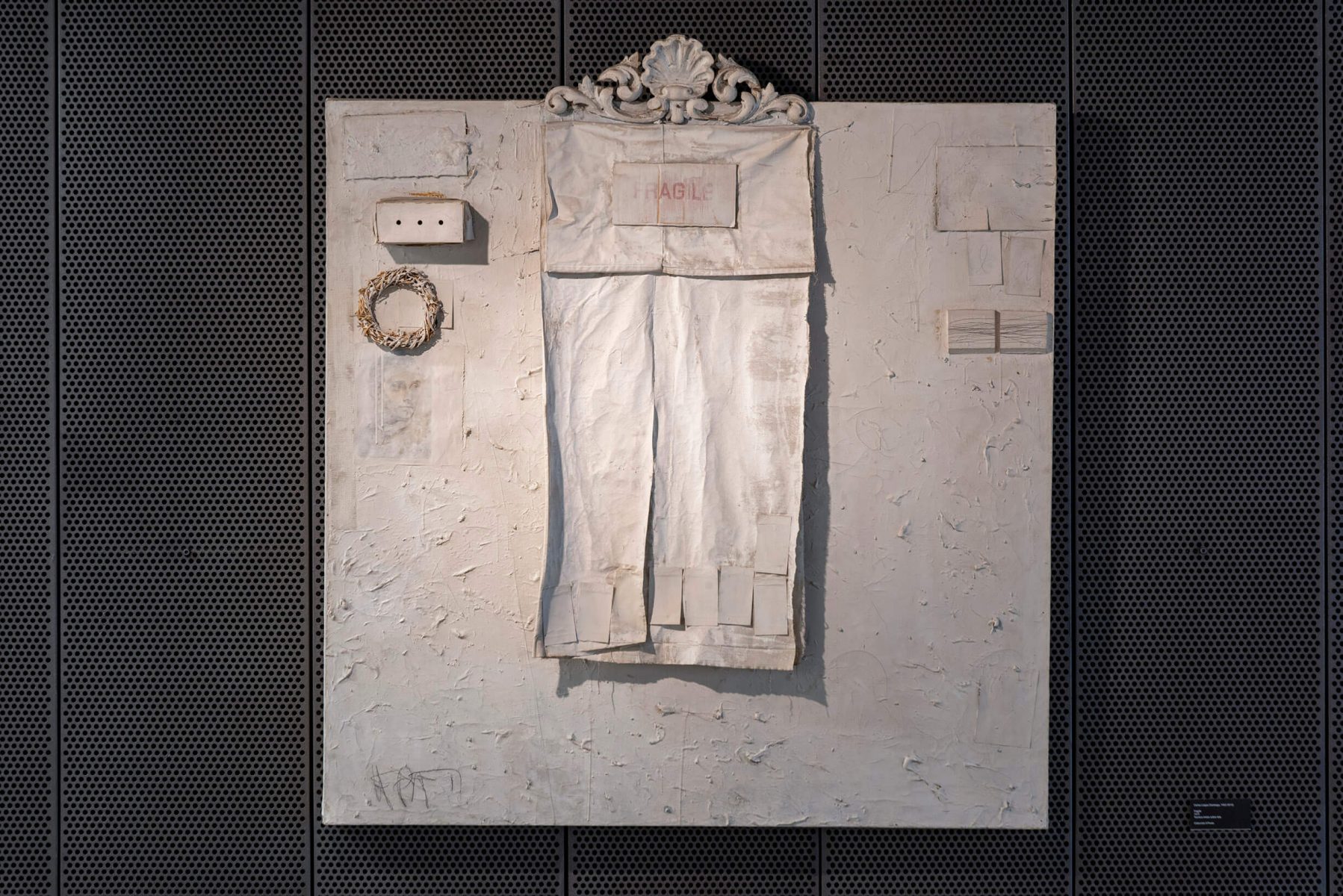
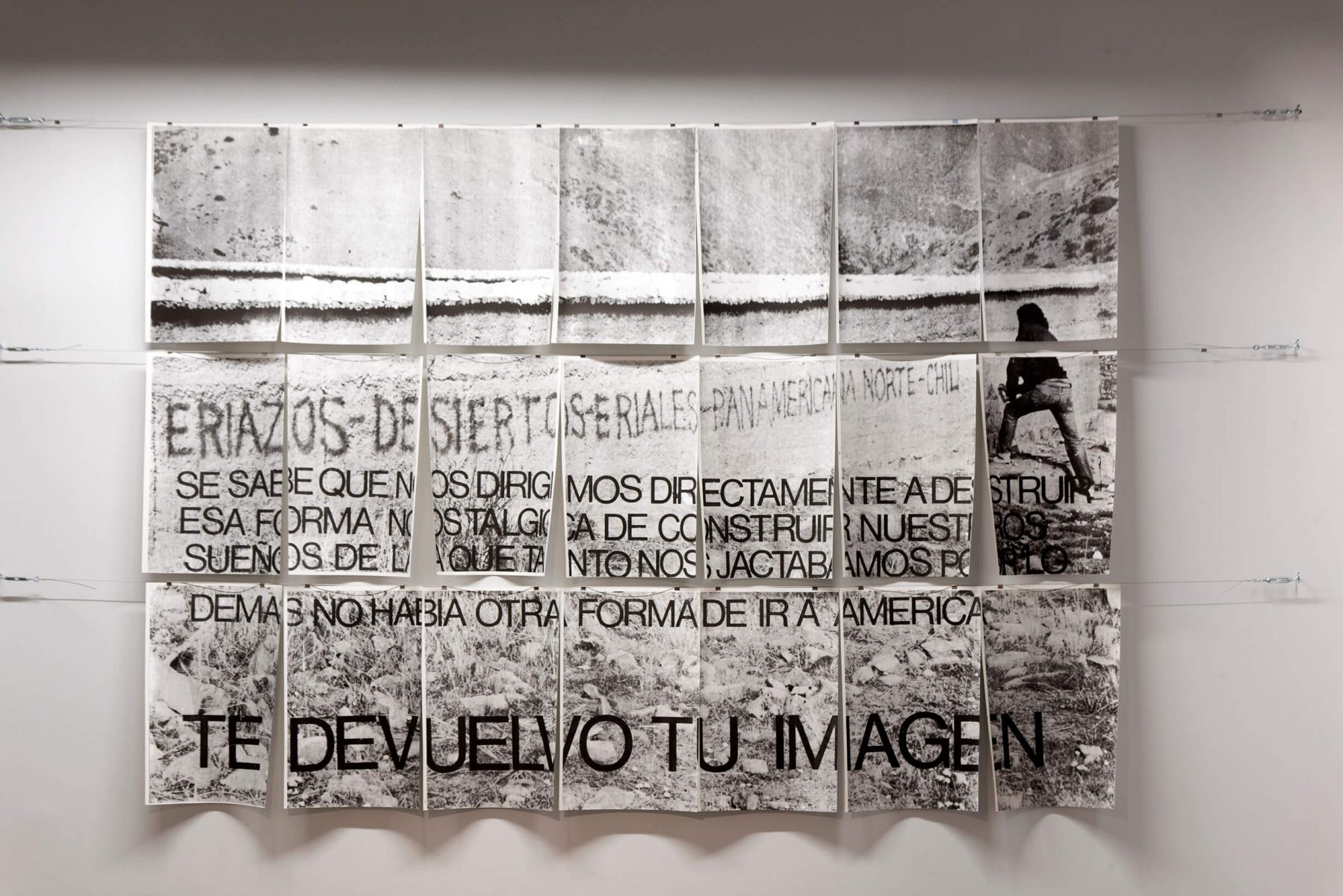
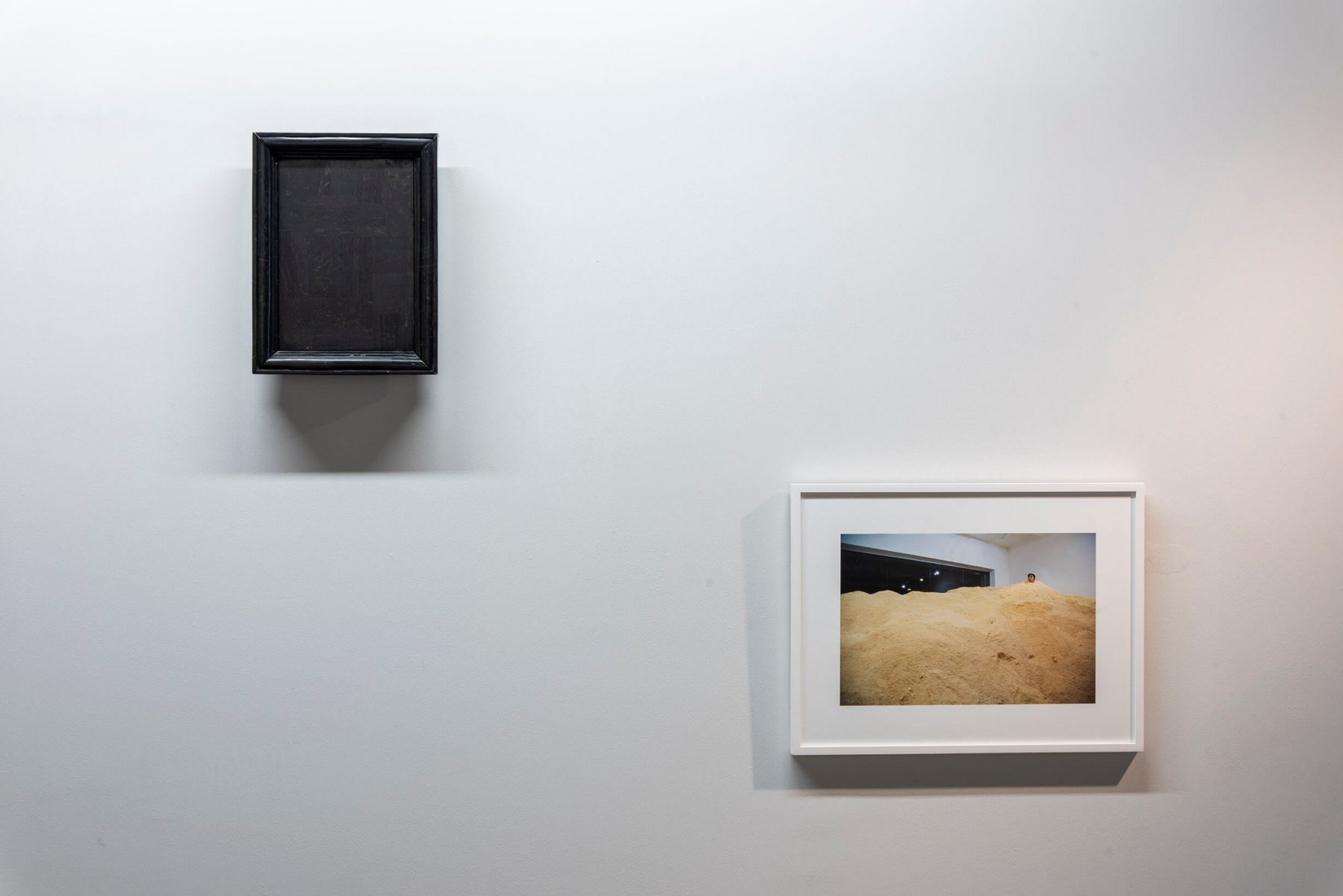
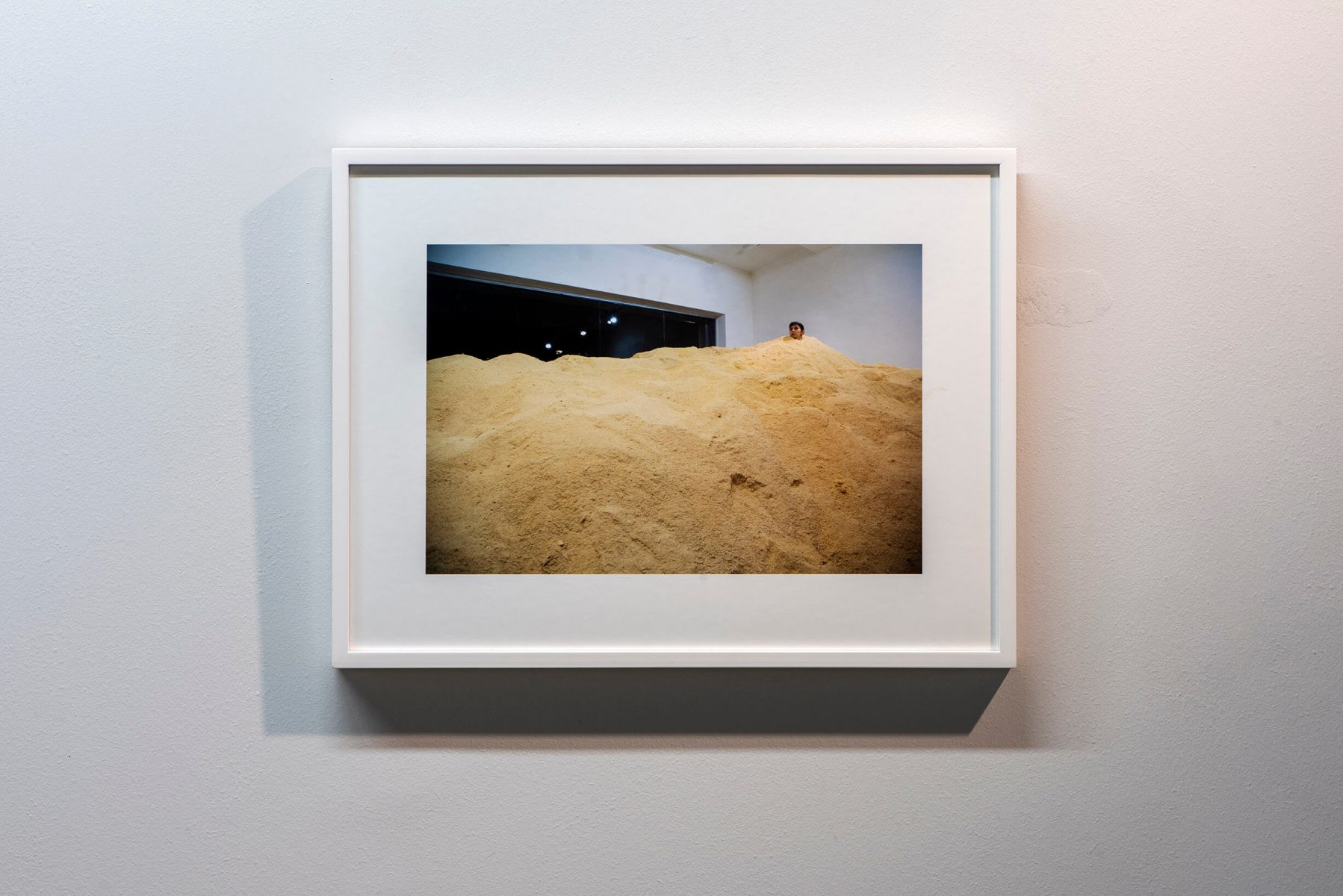
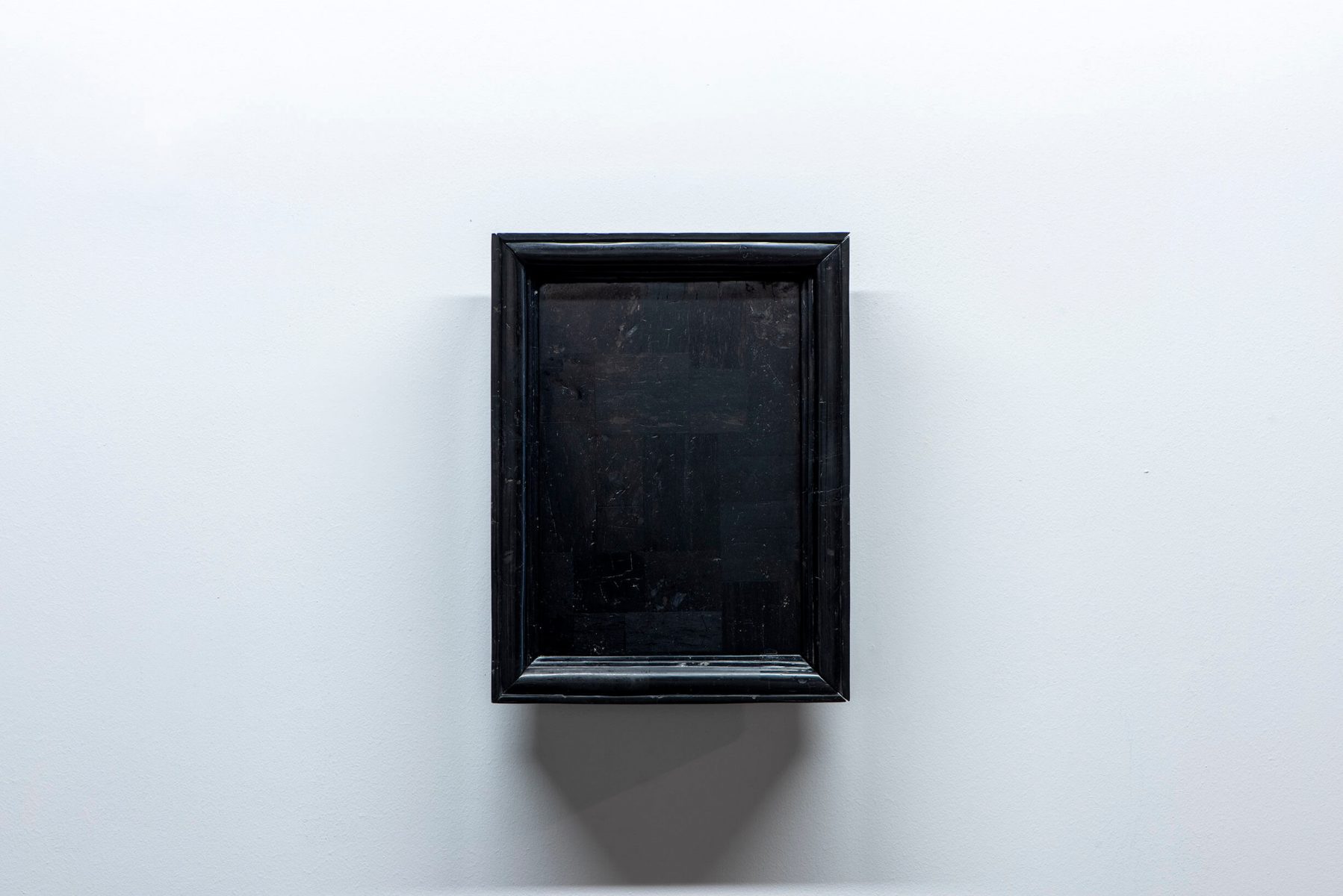
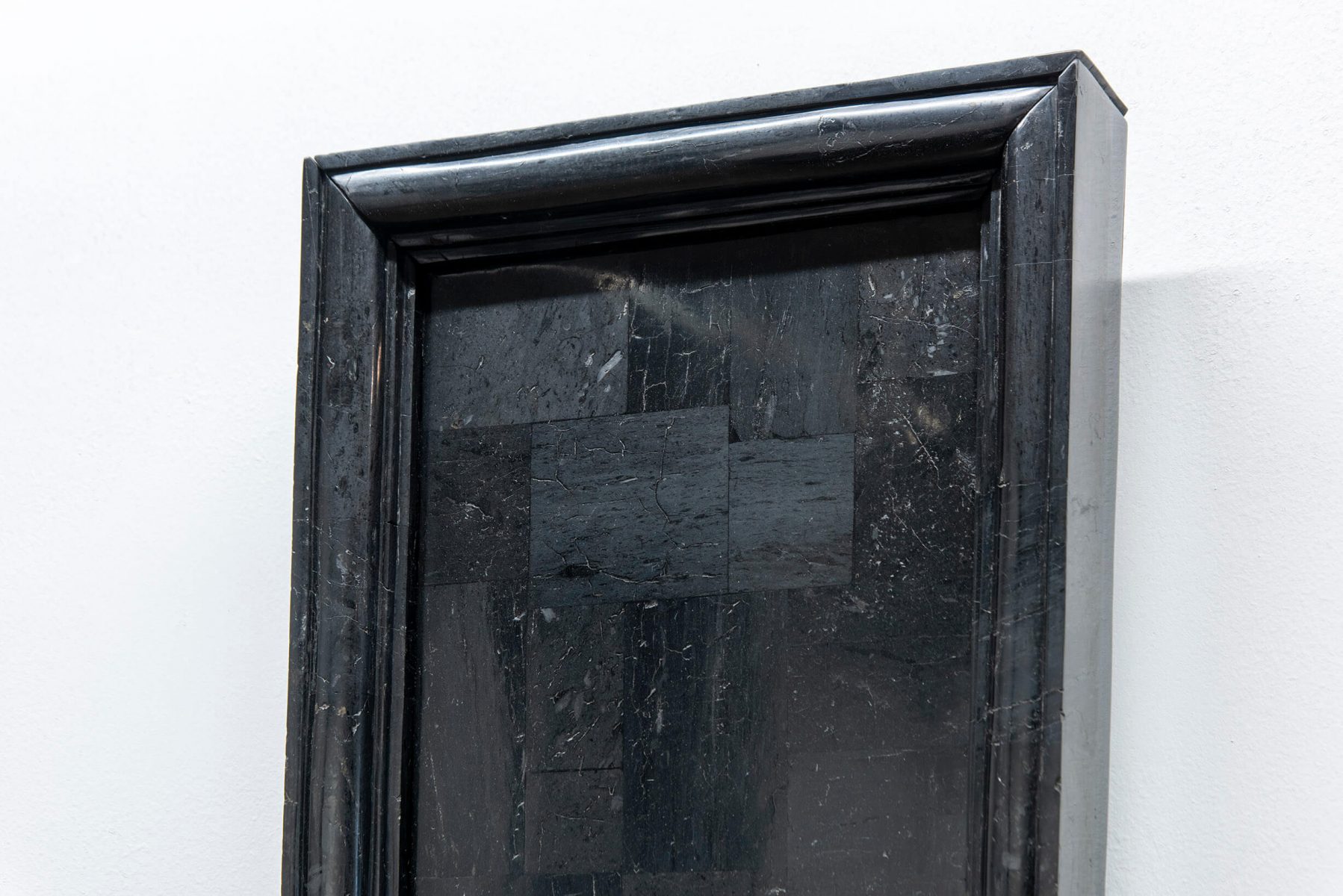
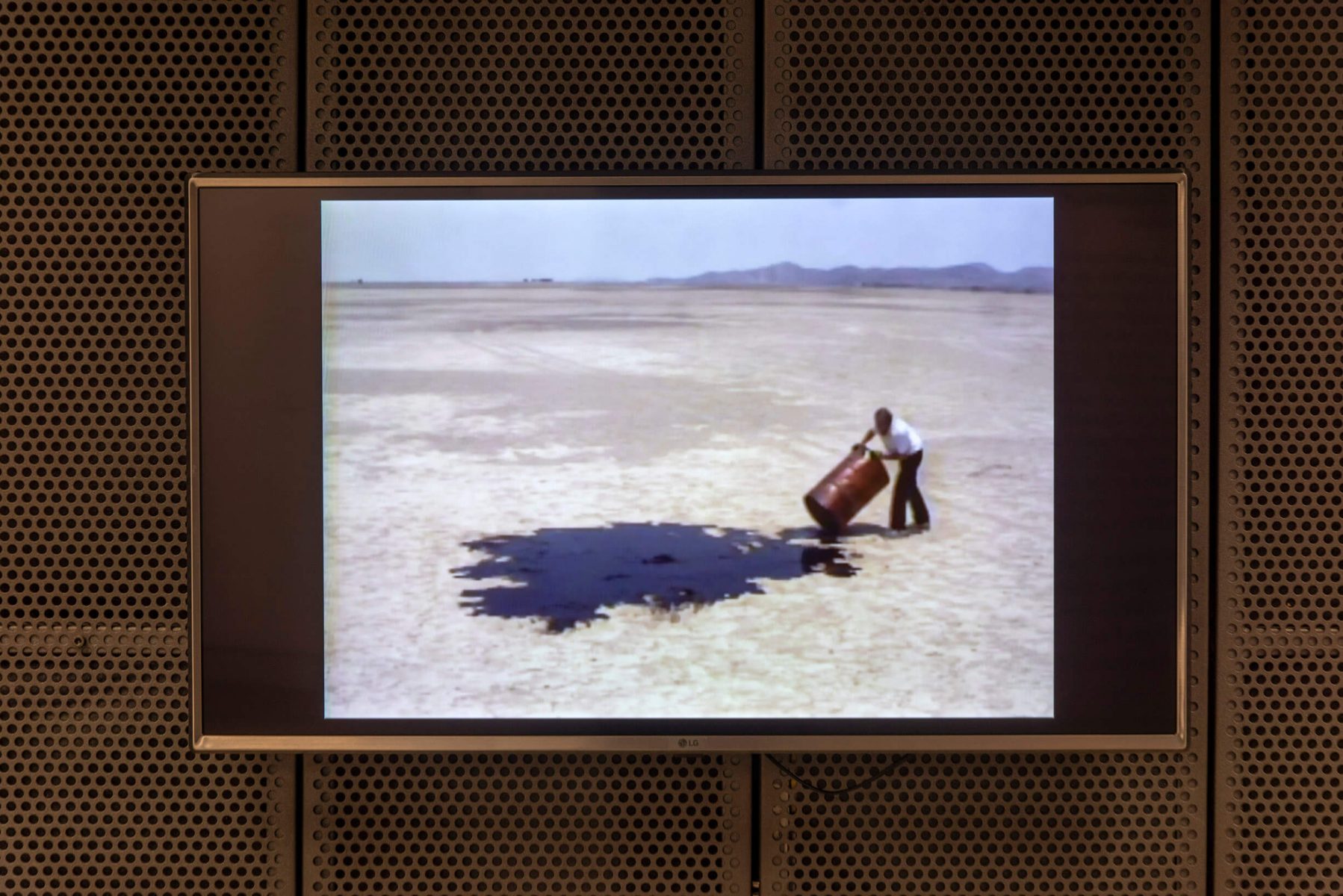
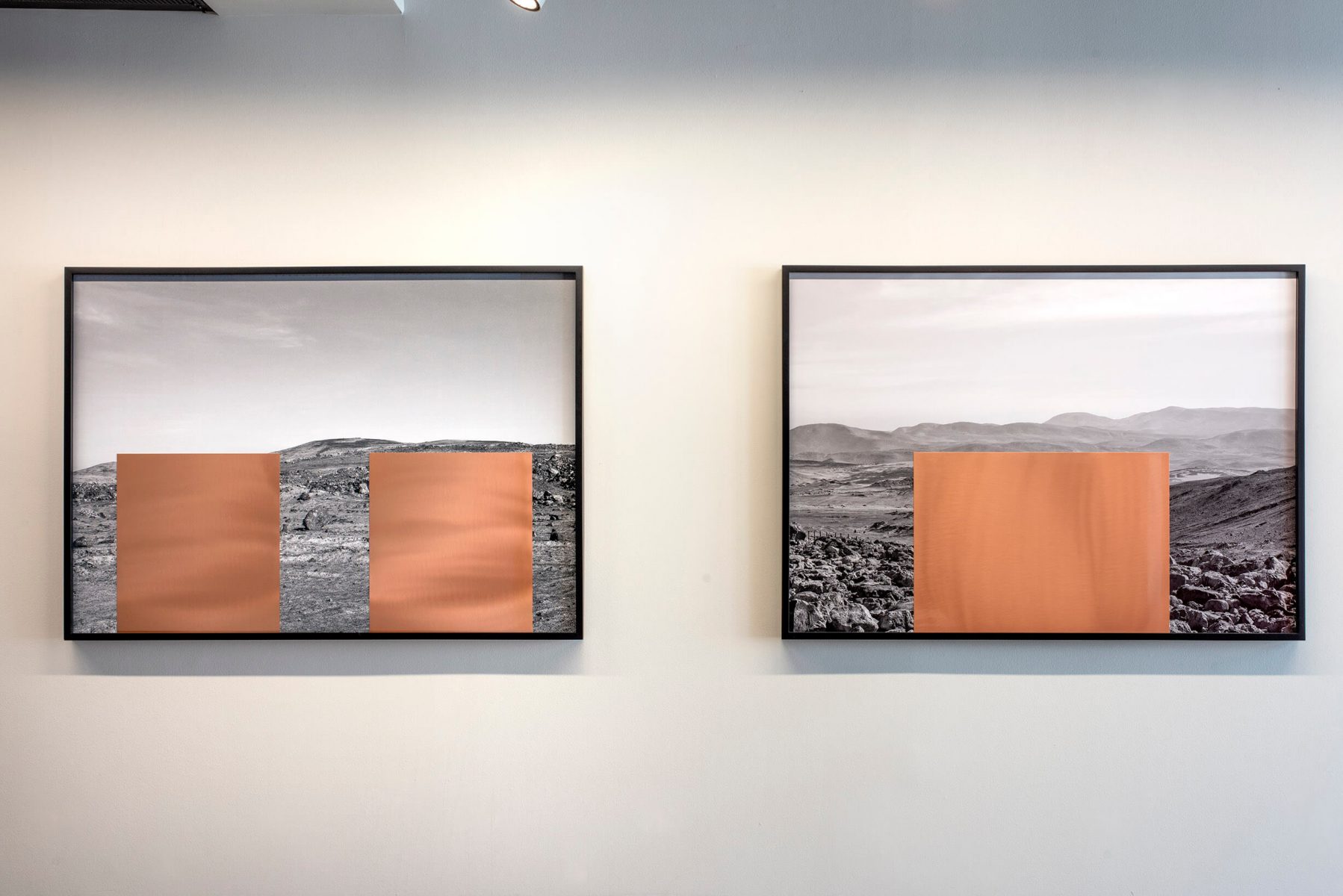
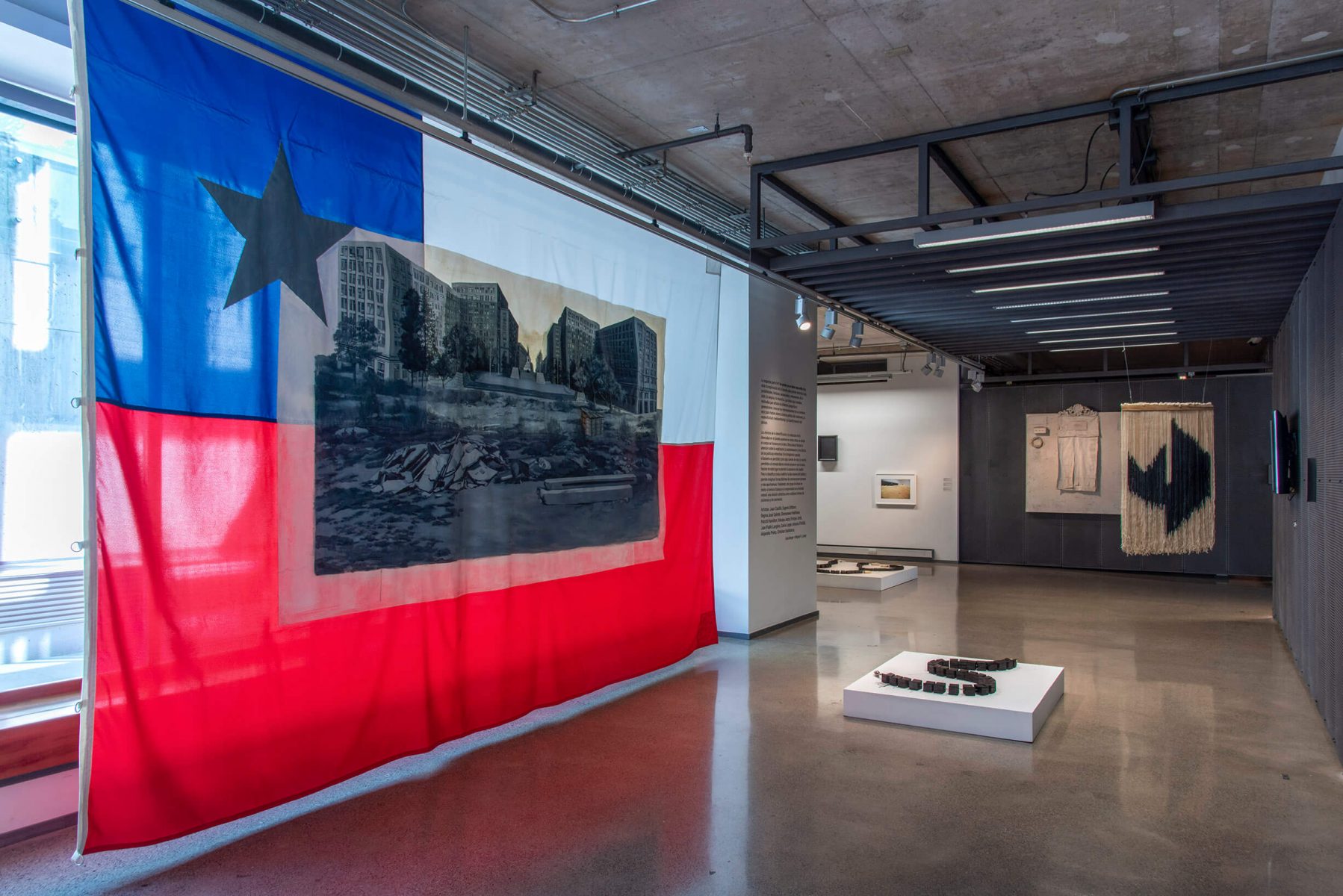
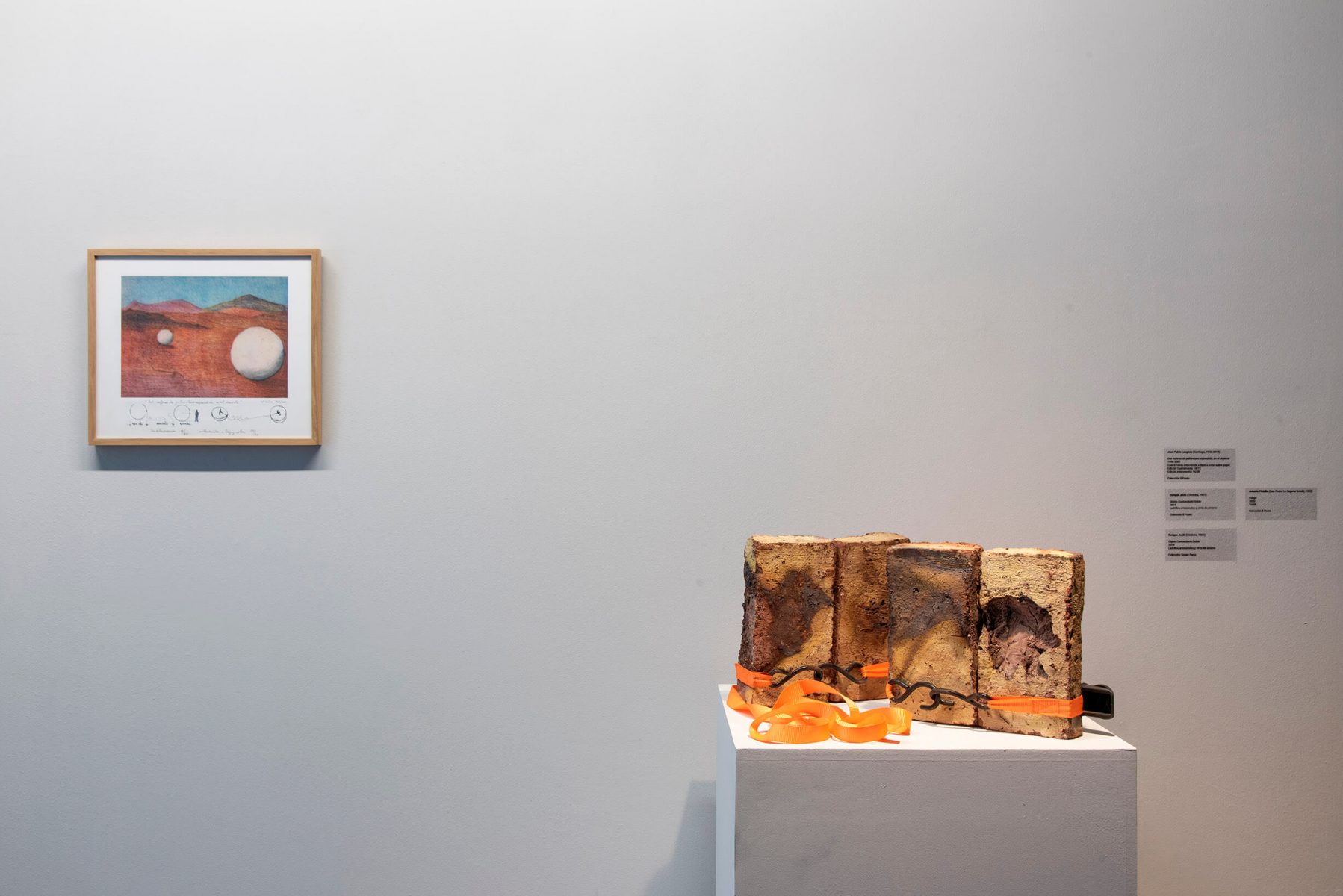
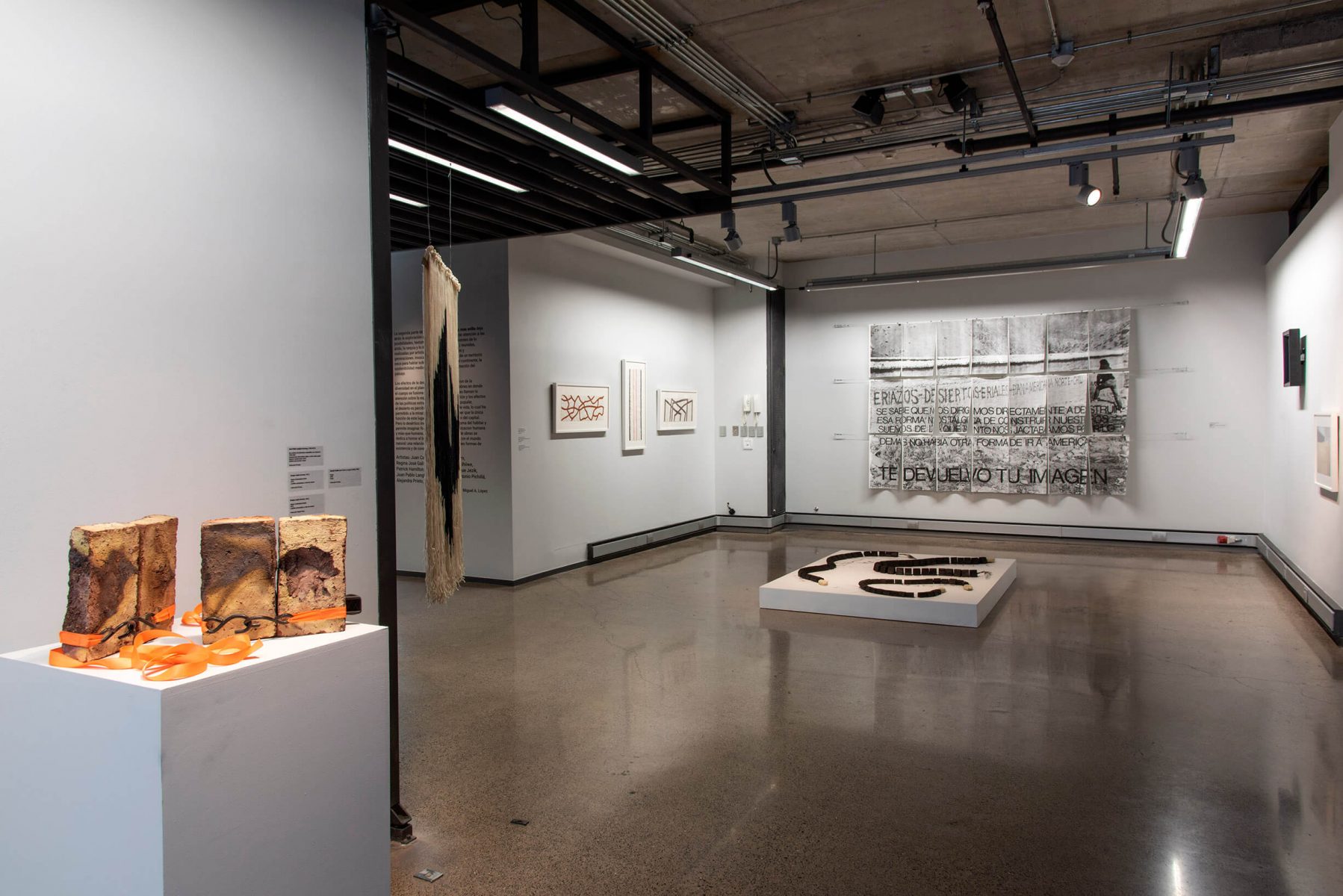
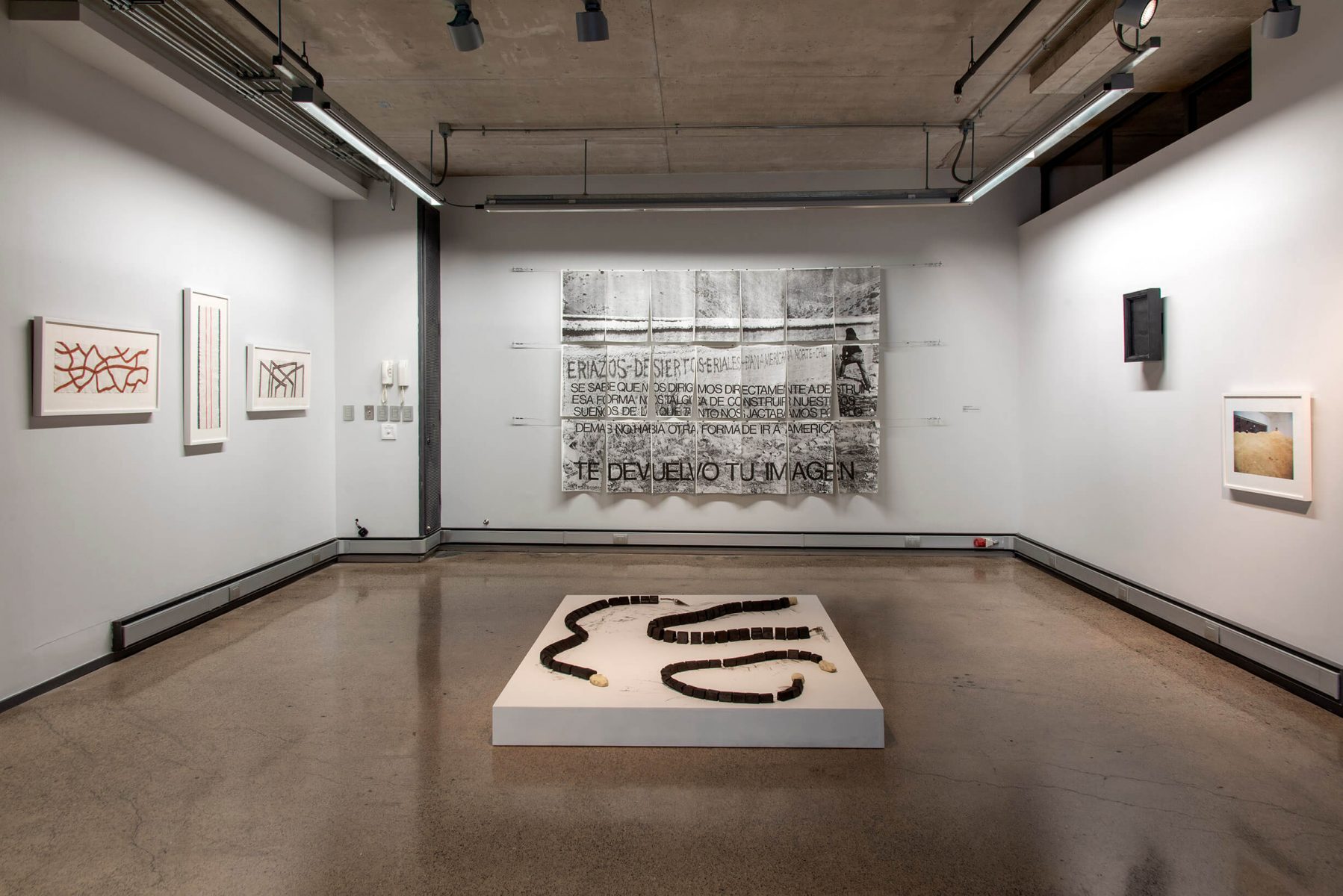
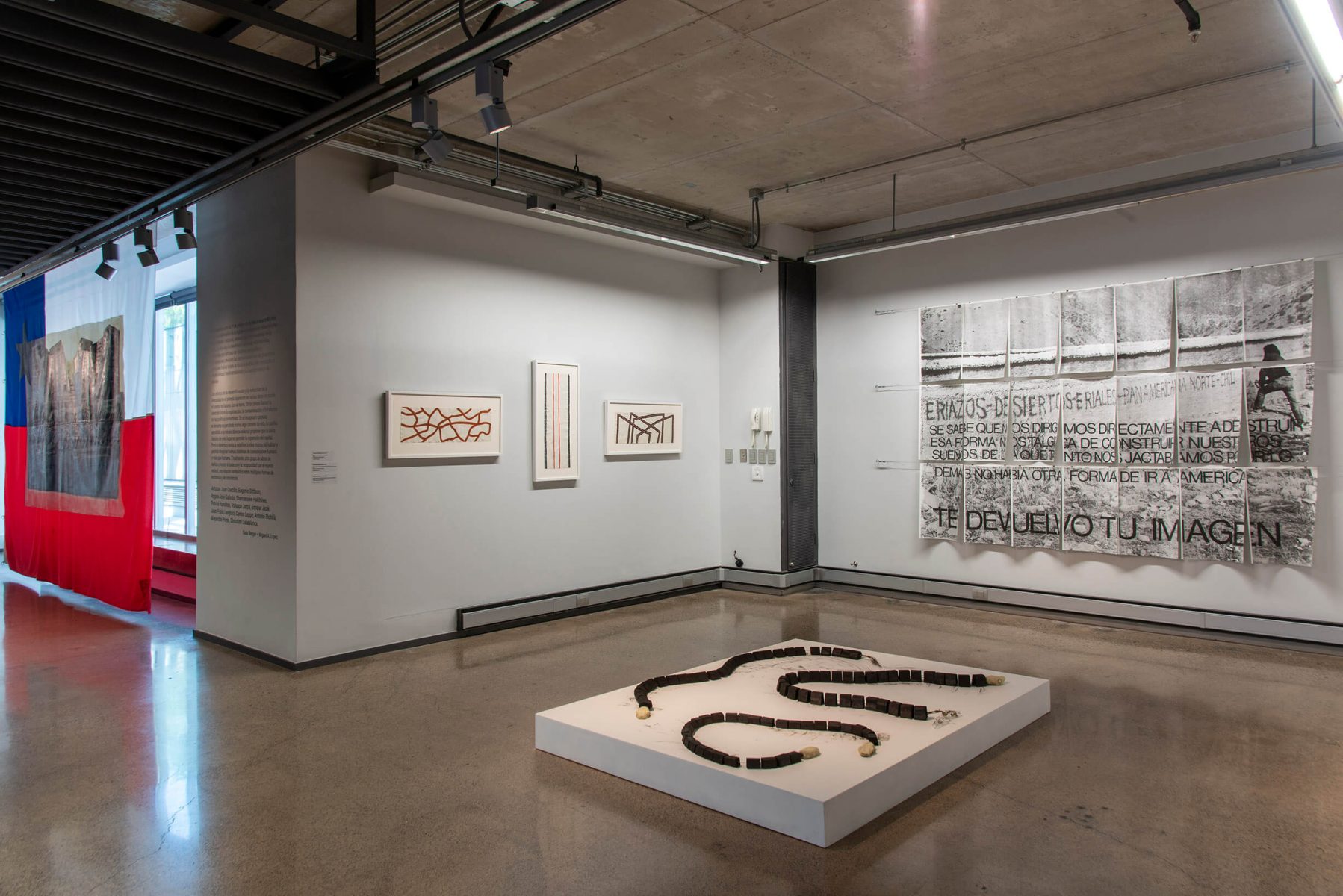
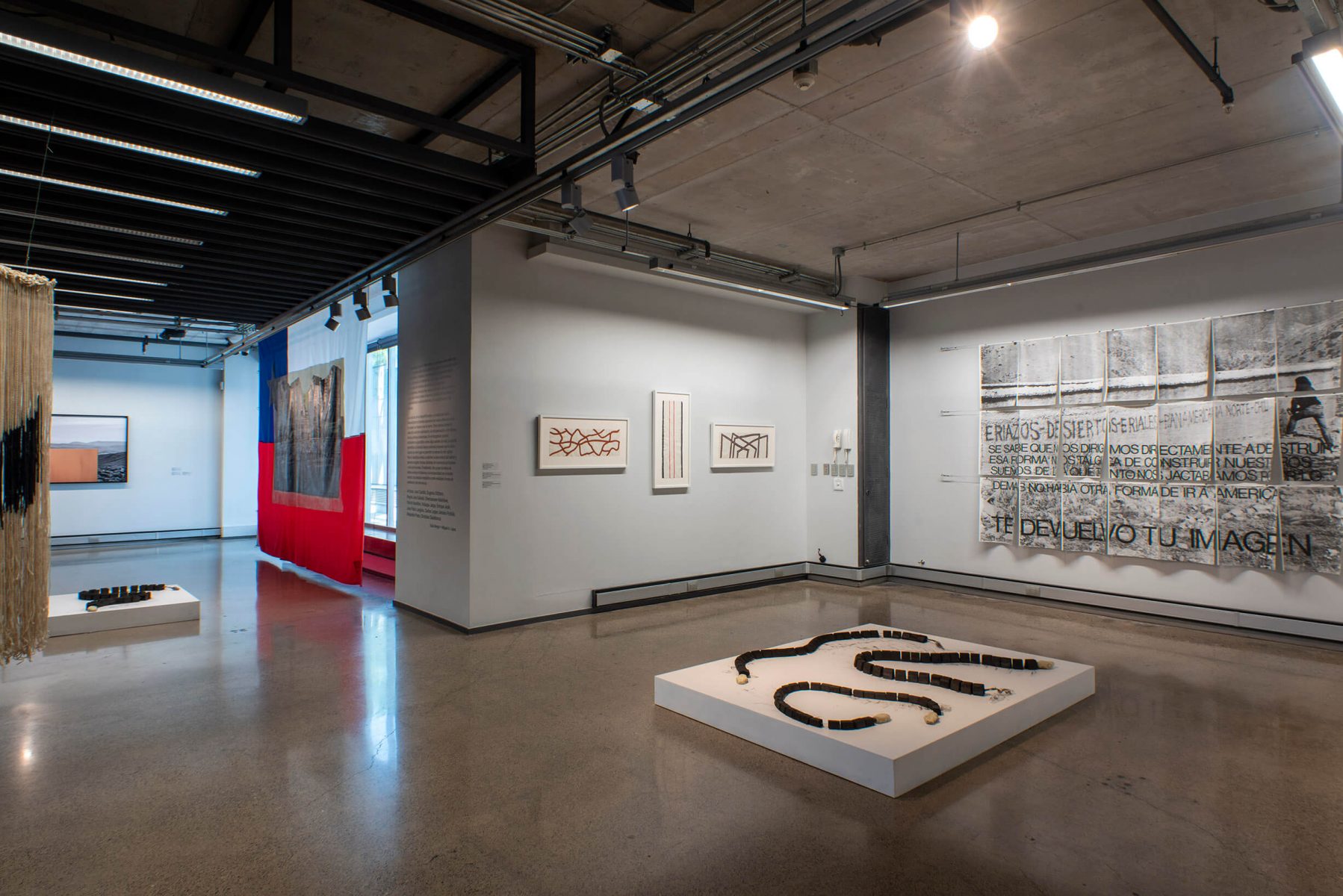
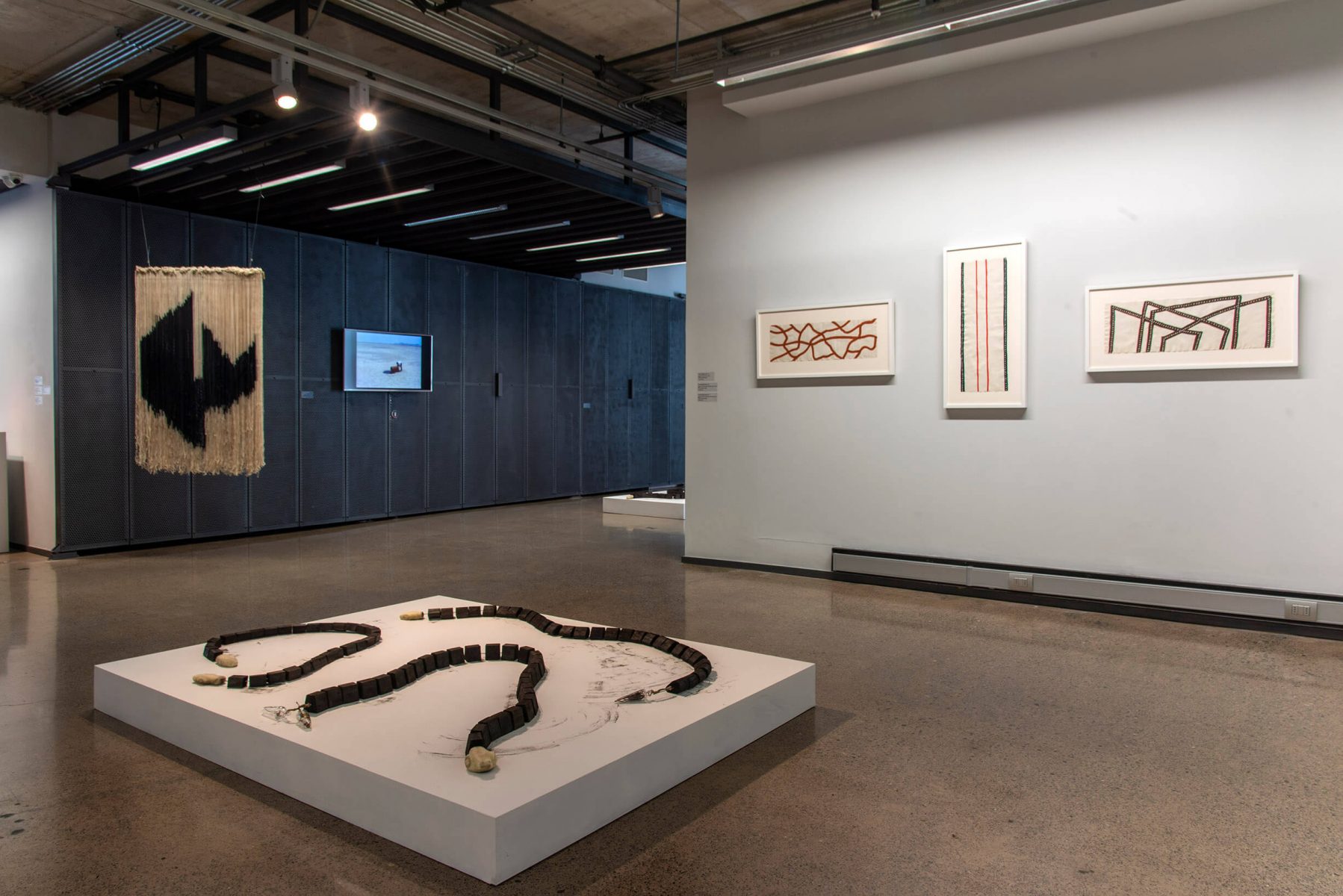
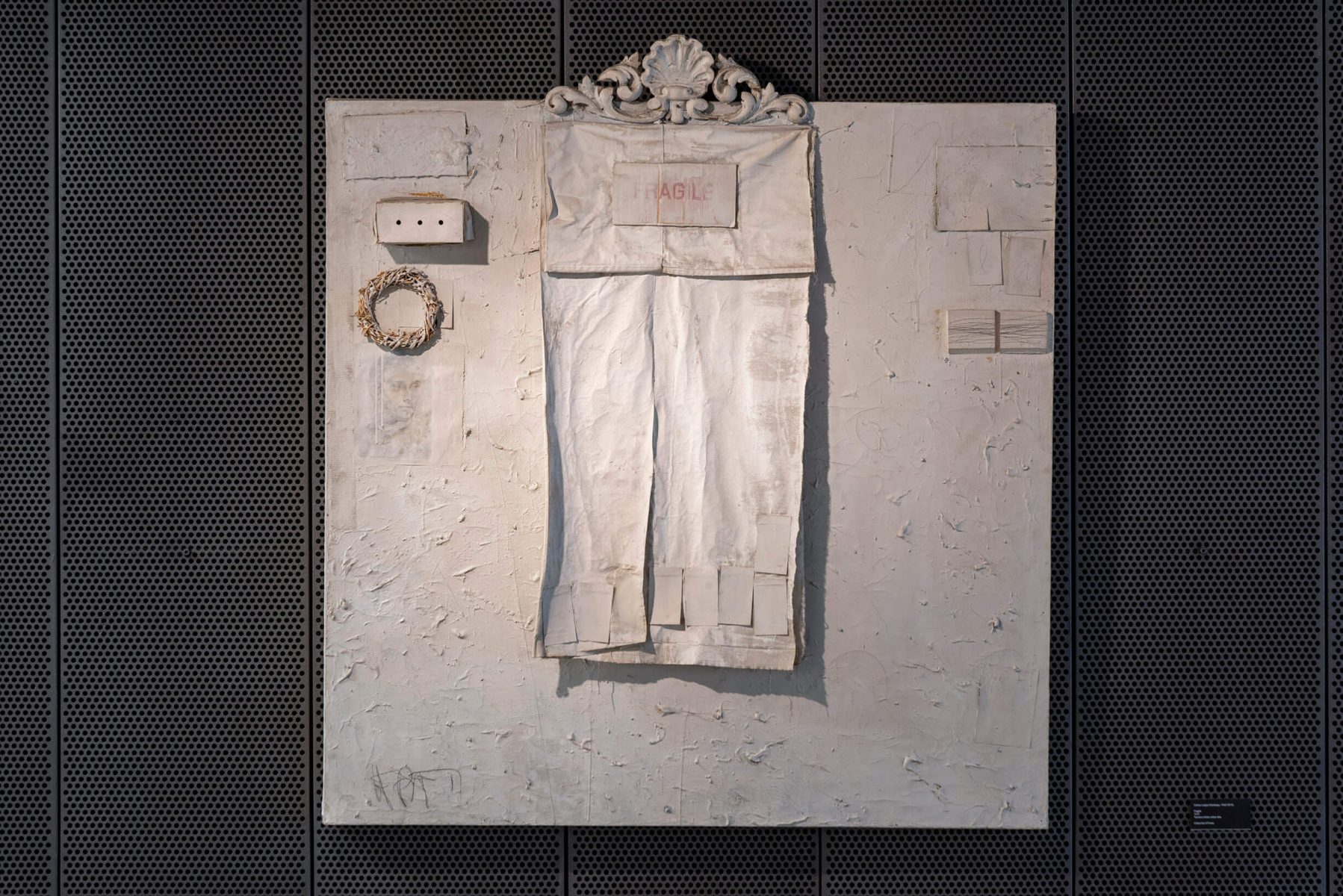
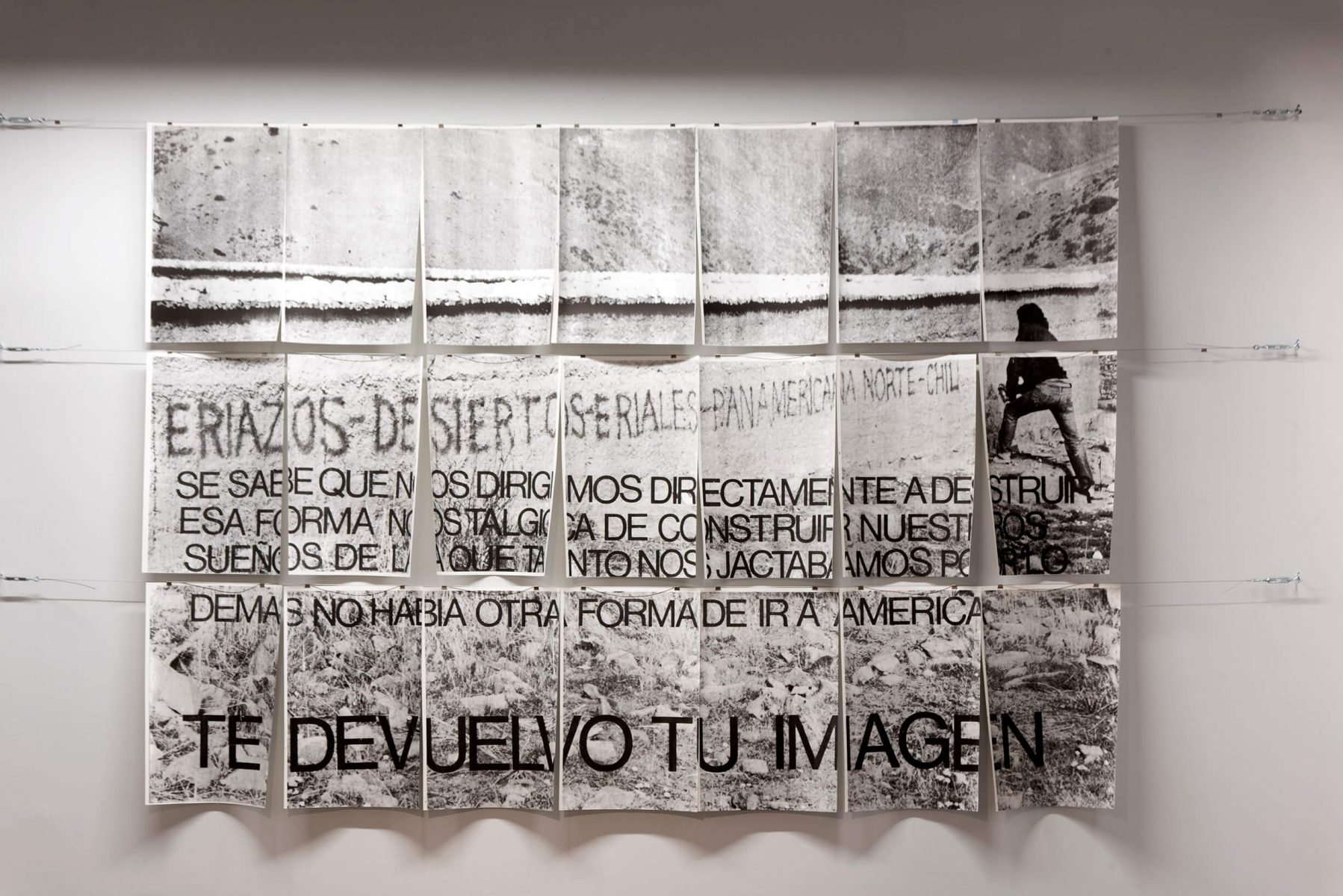
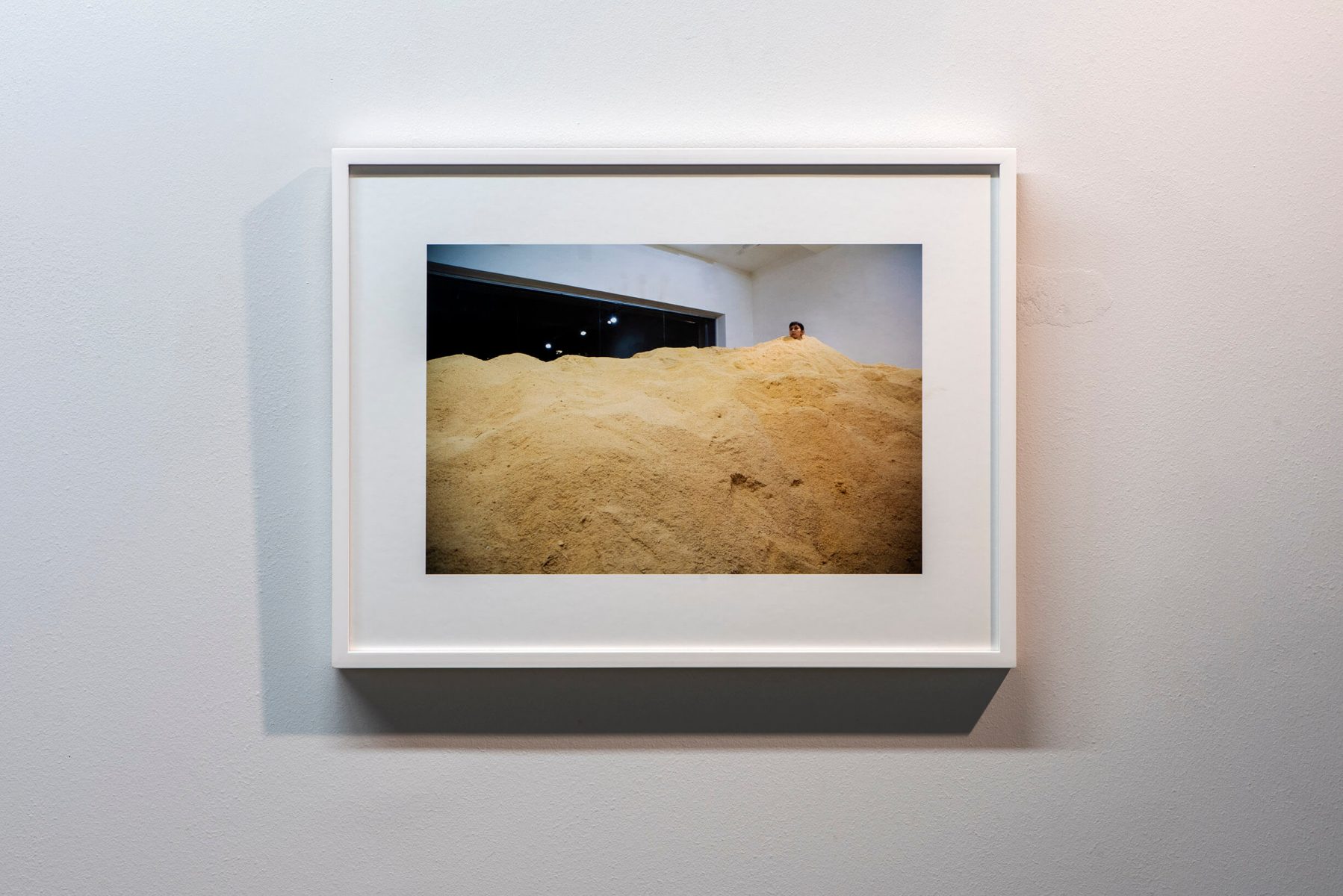
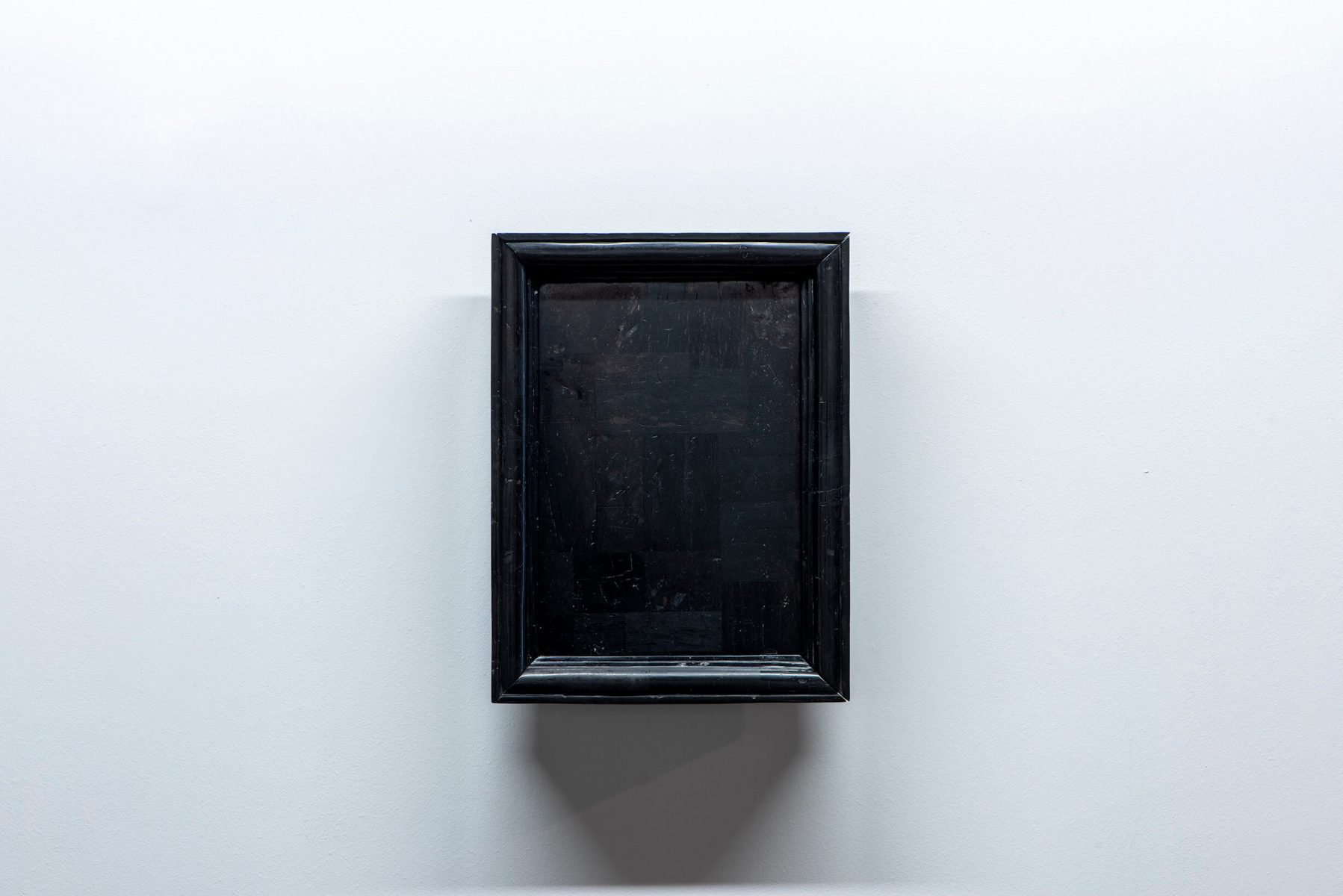
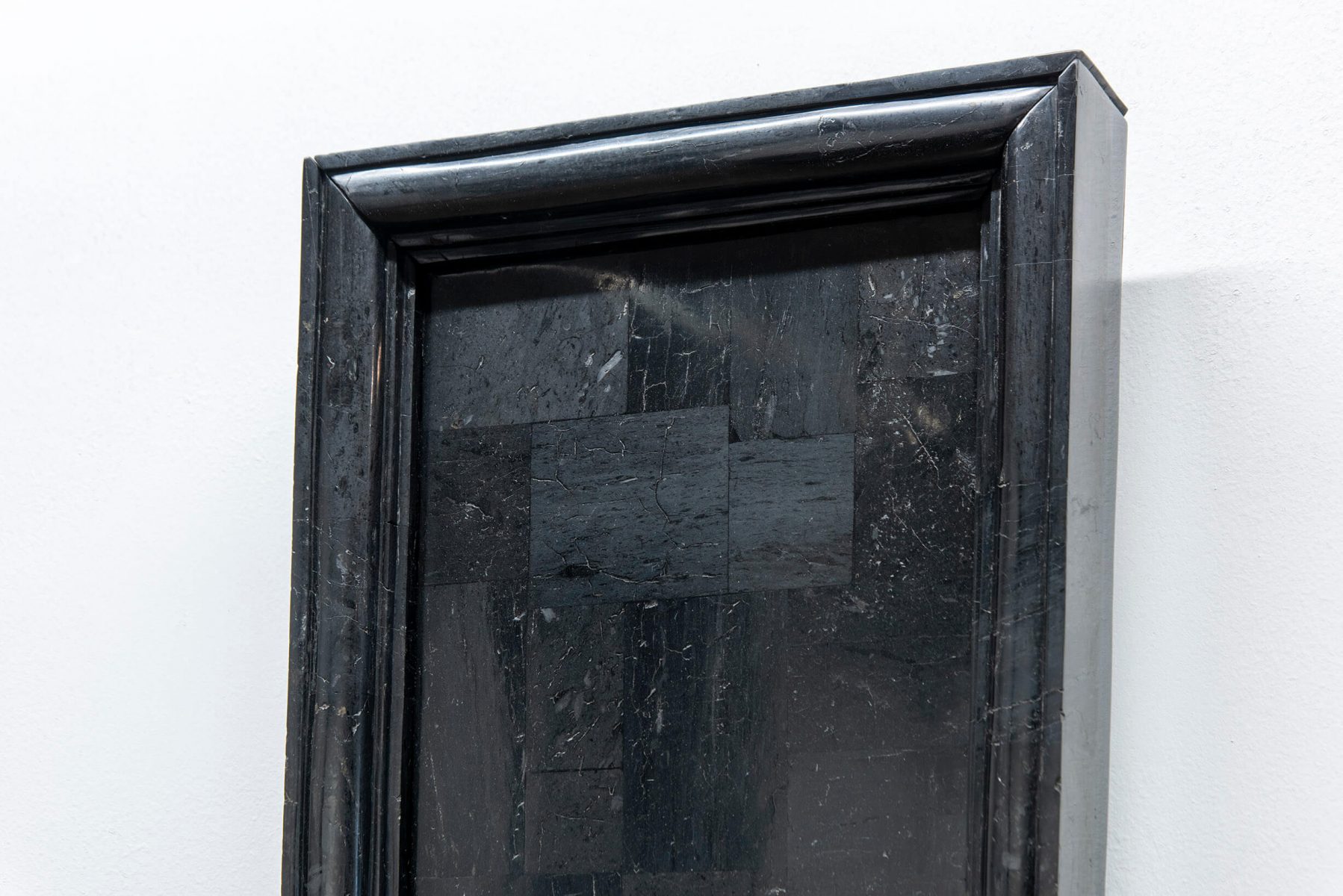
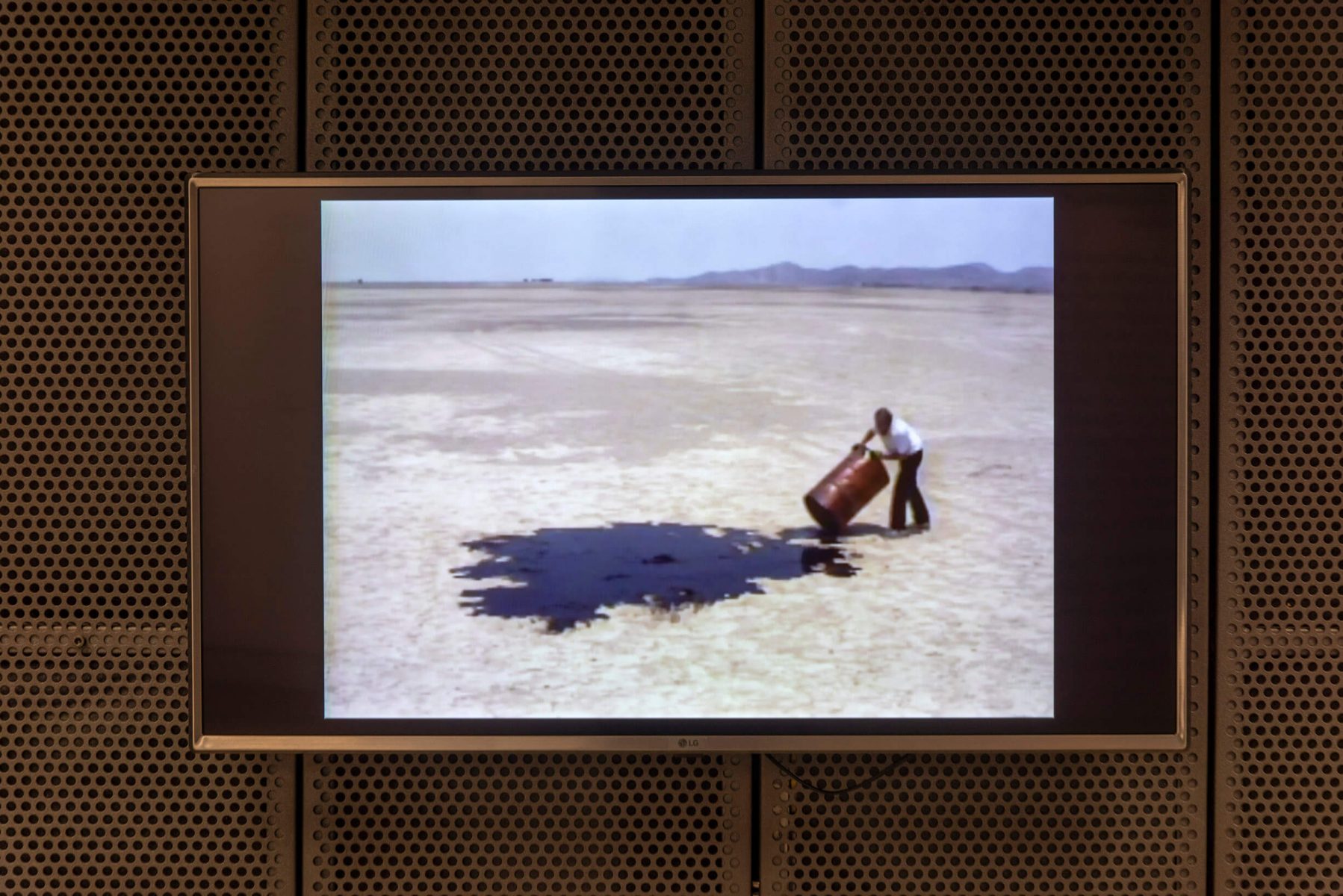
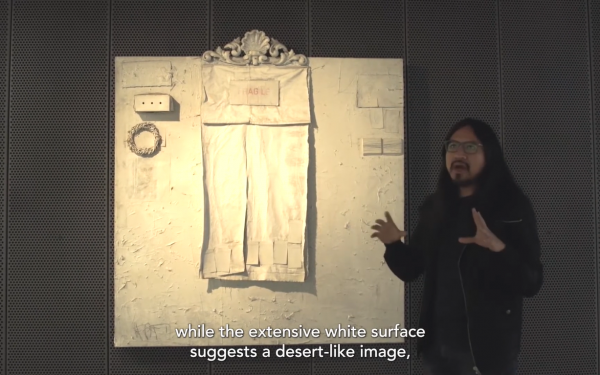
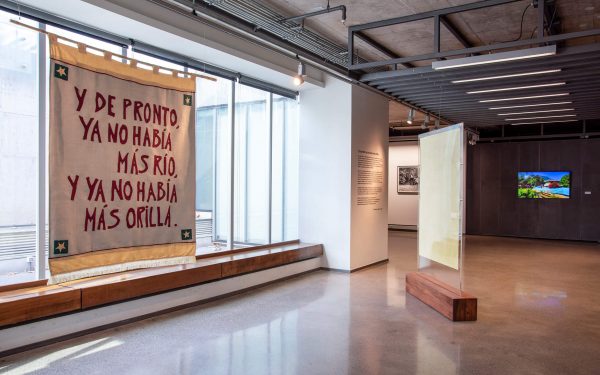
The second part of And suddenly there was no more shore... behind explores the possibilities, textures, sensations, and remnants of aridity, drought, and desertification. The works brought together here, created by artists from different geographical areas and generations, invoke representations of a dry territory to elaborate on the social memory of the continent, environmental sustainability, and the transformation of the landscape.
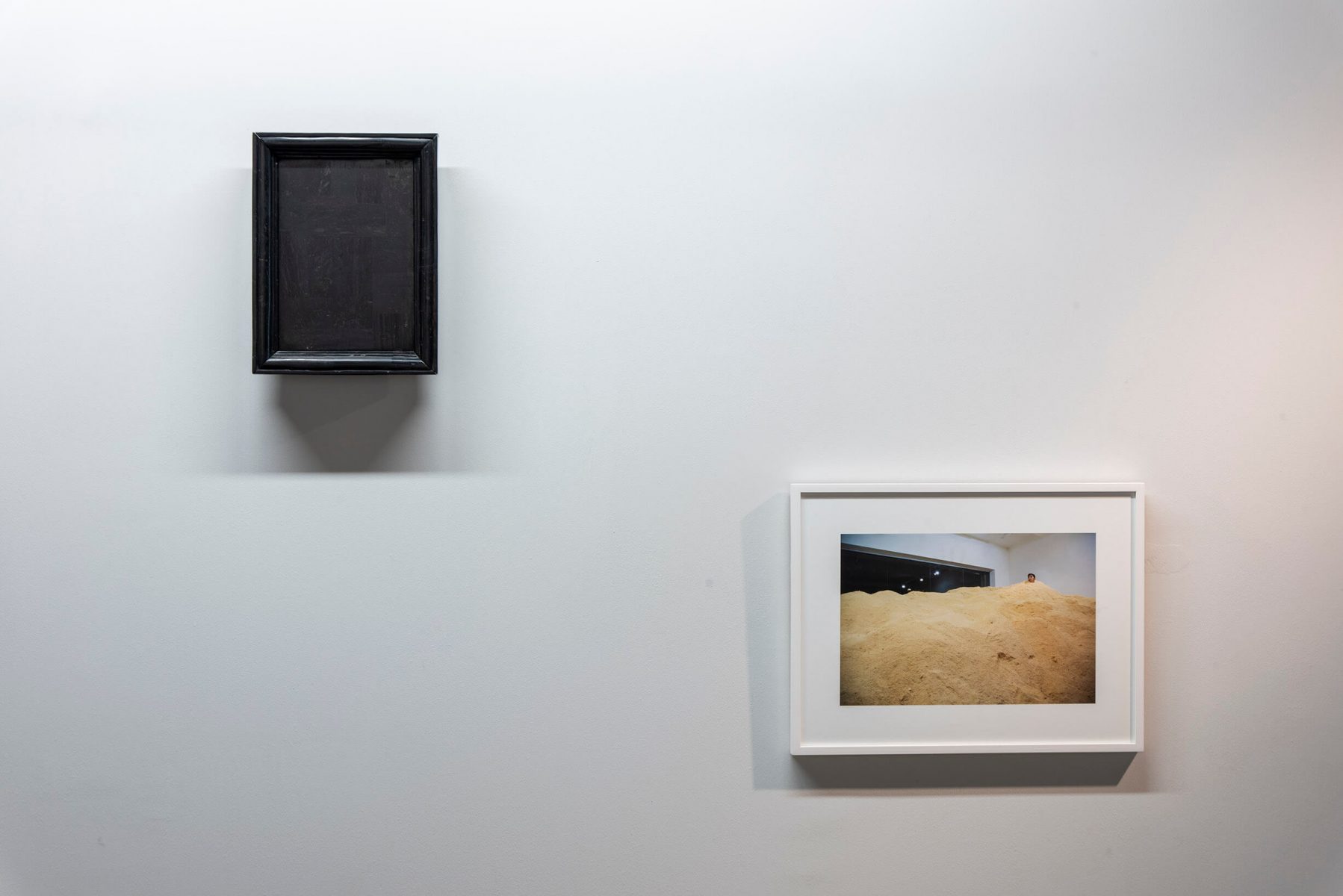
The effects of desertification and the reduction of diversity on the planet appear in several works where the body merges with the earth. Other pieces draw attention to exploitation, pollution, and the effects of extractive policies. In the popular imagination, the desert is perceived as lifeless, which has allowed the colonial gaze to propose that the only function of this place is to allow the expansion of capital. But the desert invites us to redefine the very idea of inhabiting and allows us to imagine different forms of human and more-than-human communication. Finally, another group of works is dedicated to honoring balance and reciprocity with the natural world: a symbiotic relationship between multiple forms of existence and consciousness.
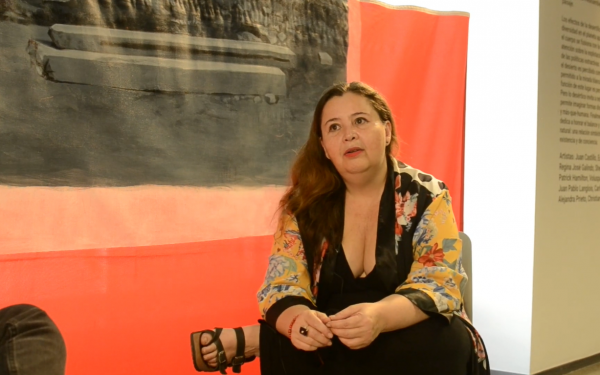
Artists: Juan Castillo, Eugenio Dittborn, Regina José Galindo, Sheroanawe Hakihiiwe, Patrick Hamilton, Voluspa Jarpa, Enrique Jezik, Juan Pablo Langlois, Carlos Leppe, Antonio Pichillá, Alejandra Prieto, Christian Salablanca.