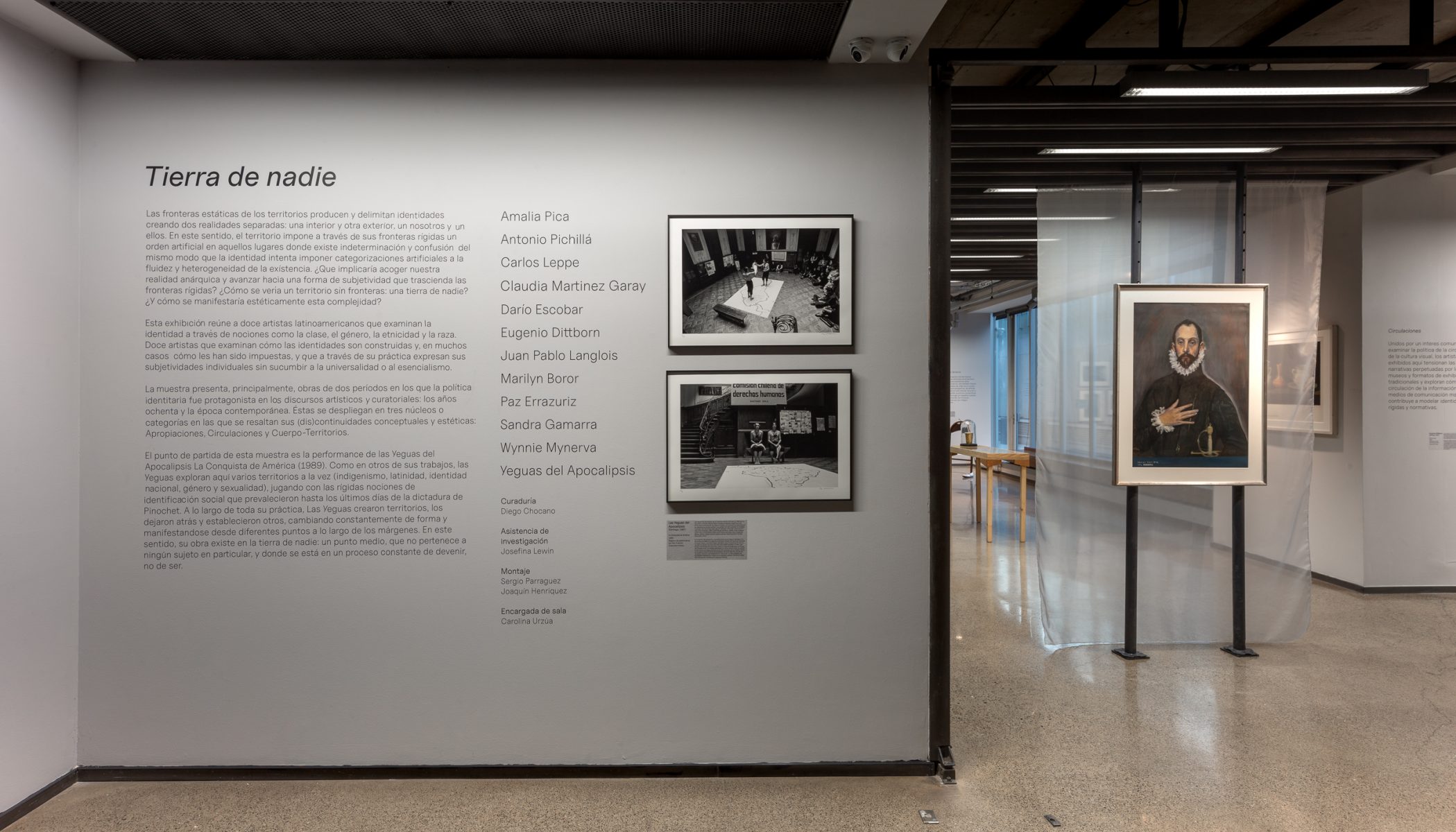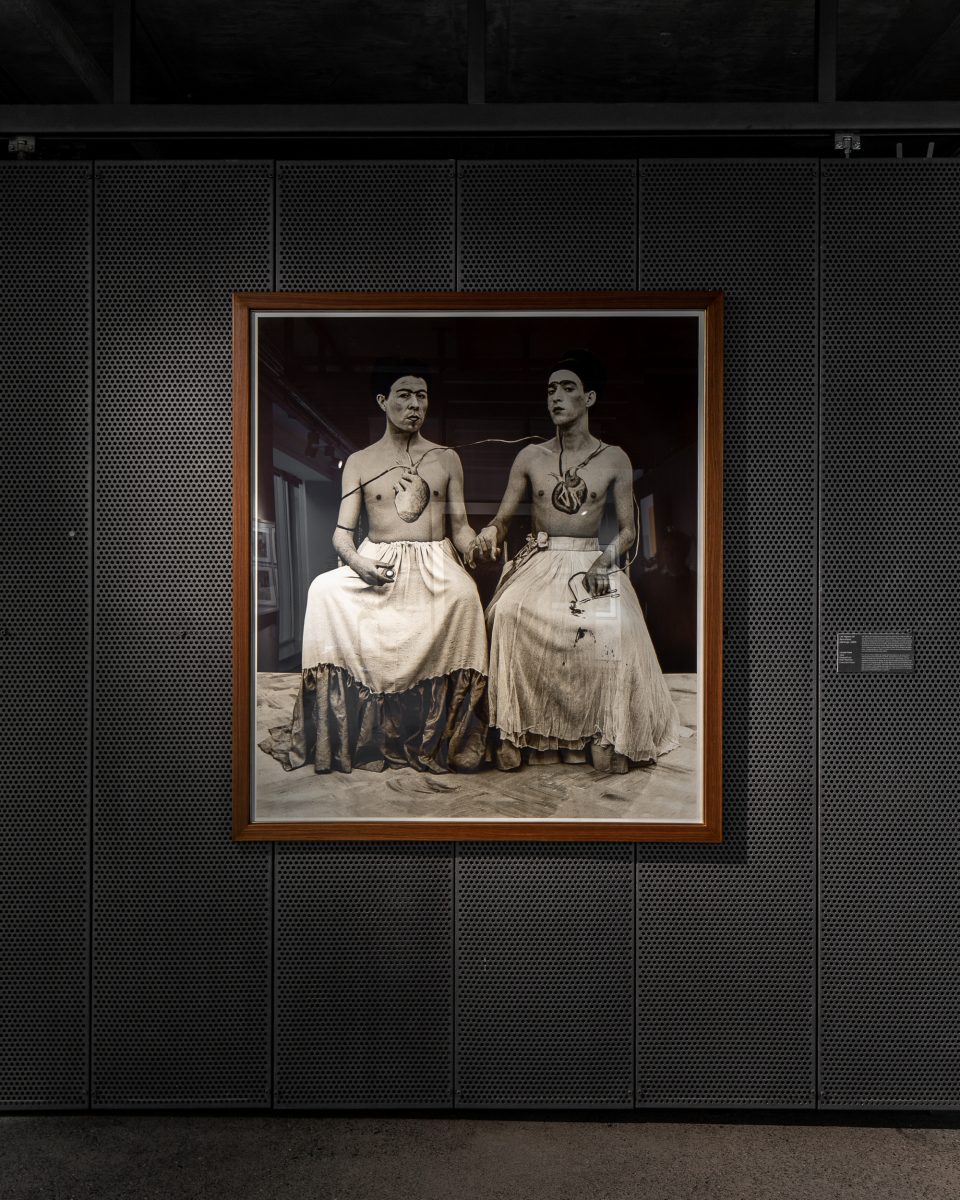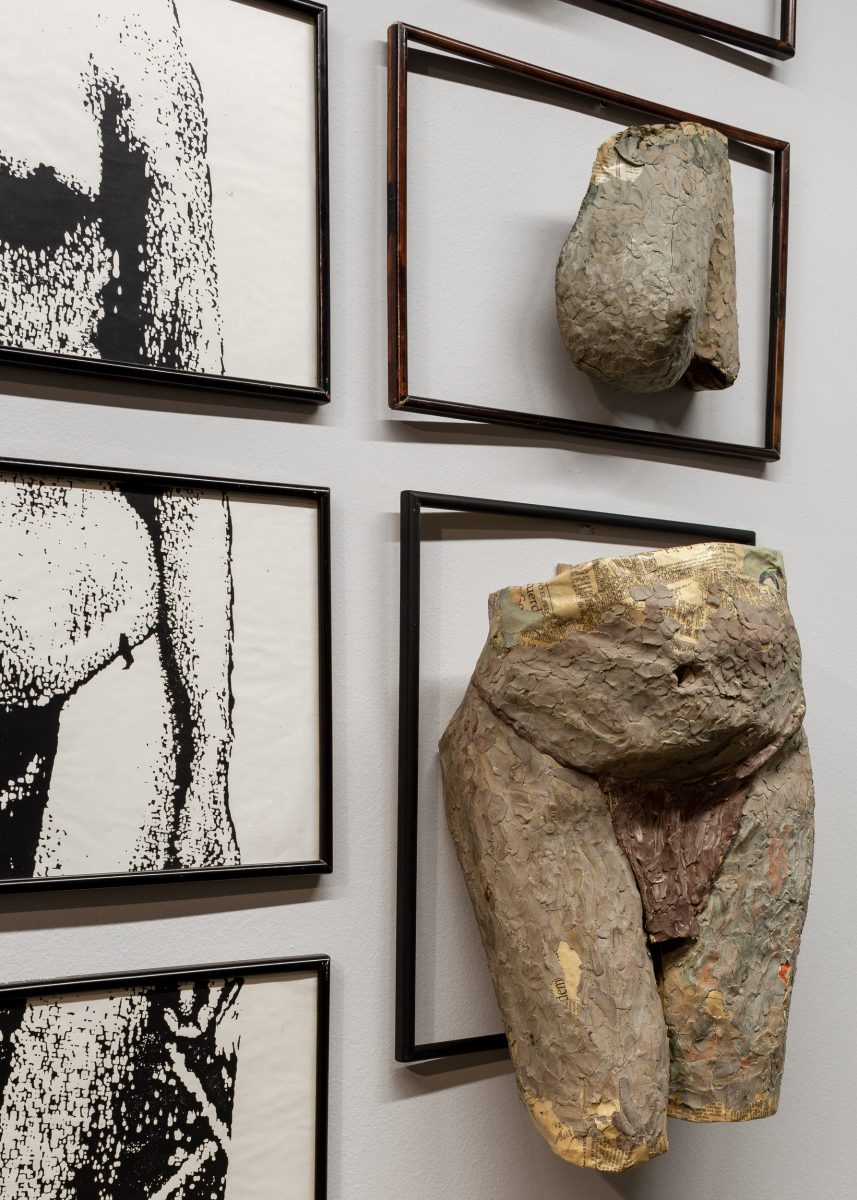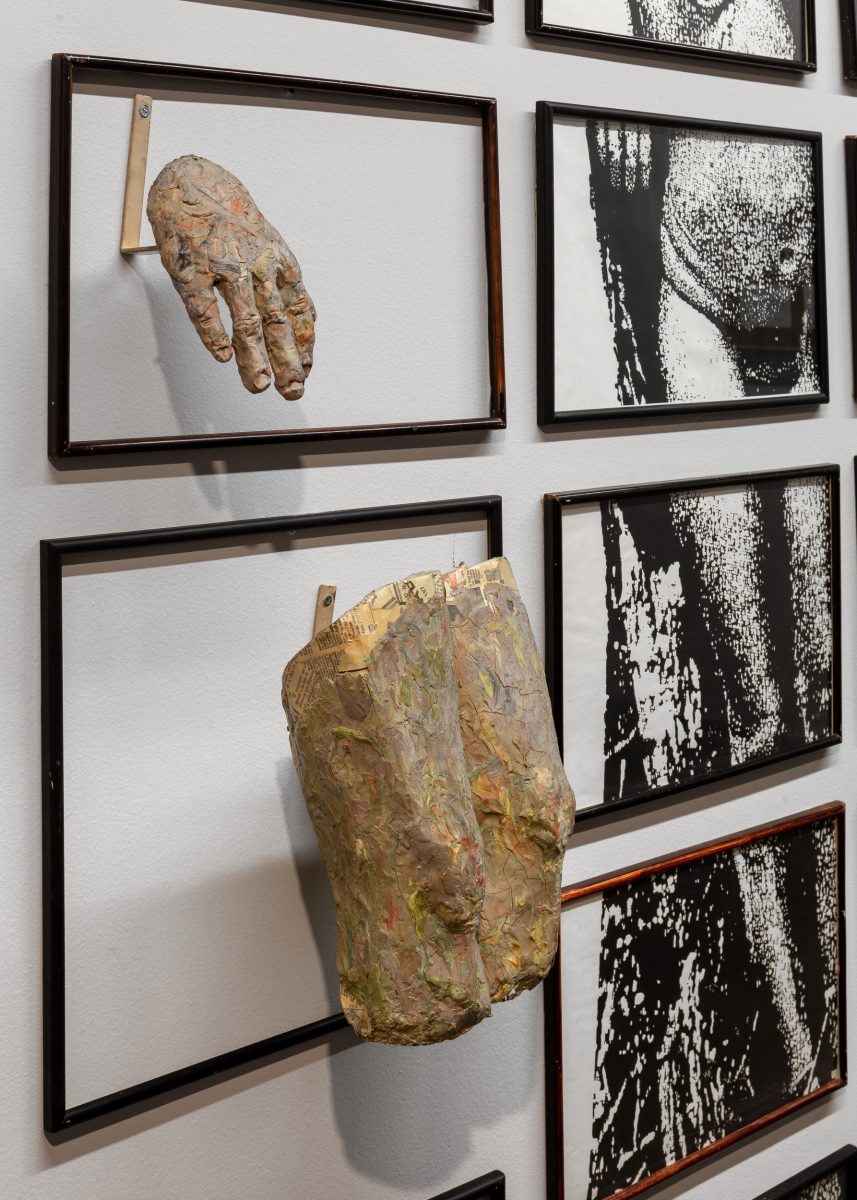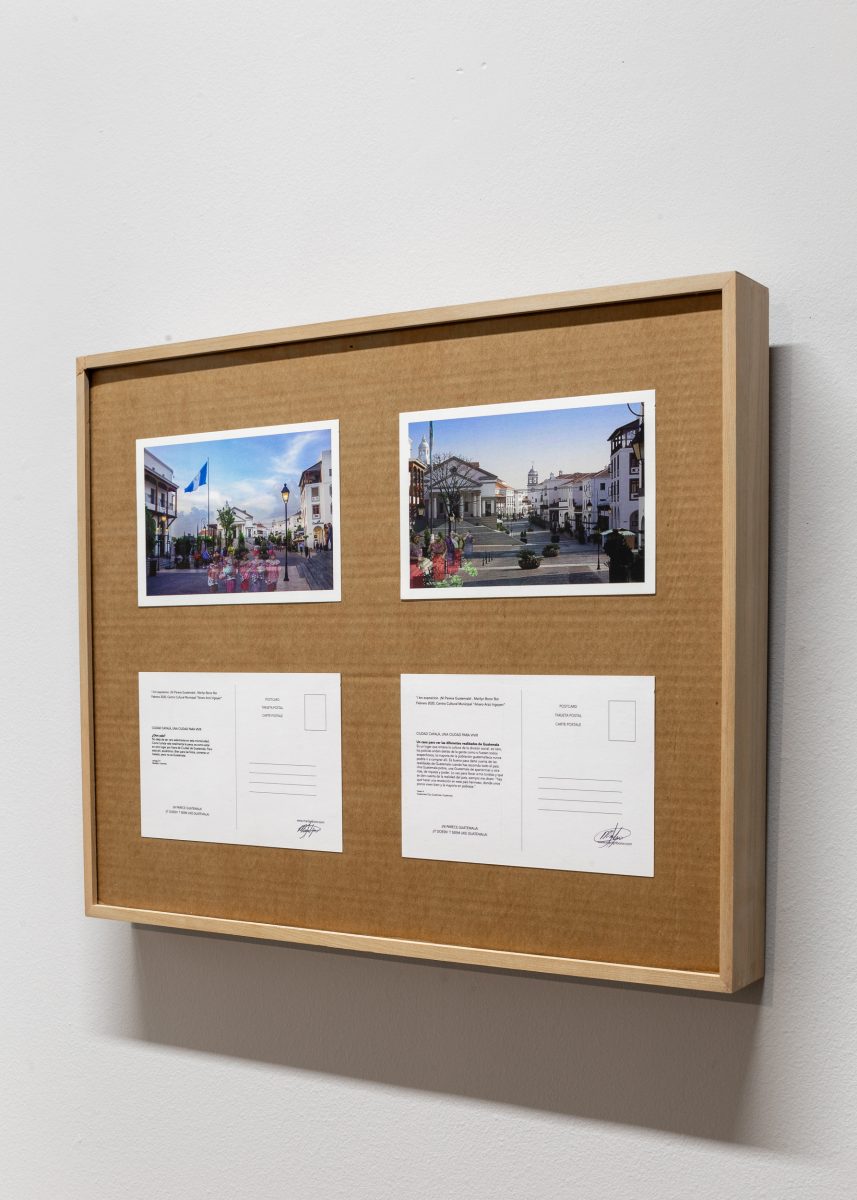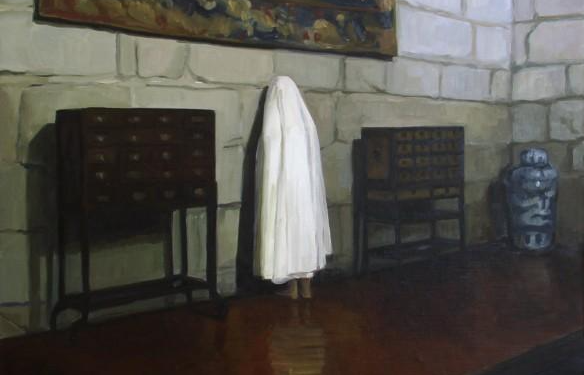
The static borders of territories produce and delimit identities, creating two separate realities: one internal and one external, an us and a them. In this sense, territory imposes an artificial order through its rigid borders in places where there is indeterminacy and confusion, just as identity attempts to impose artificial categorizations on the fluidity and heterogeneity of existence. What would it mean to embrace our anarchic reality and move toward a form of subjectivity that transcends rigid borders? What would a borderless territory look like: a no man’s land? And how would this complexity manifest itself aesthetically?
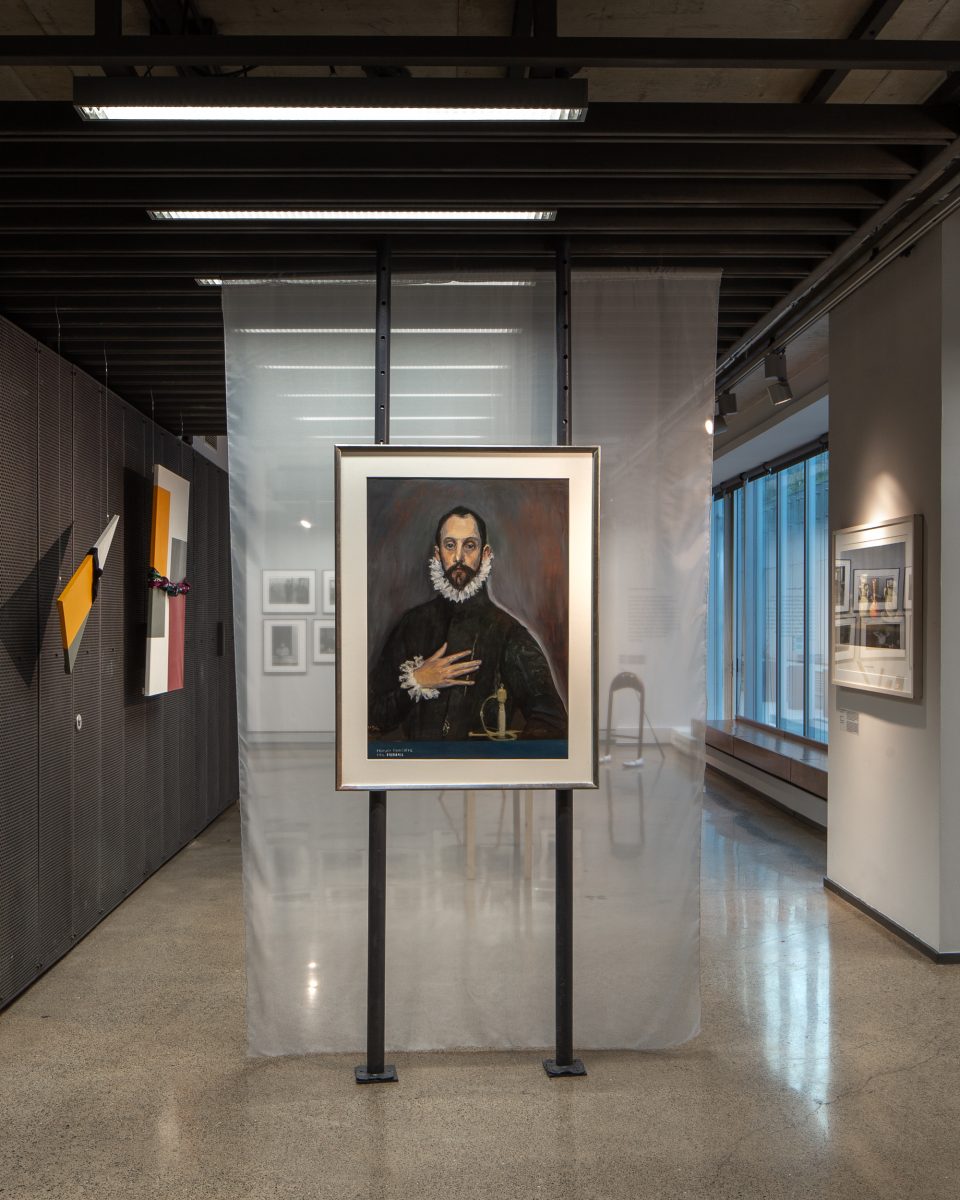
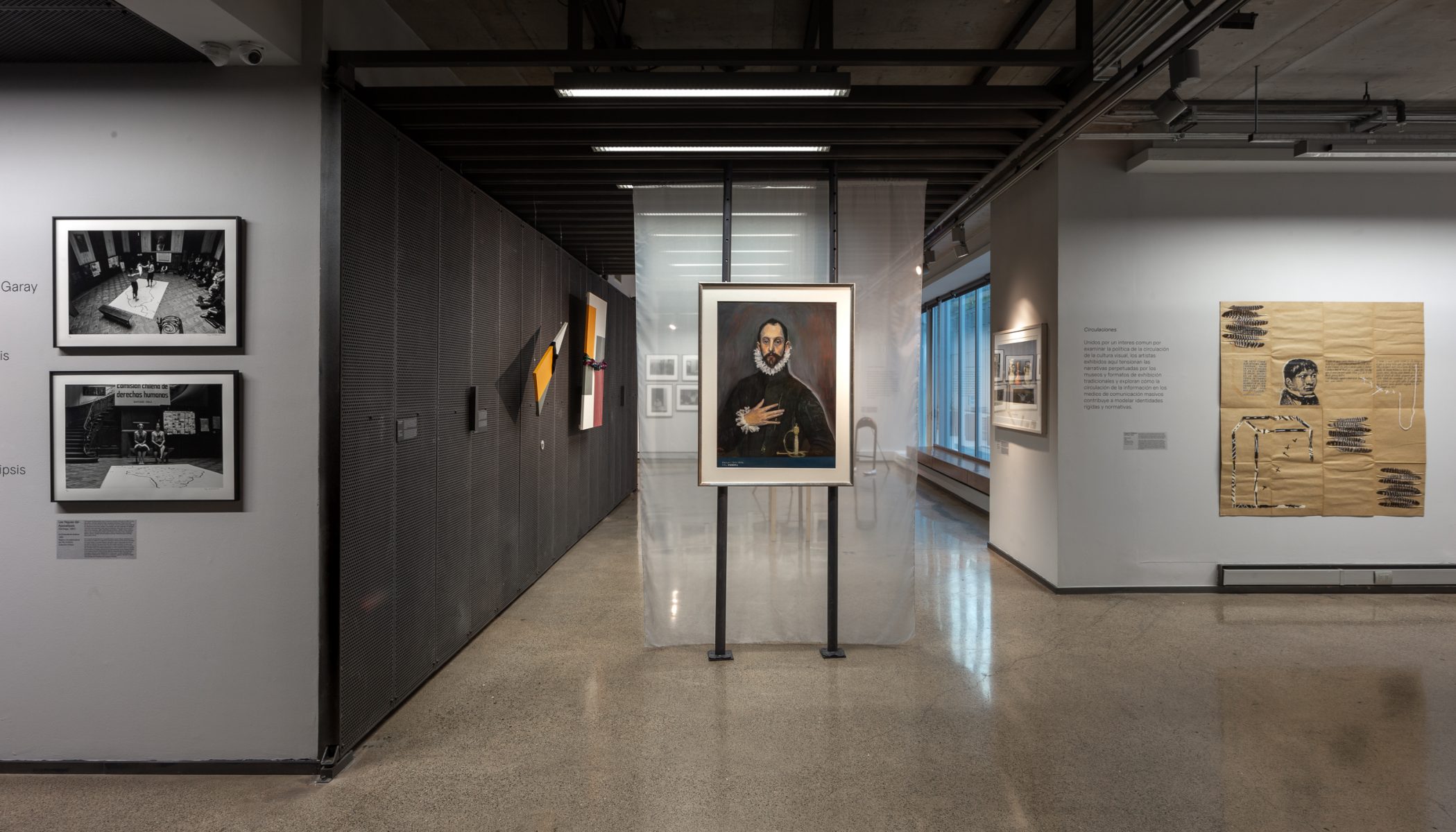
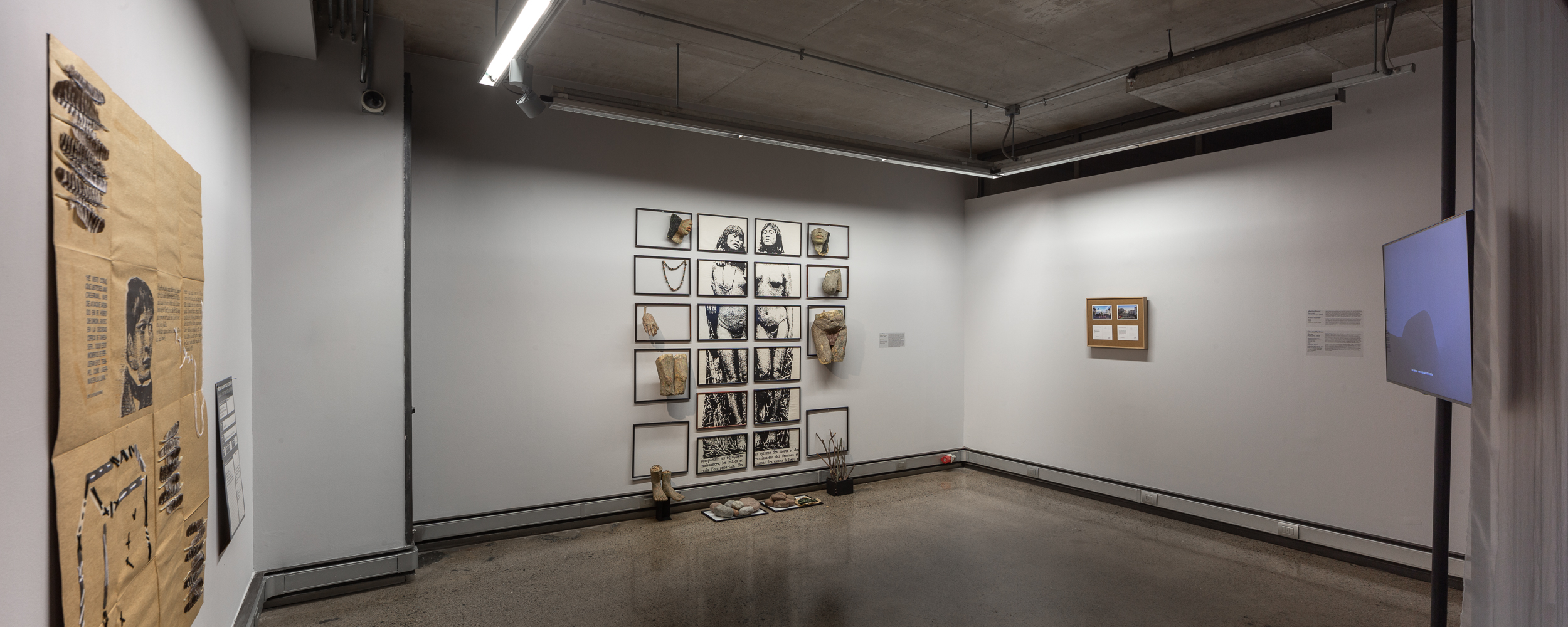
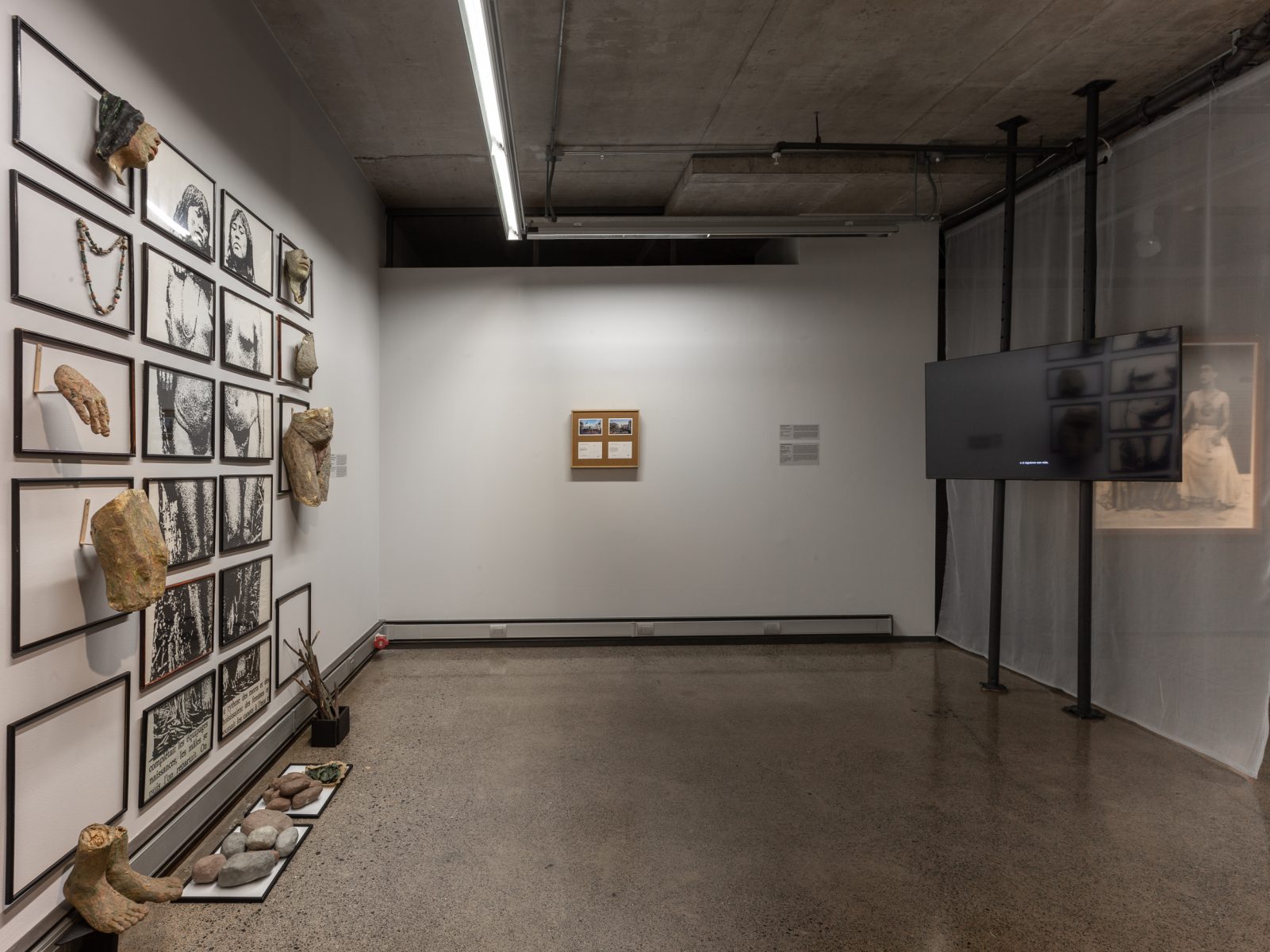
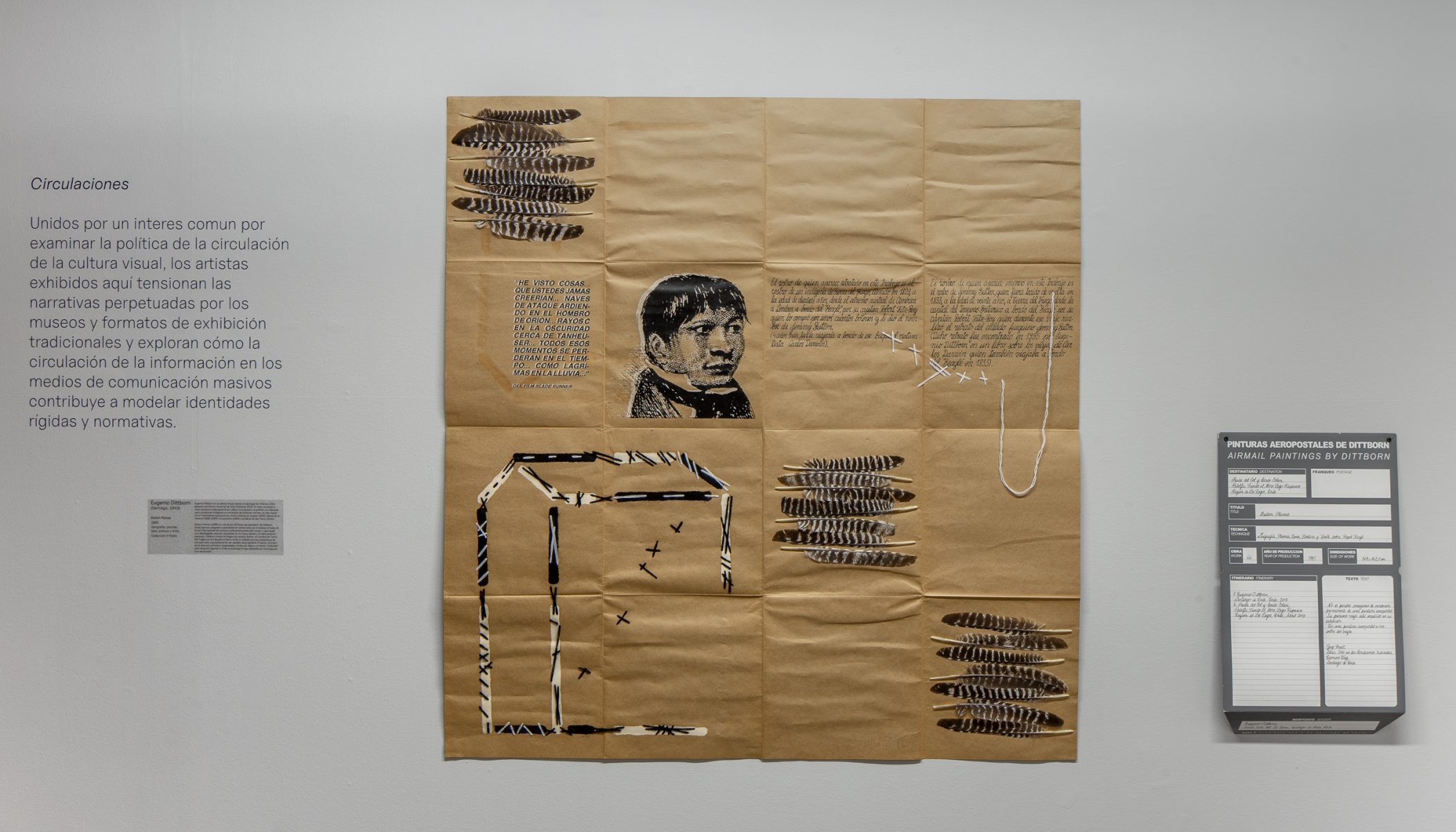
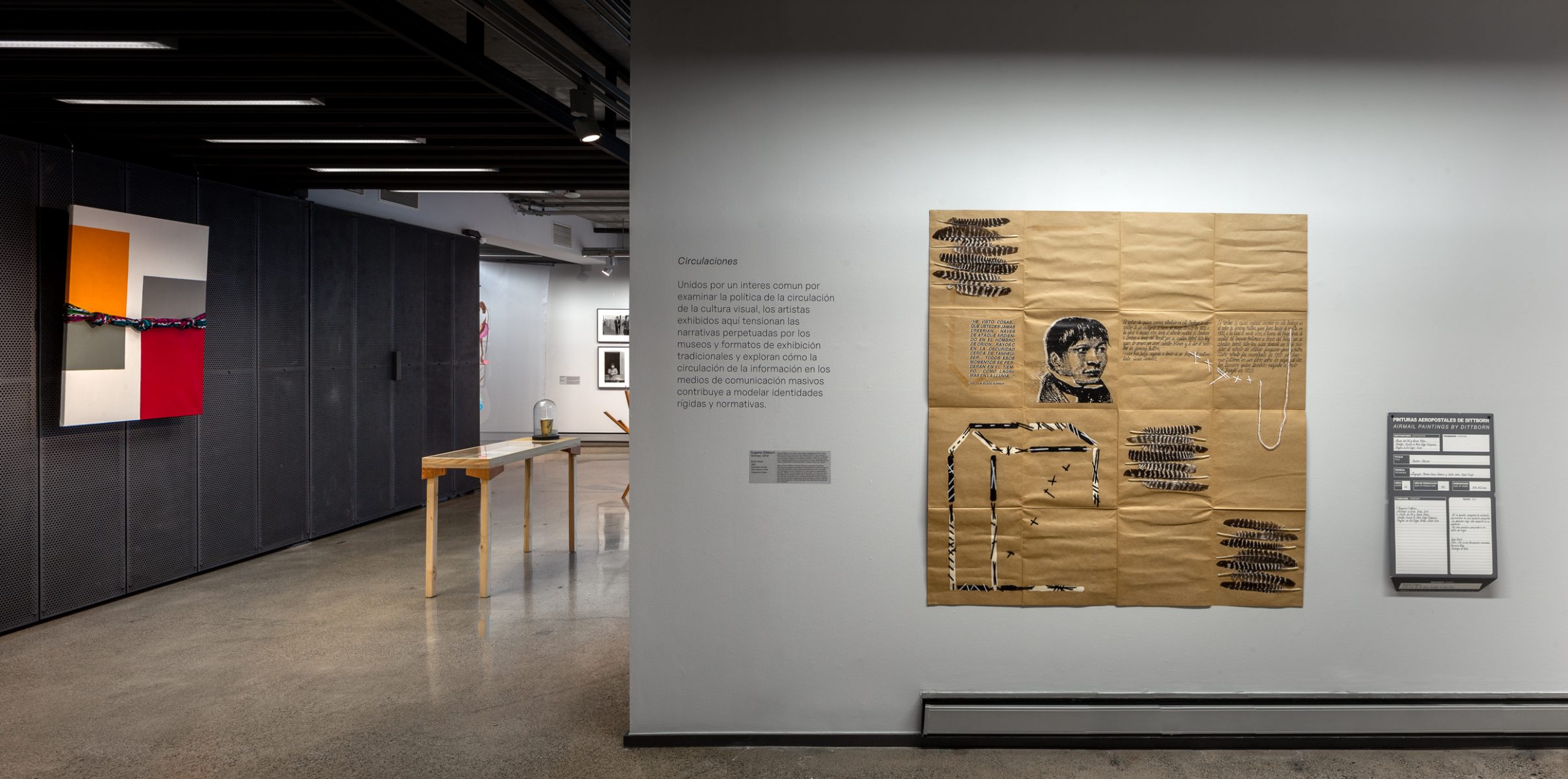
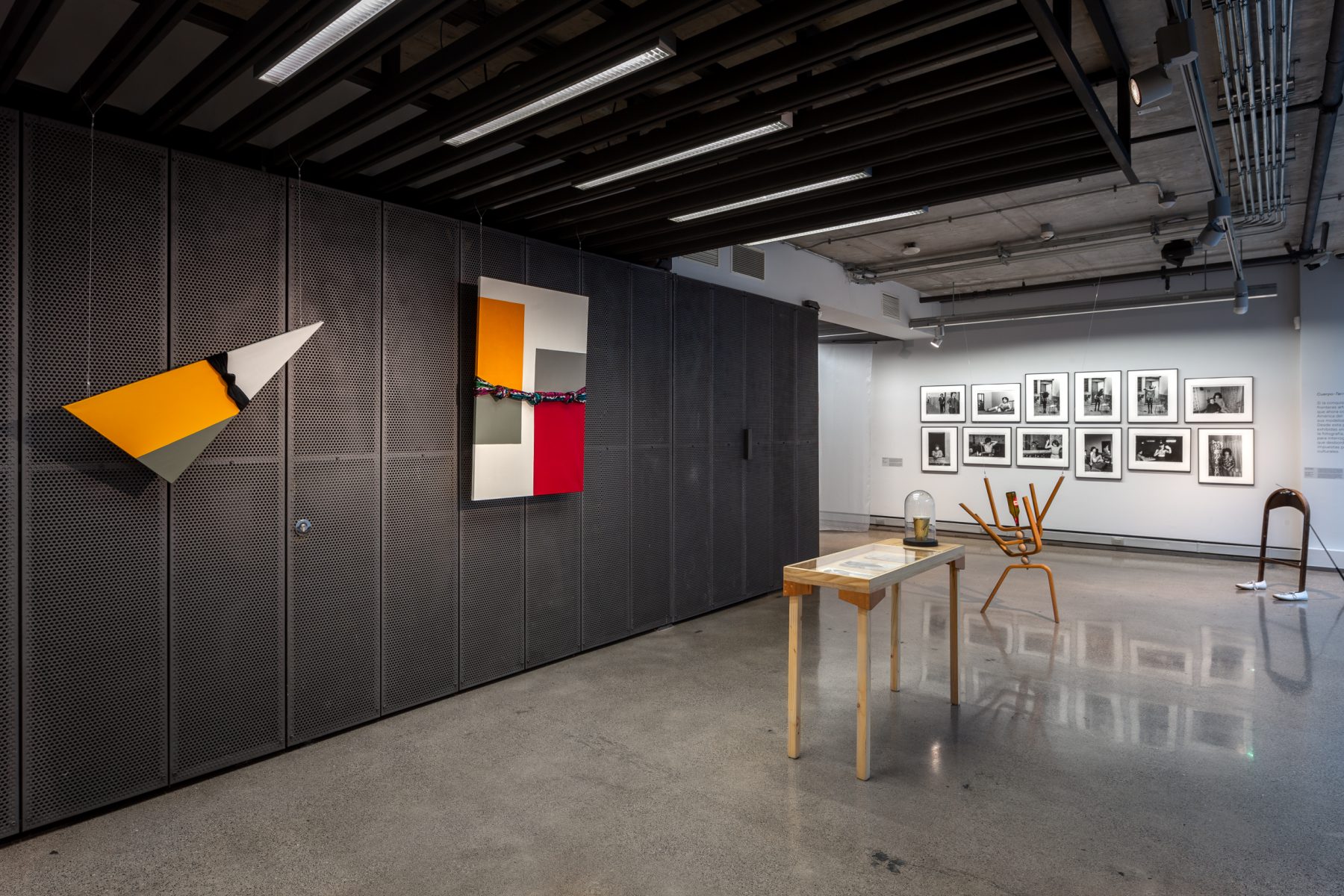
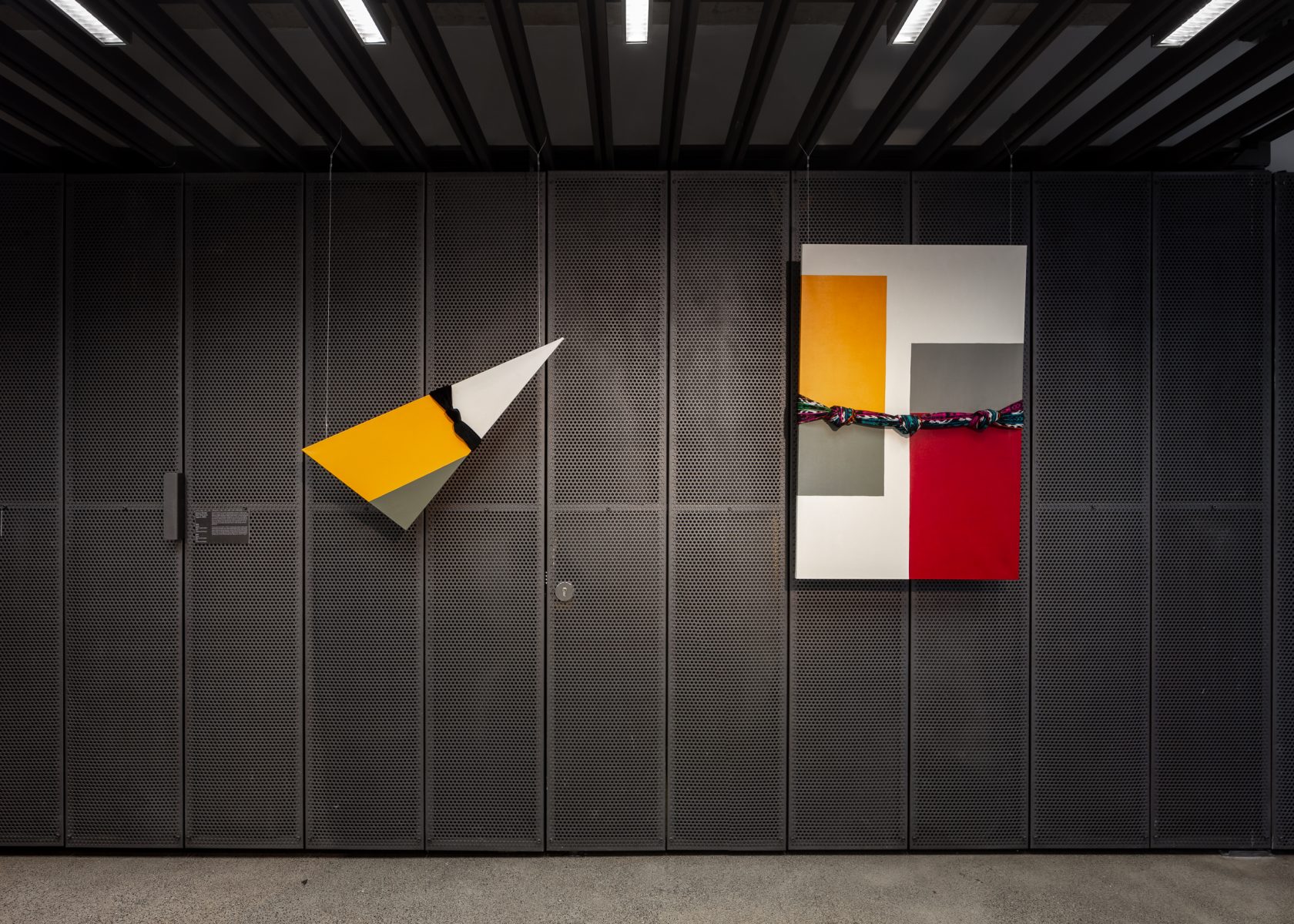
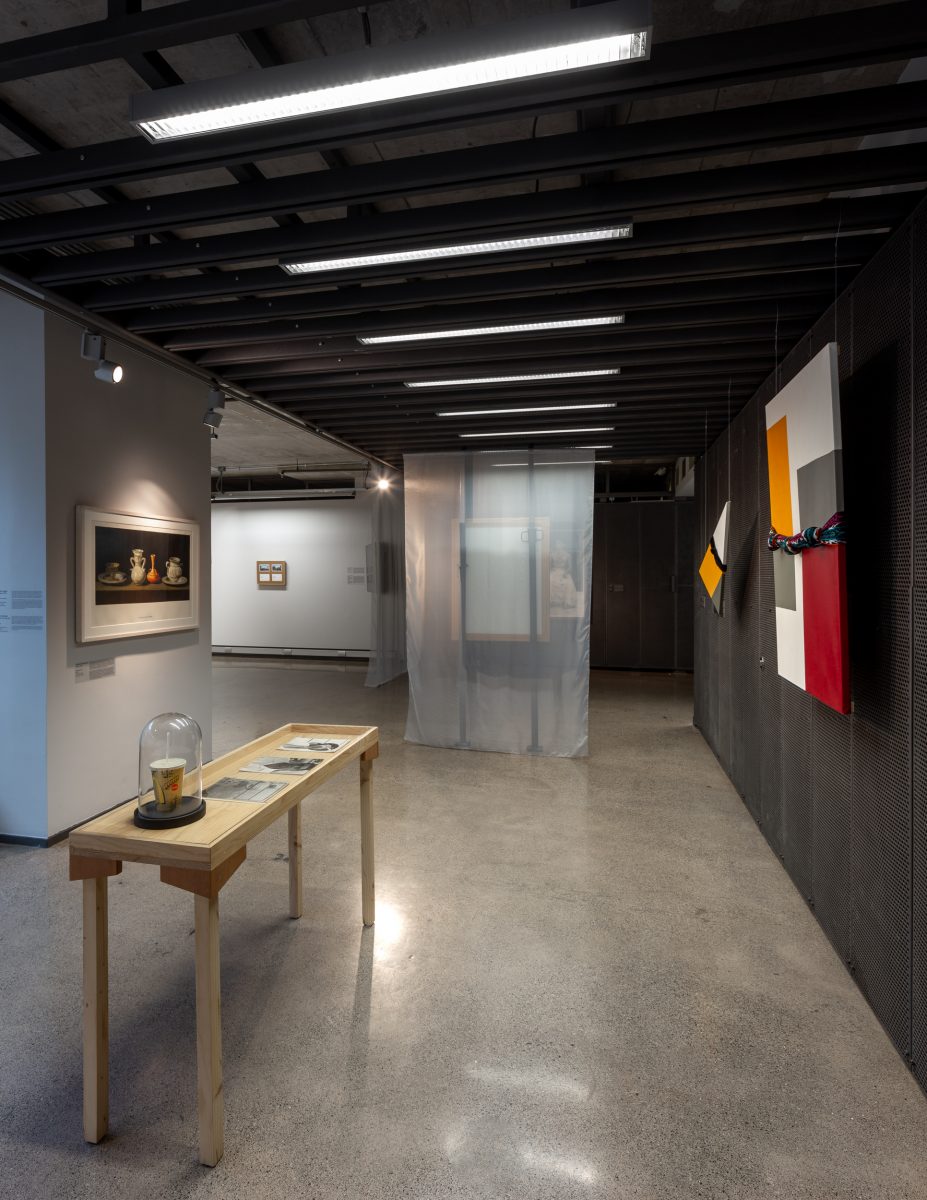
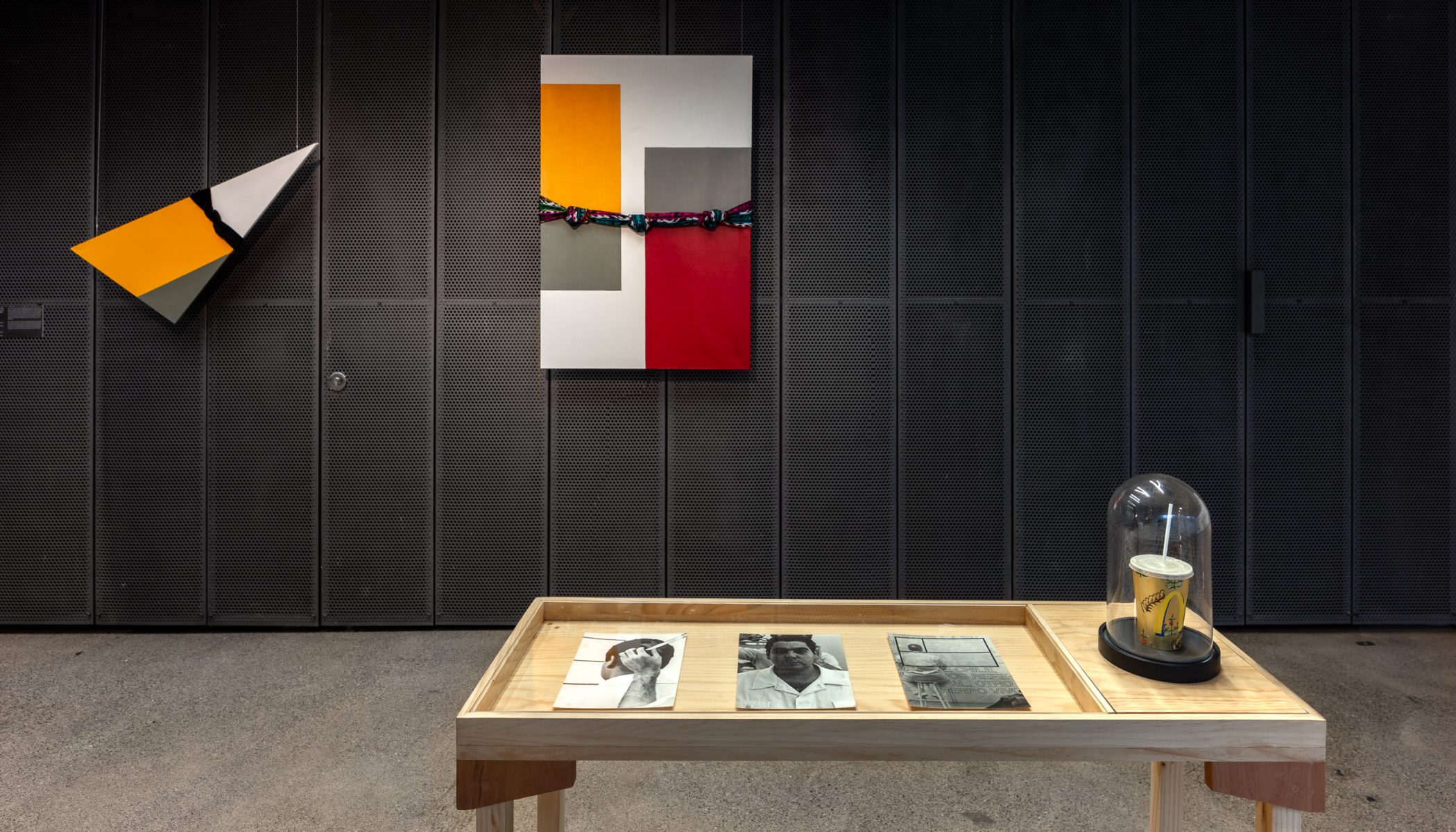
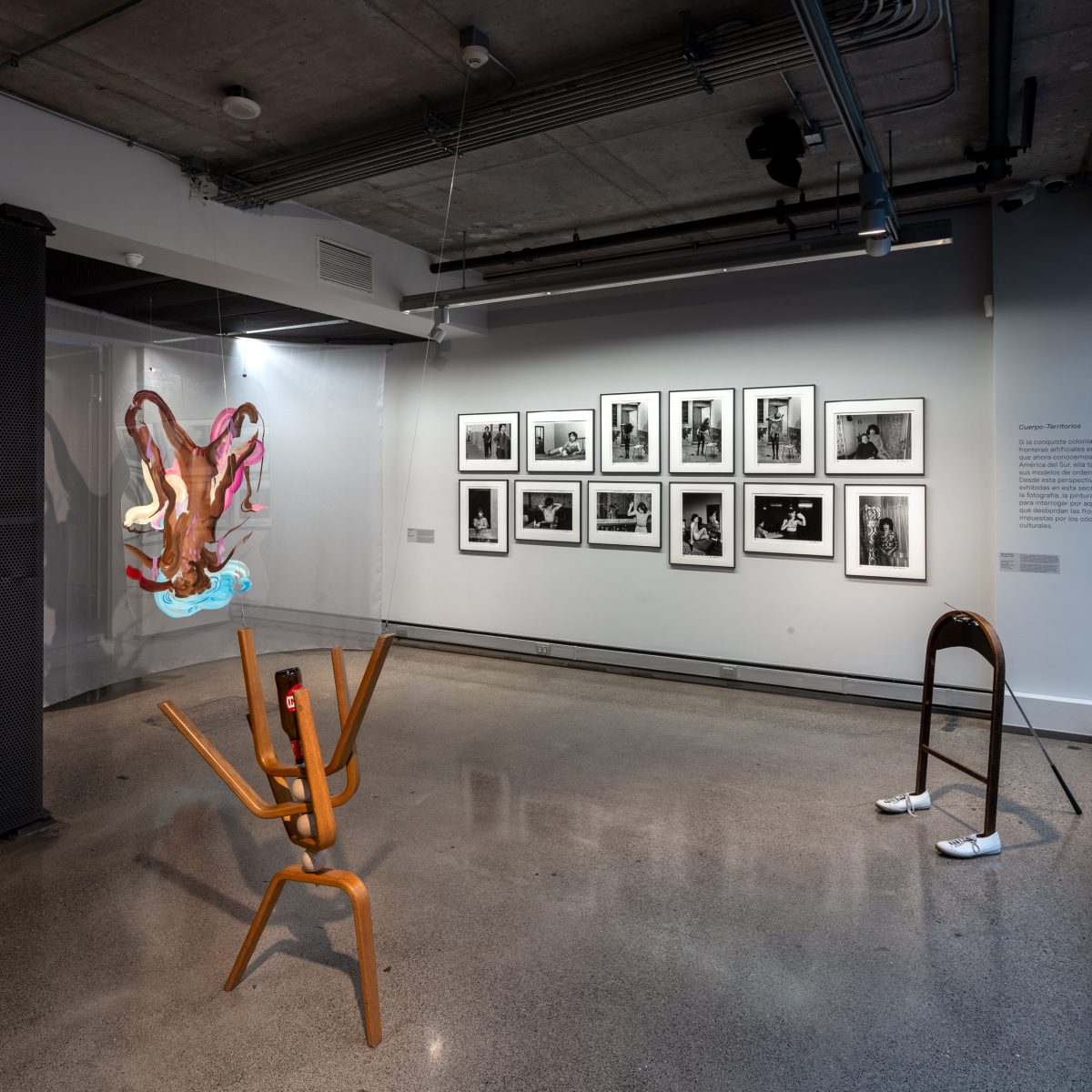
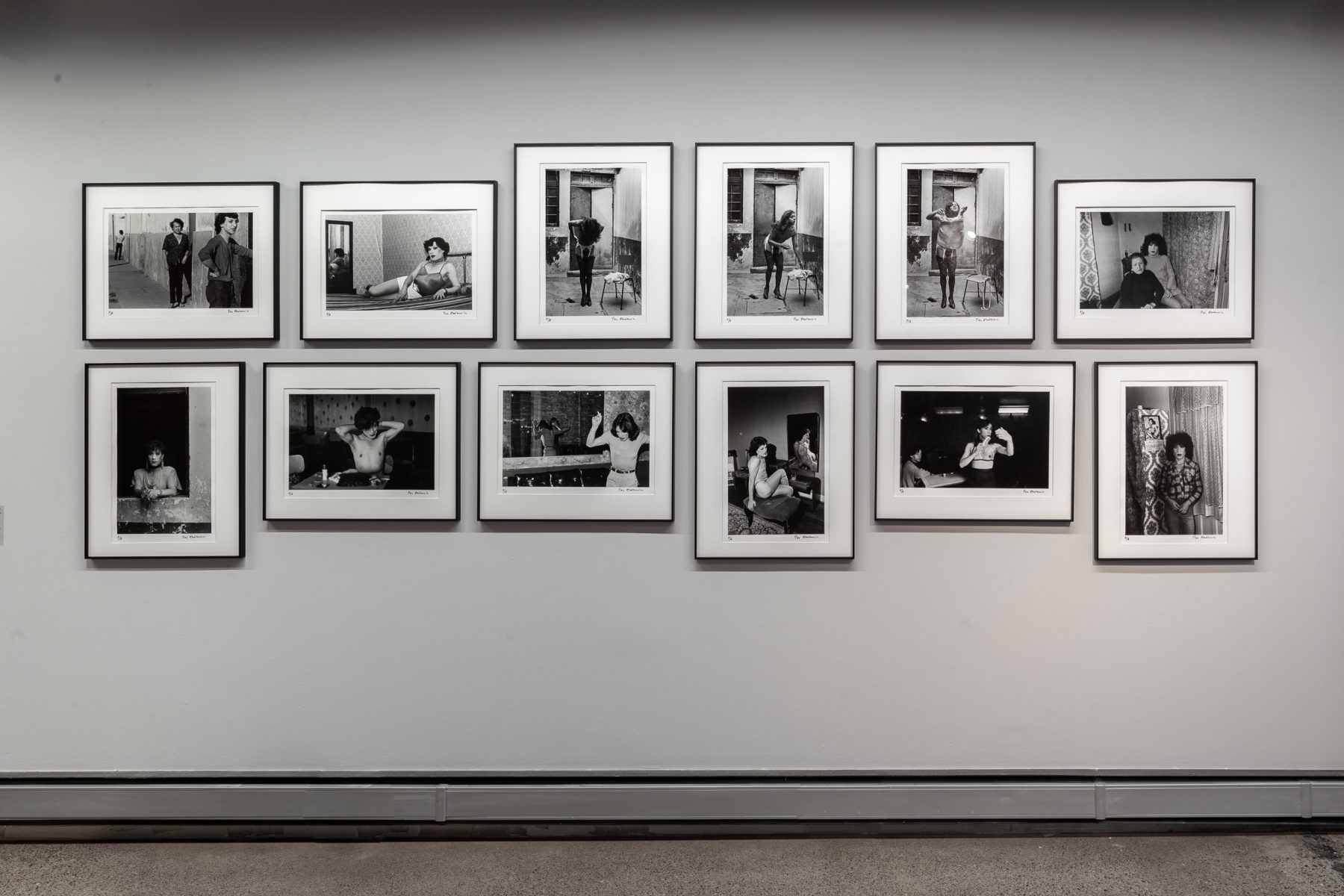
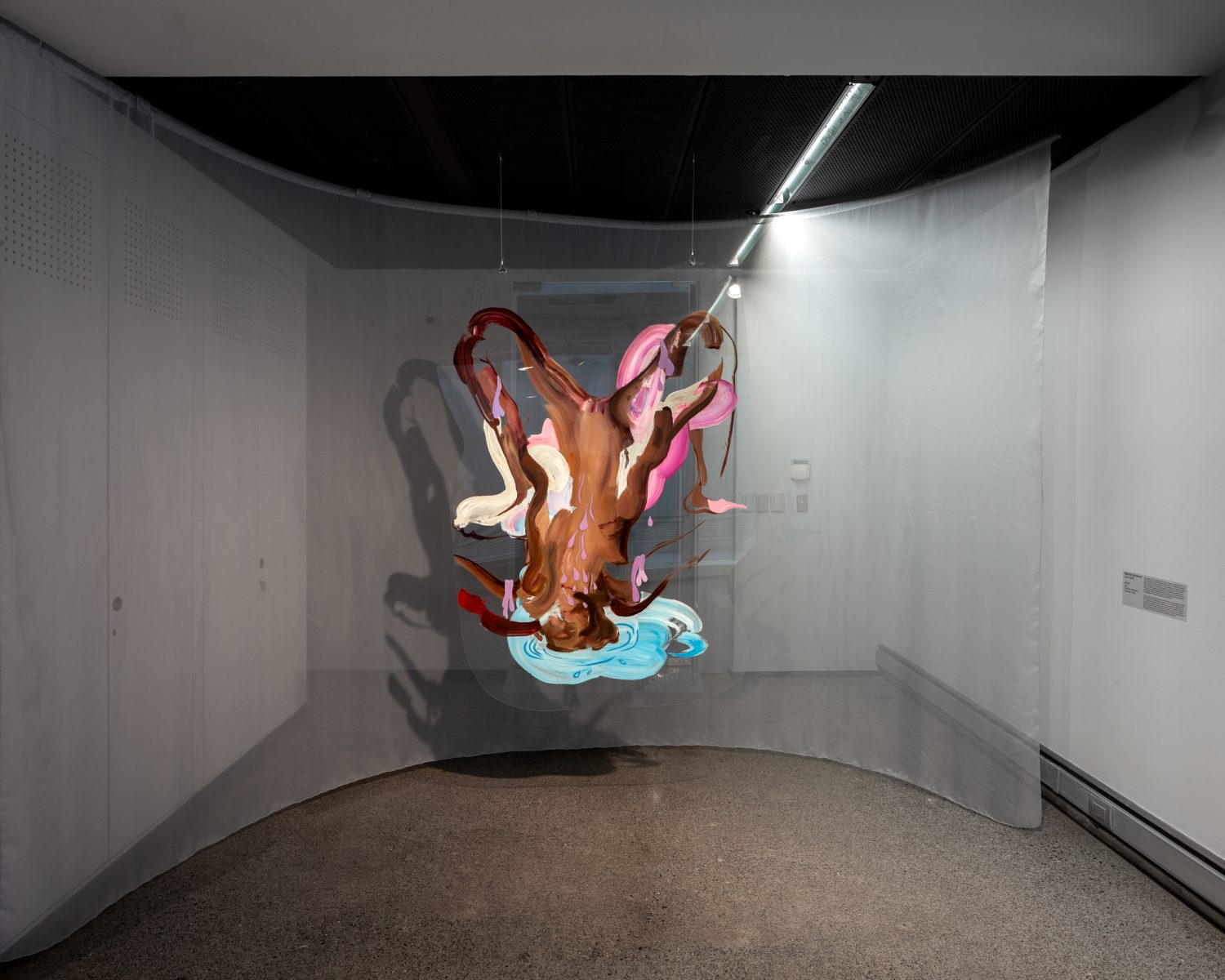
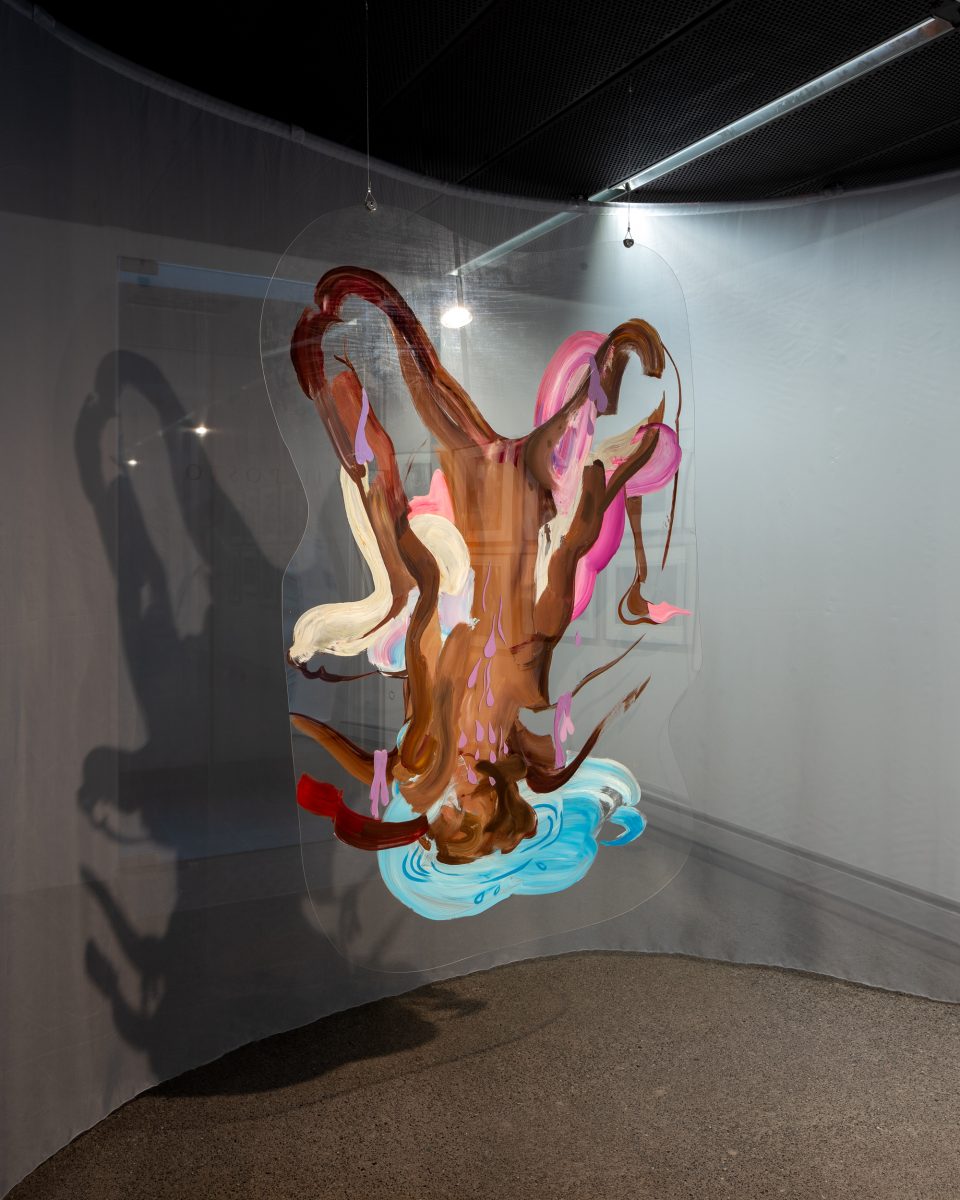
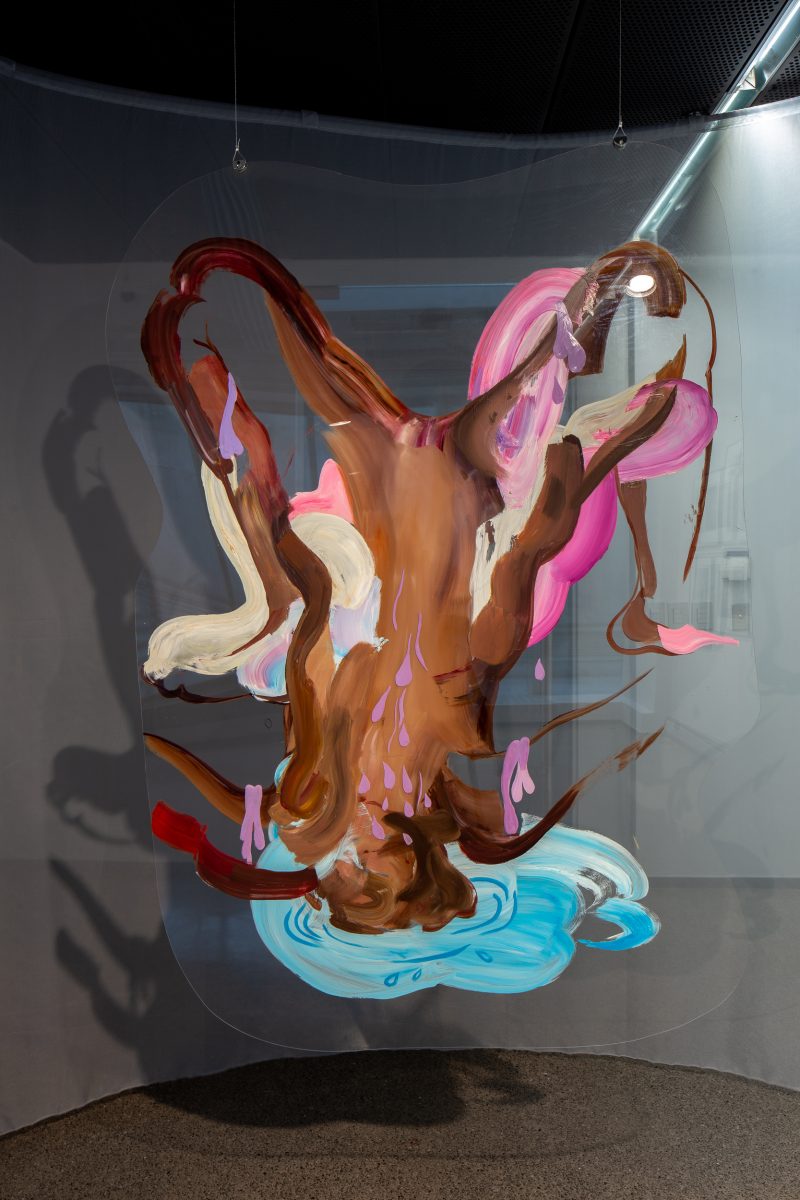
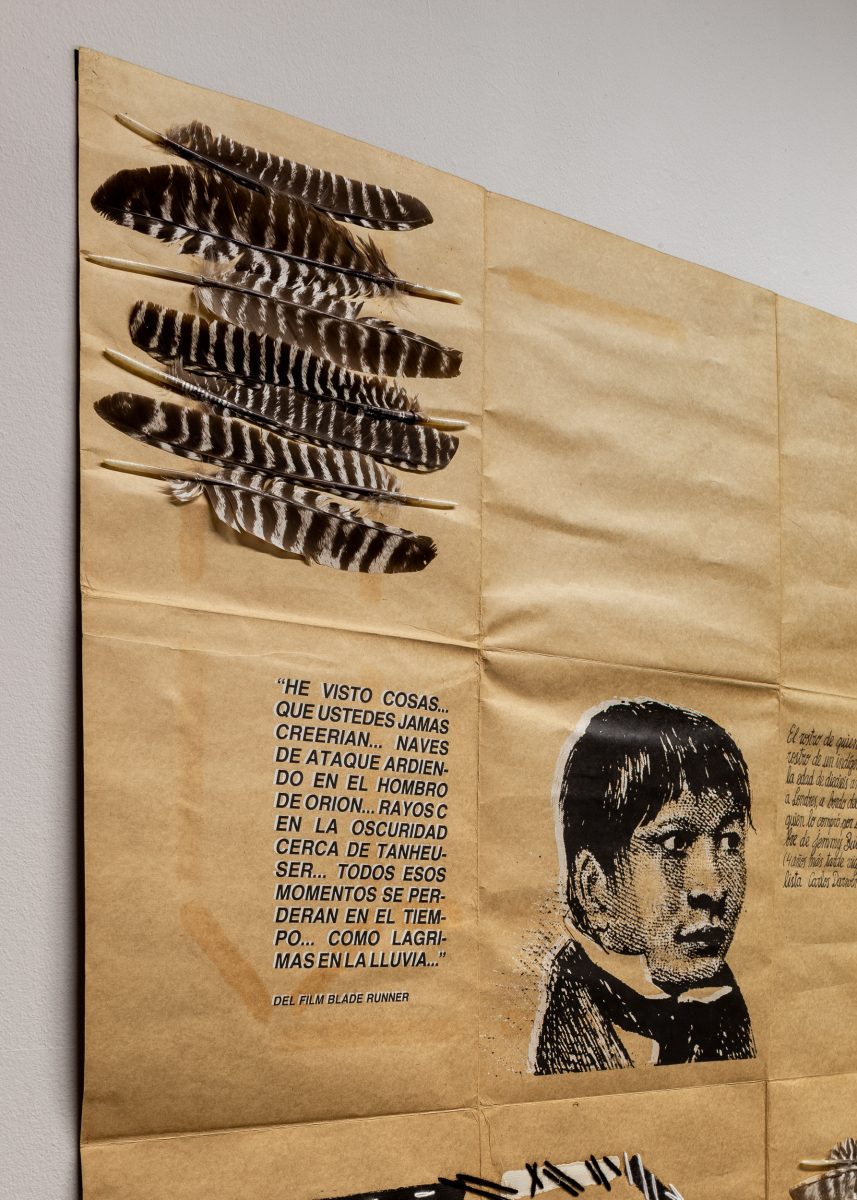
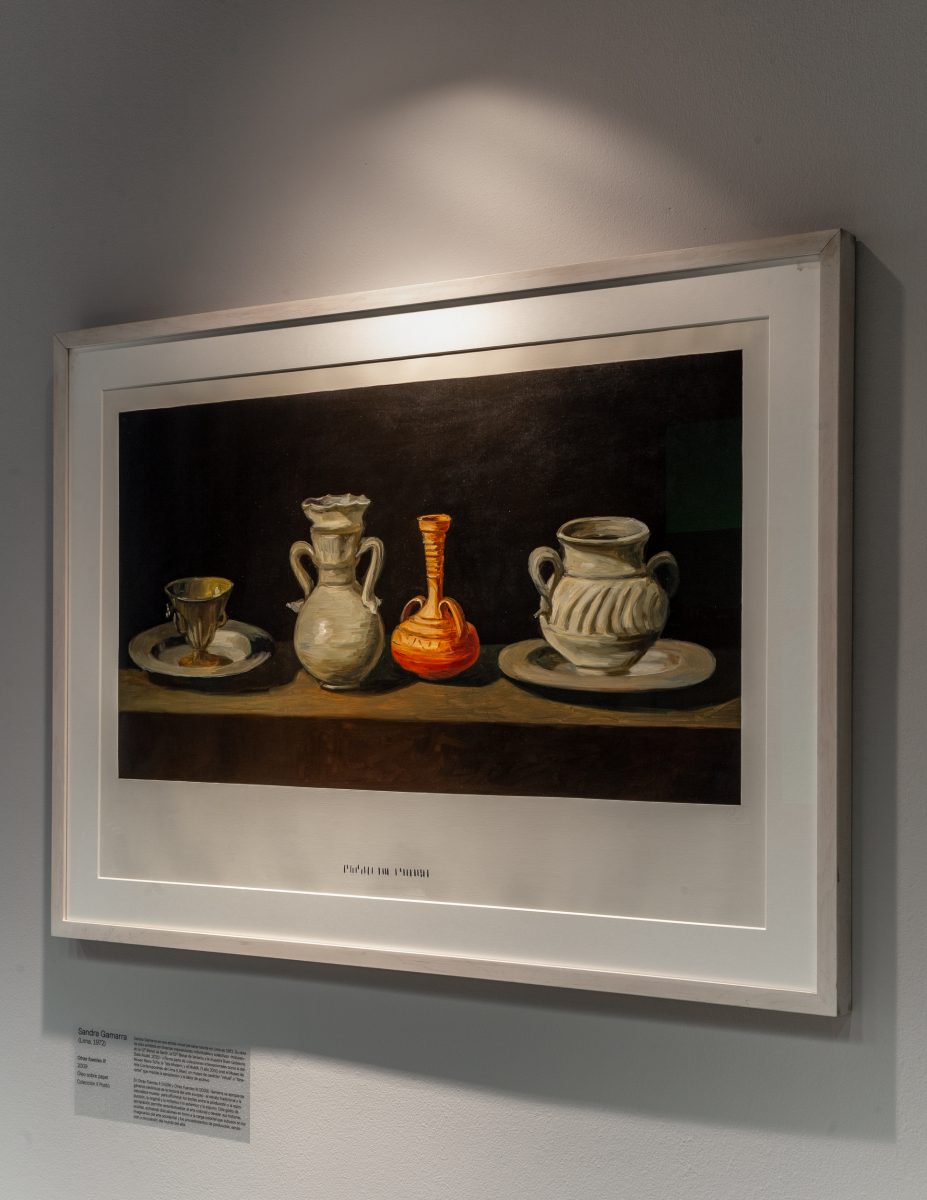
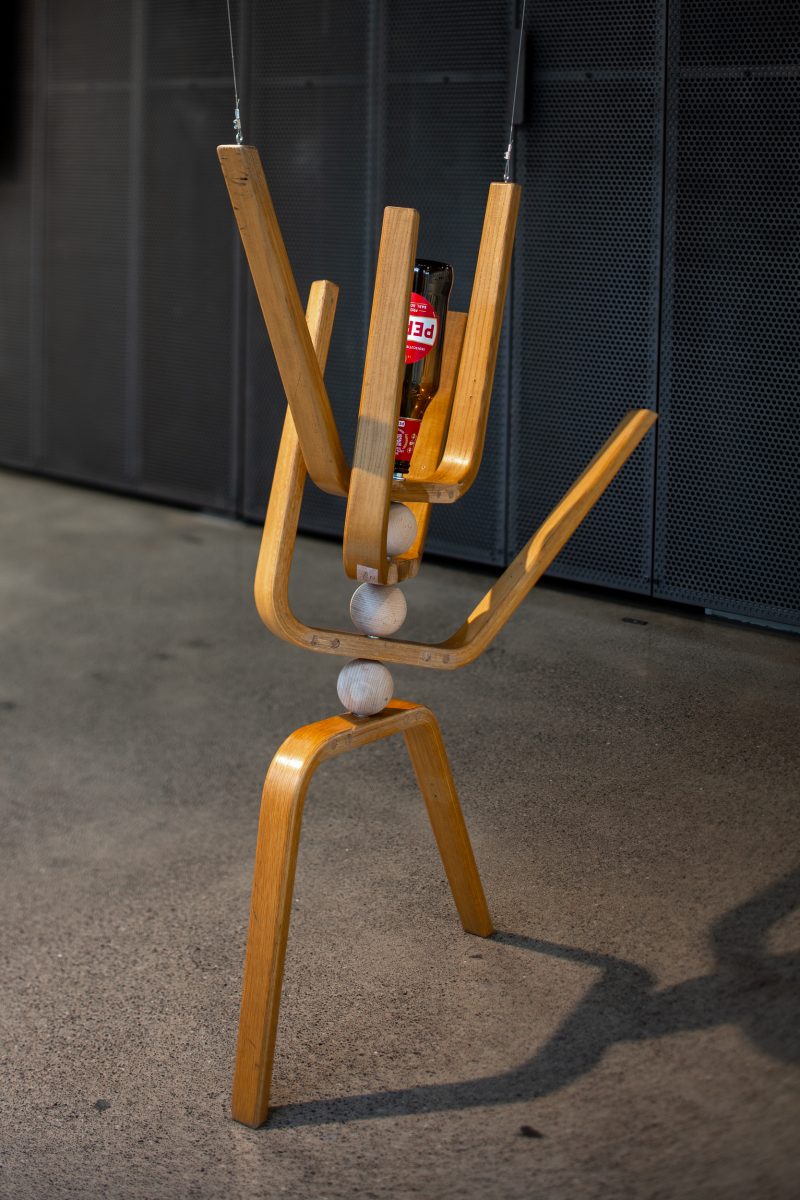
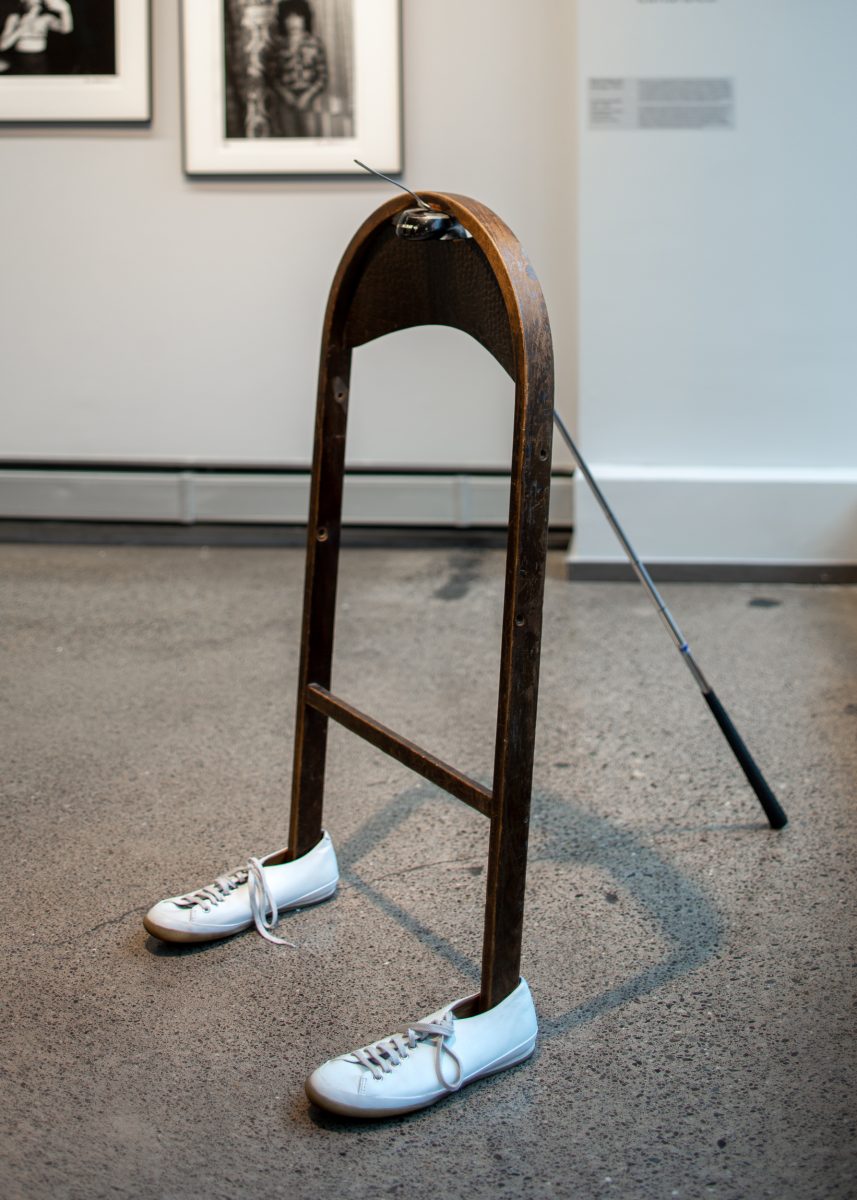
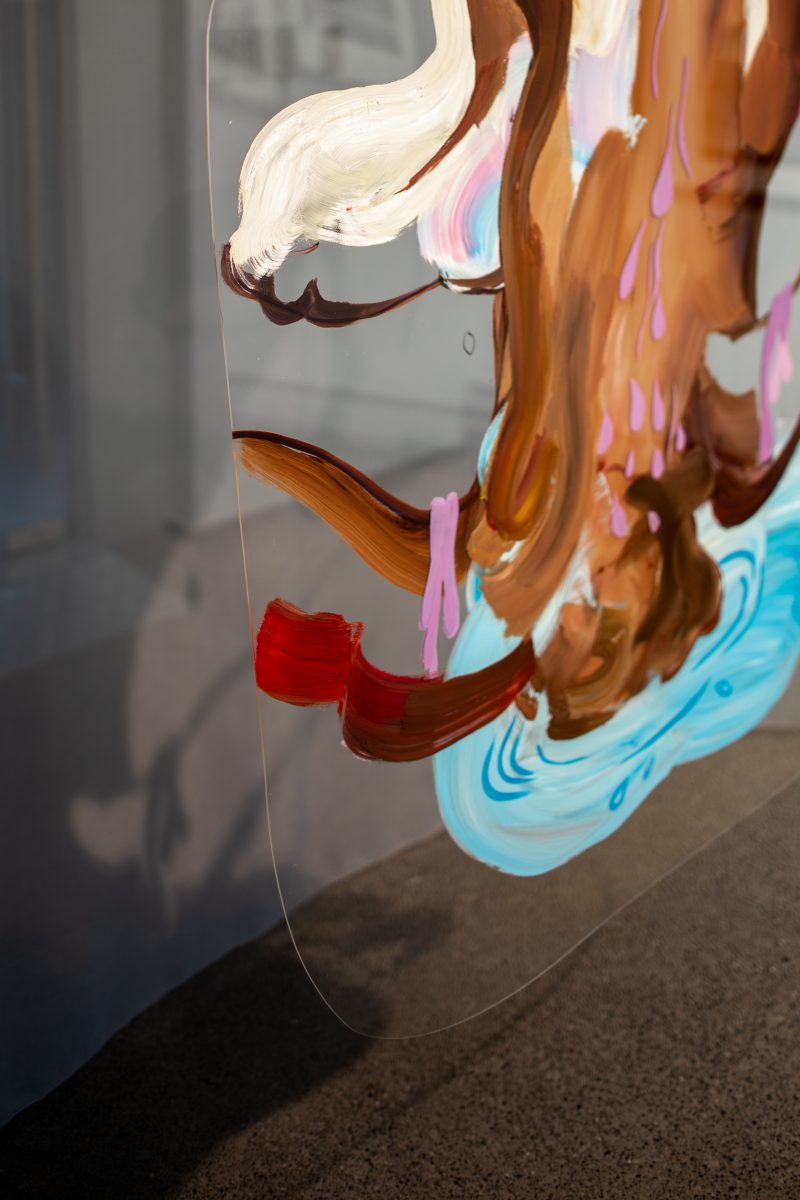
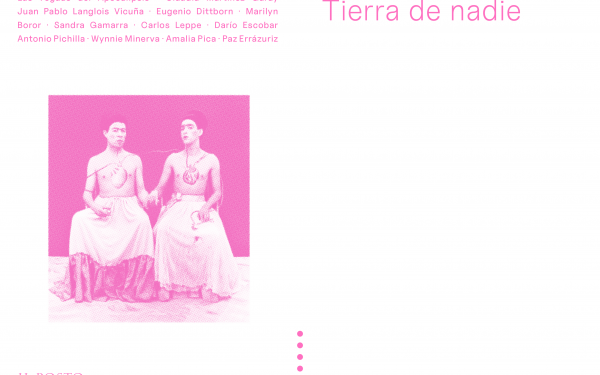
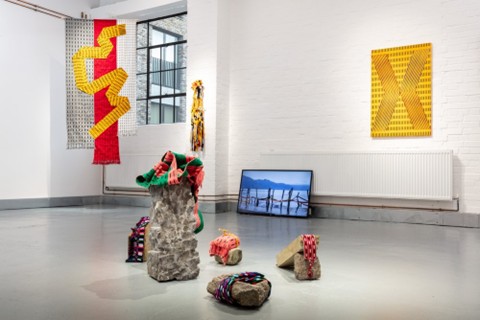
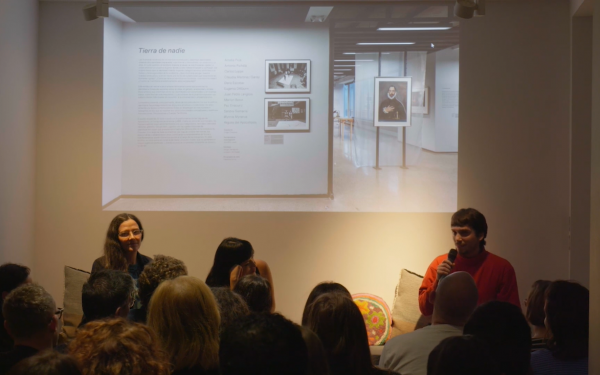
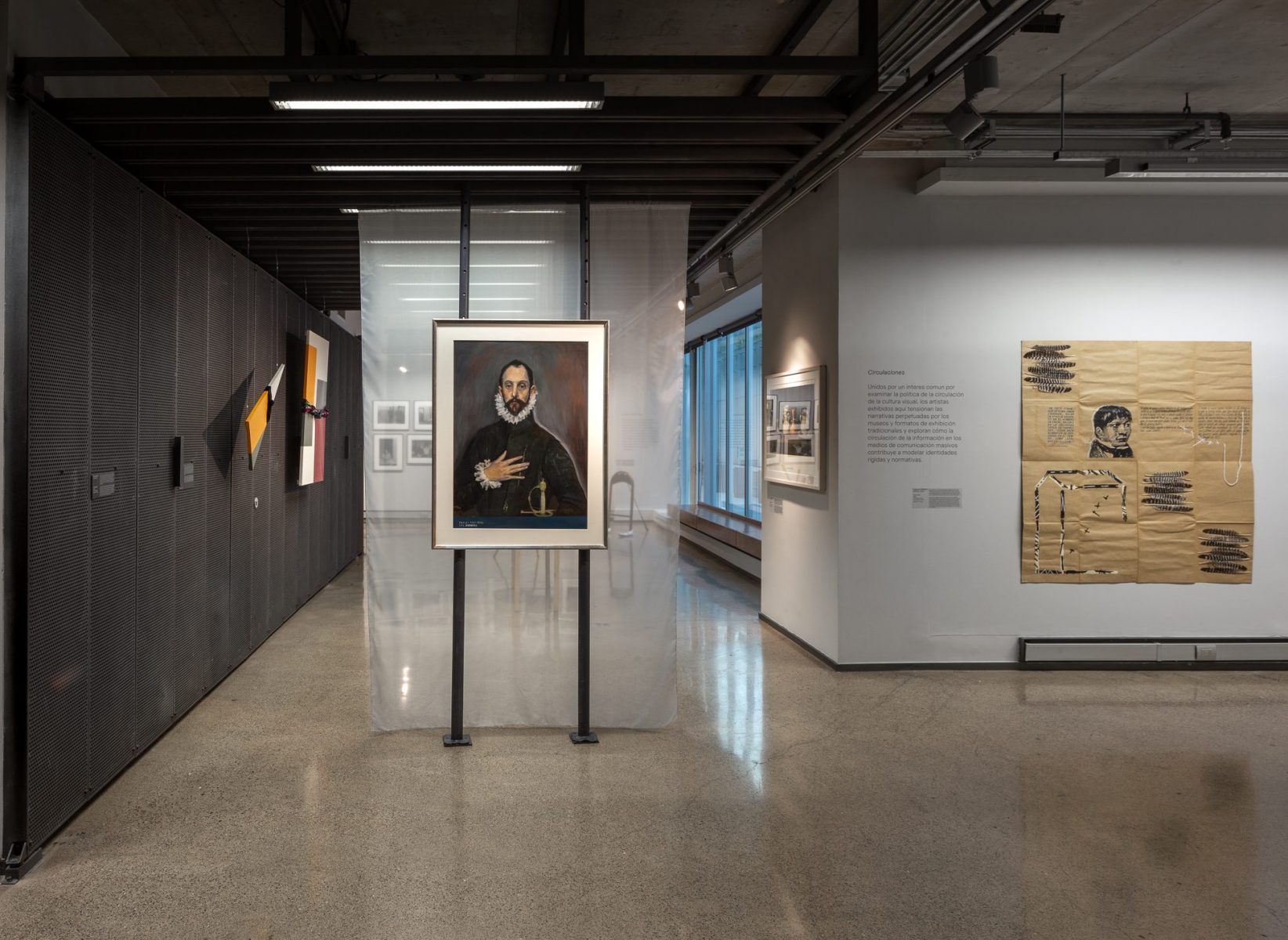
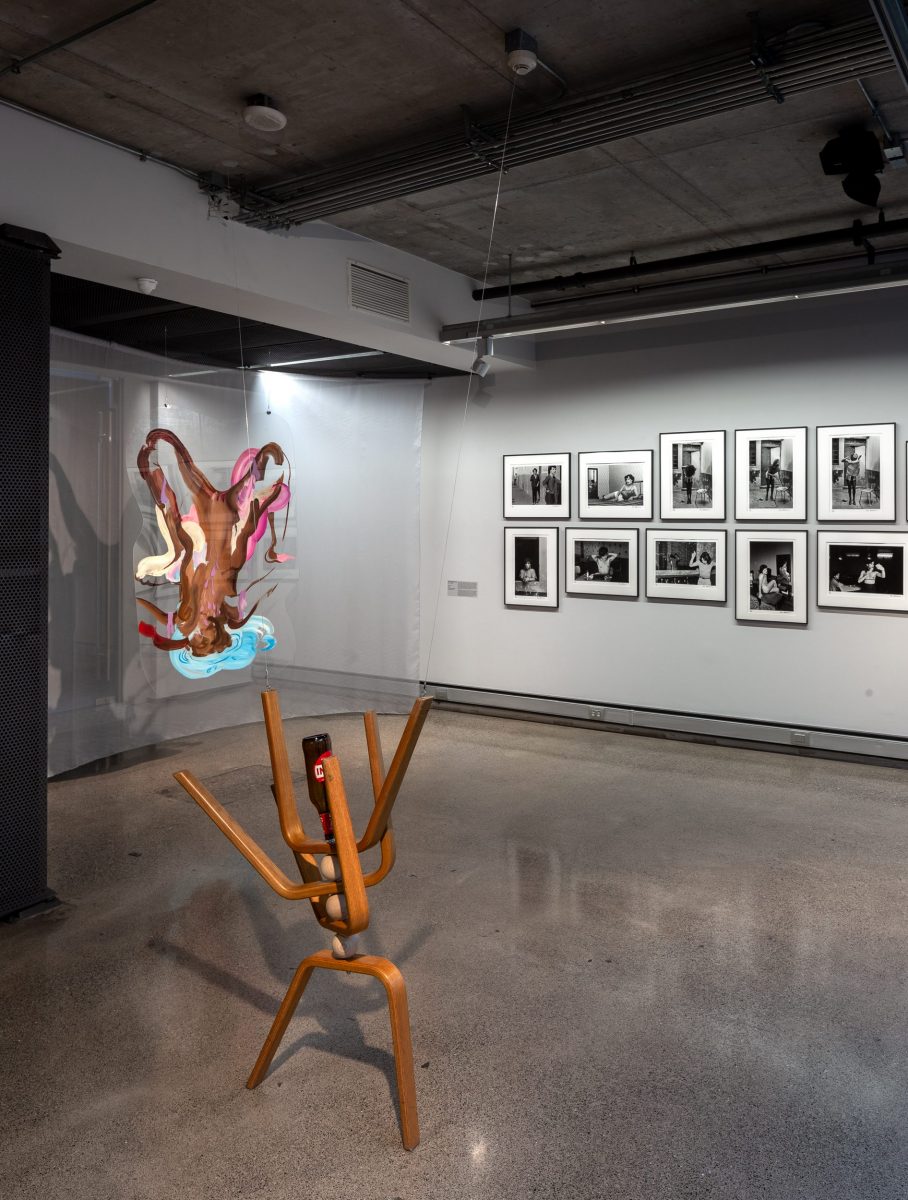
This exhibition brings together twelve Latin American artists who examine identity through notions such as class, gender, ethnicity, and race. Twelve artists who examine how identities are constructed and, in many cases, how they have been imposed on them, and who through their practice express their individual subjectivities without succumbing to universality or essentialism. The exhibition mainly presents works from two periods in which identity politics played a leading role in artistic and curatorial discourses: the 1980s and the contemporary era. These are displayed in three nuclei or categories that highlight their conceptual and aesthetic (dis)continuities: Appropriations, Circulations, and Body-Territories.
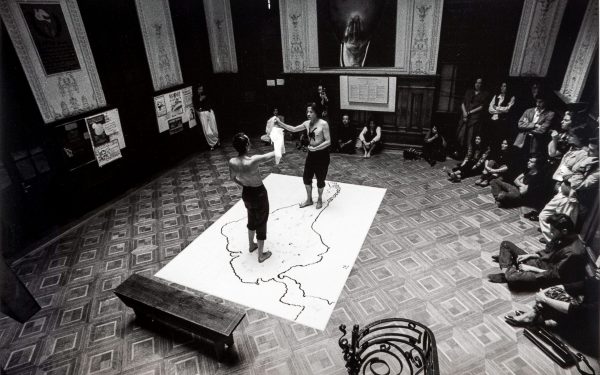
The starting point for this exhibition is the performance by Las Yeguas del Apocalipsis, La Conquista de América (The Conquest of America, 1989). As in other works, Las Yeguas explore several territories at once (indigenism, Latinidad, national identity, gender, and sexuality), playing with the rigid notions of social identification that prevailed until the last days of the Pinochet dictatorship. Throughout their practice, Las Yeguas created territories, left them behind, and established others, constantly changing form and manifesting themselves from different points along the margins. In this sense, their work exists in no man’s land: a middle ground that belongs to no particular subject, and where one is in a constant process of becoming, not of being.