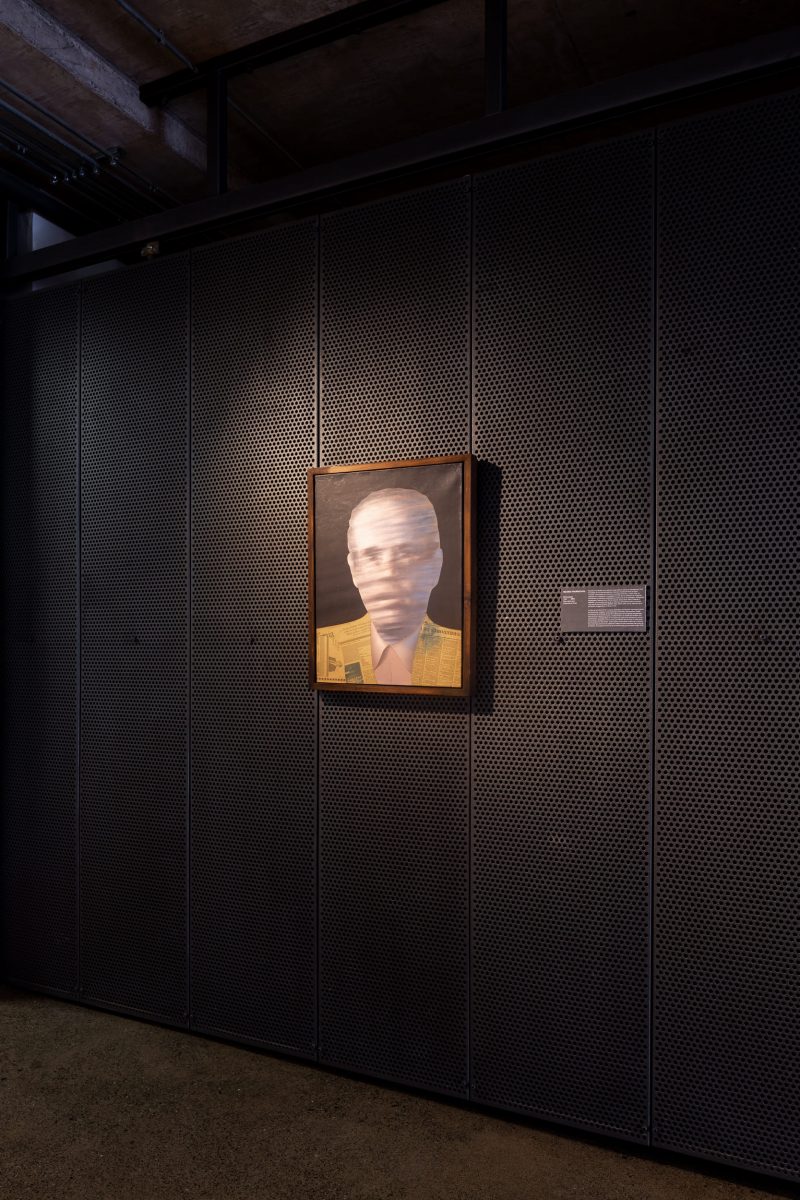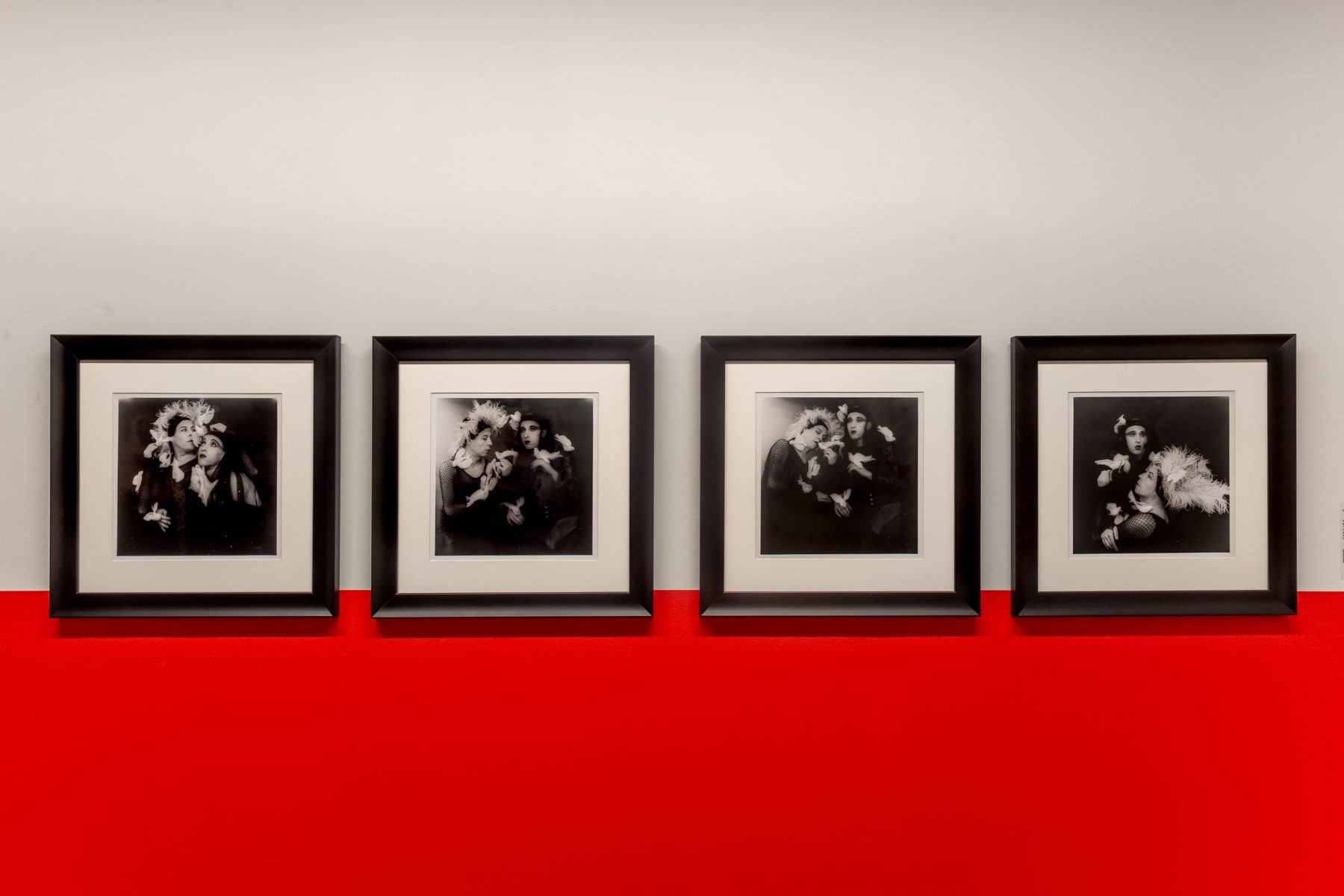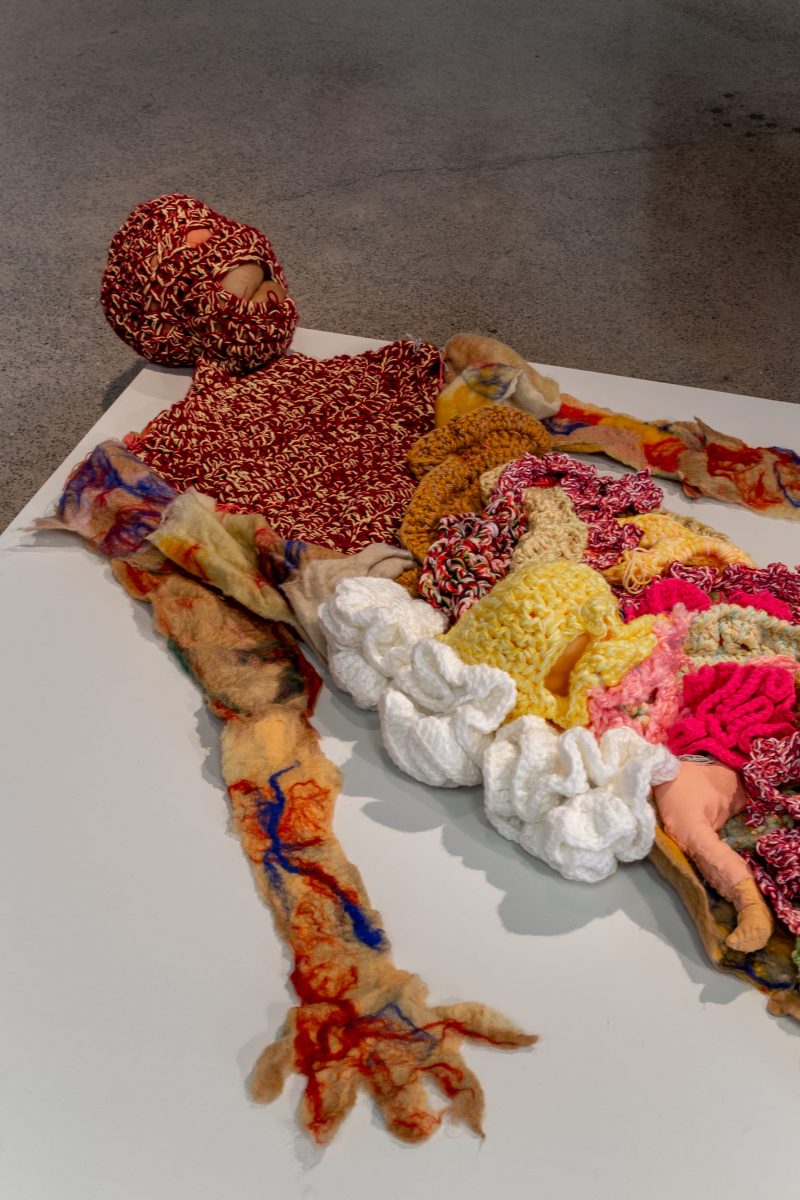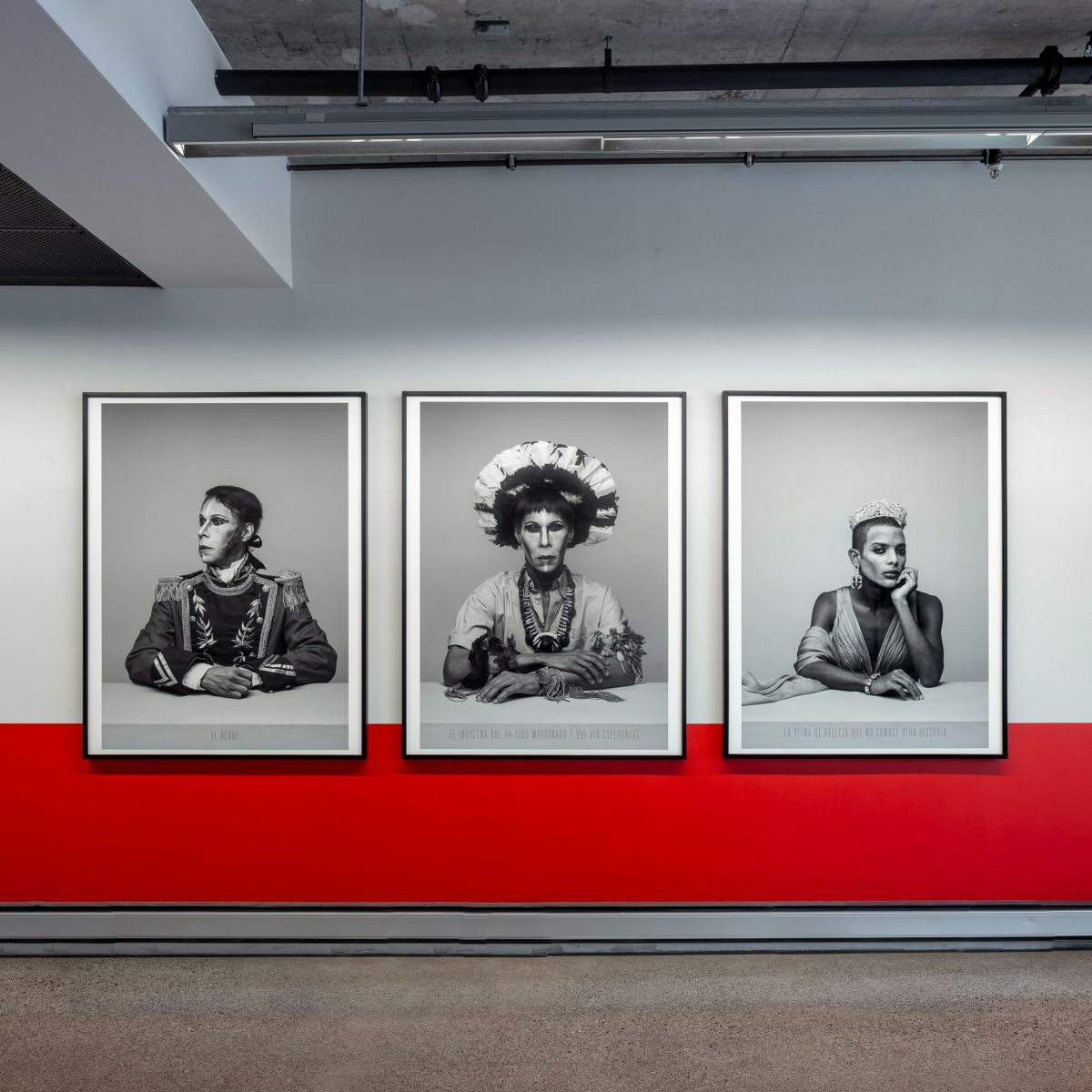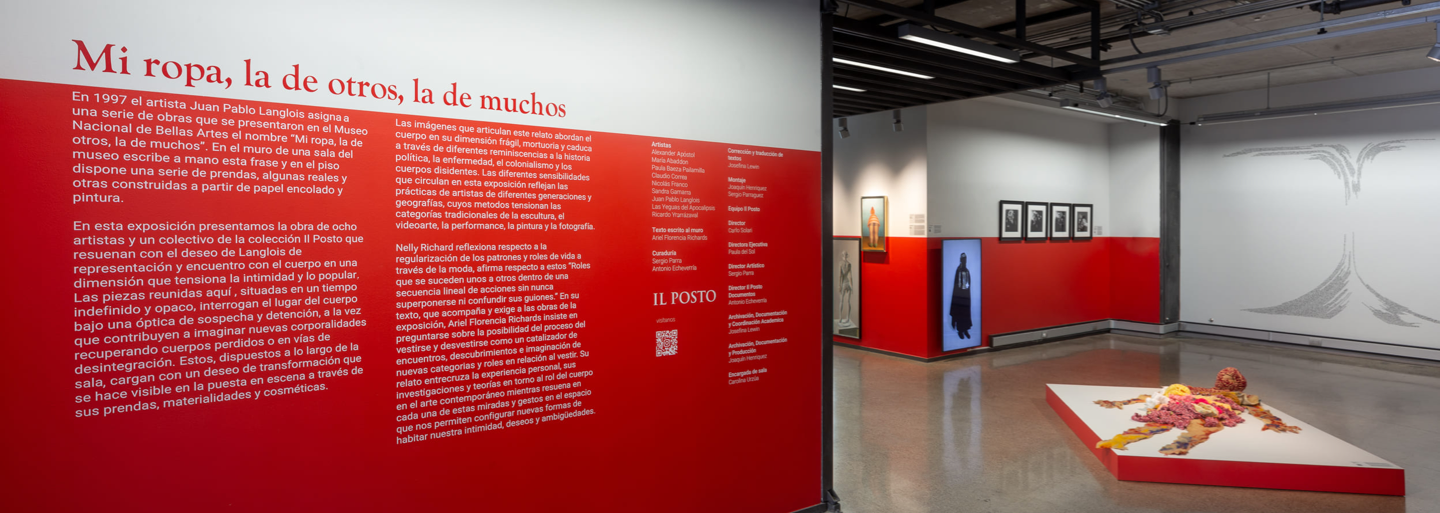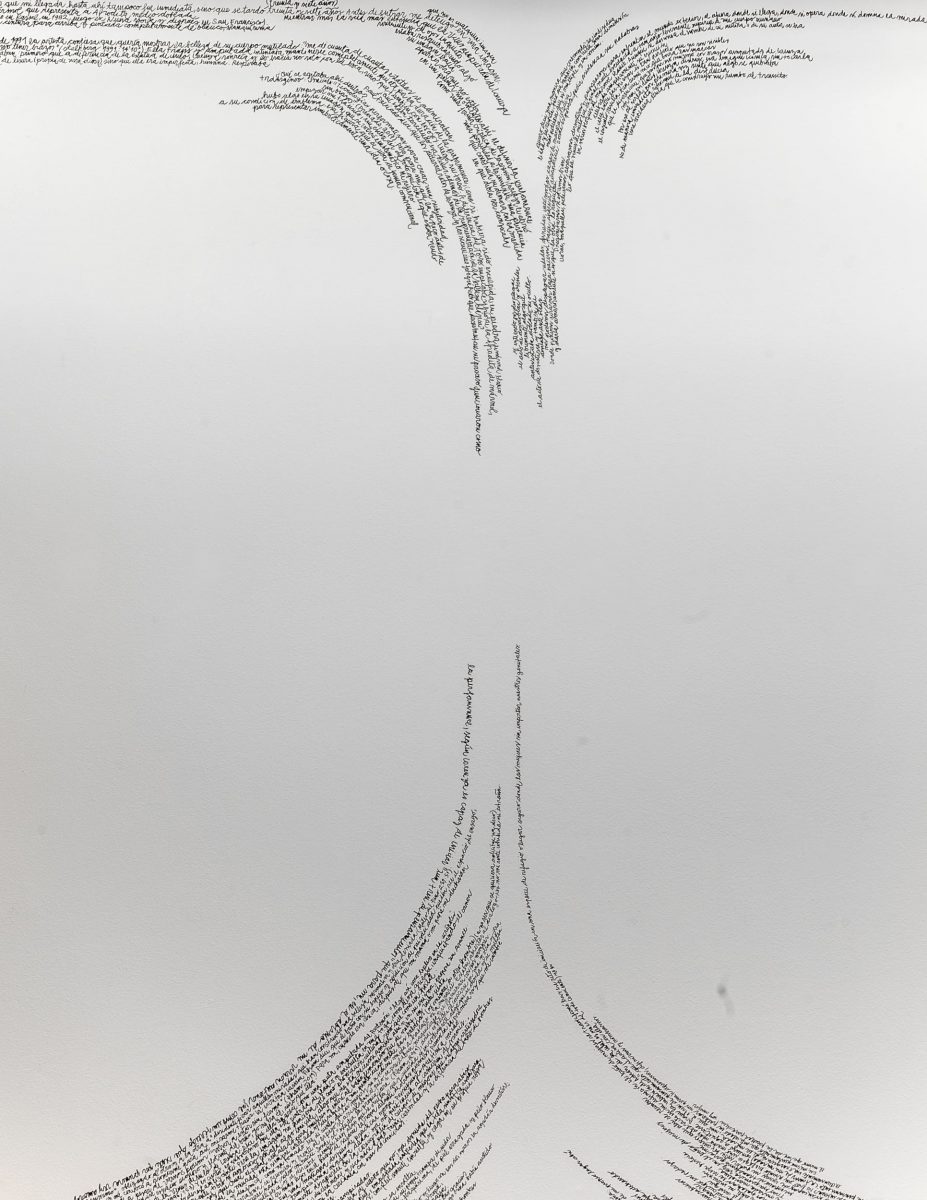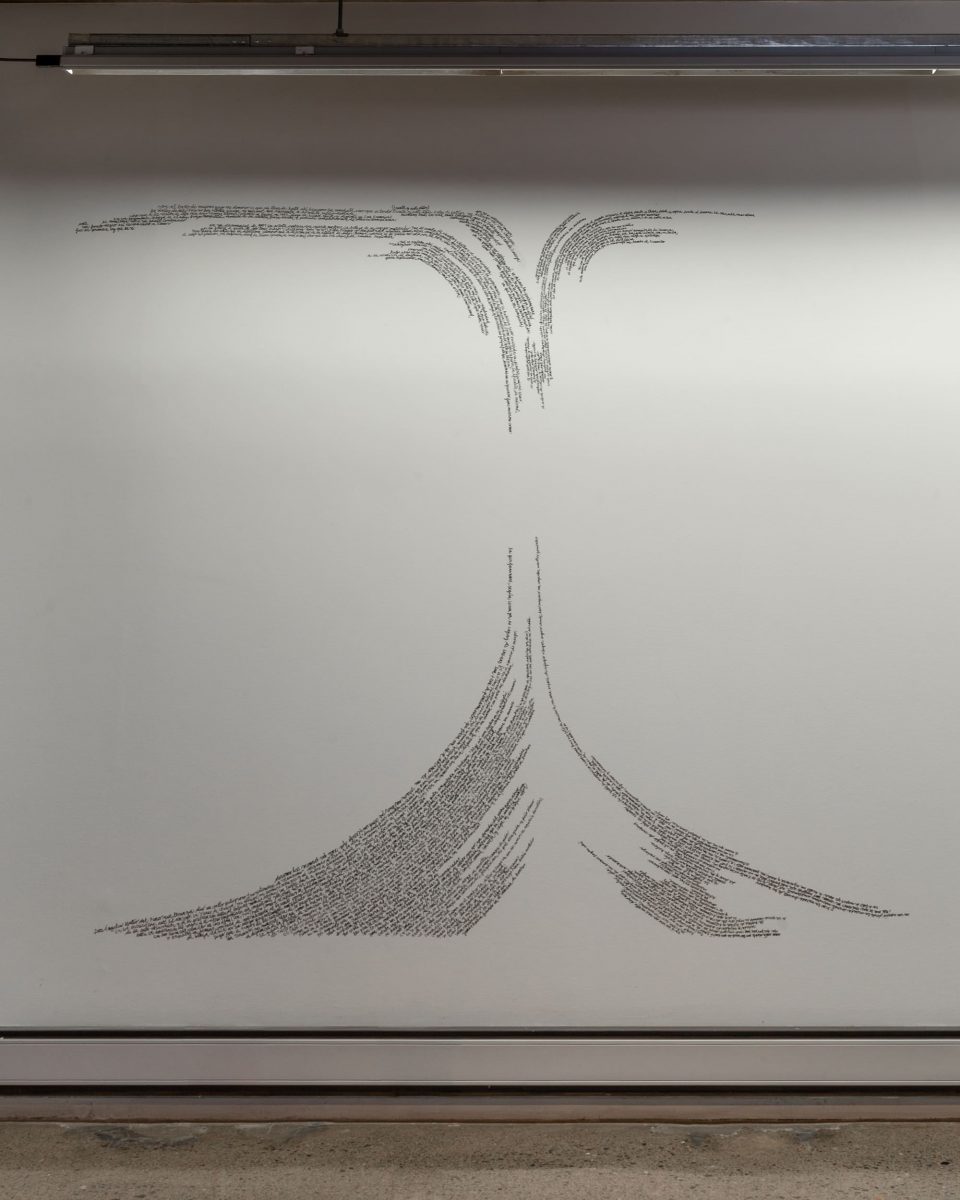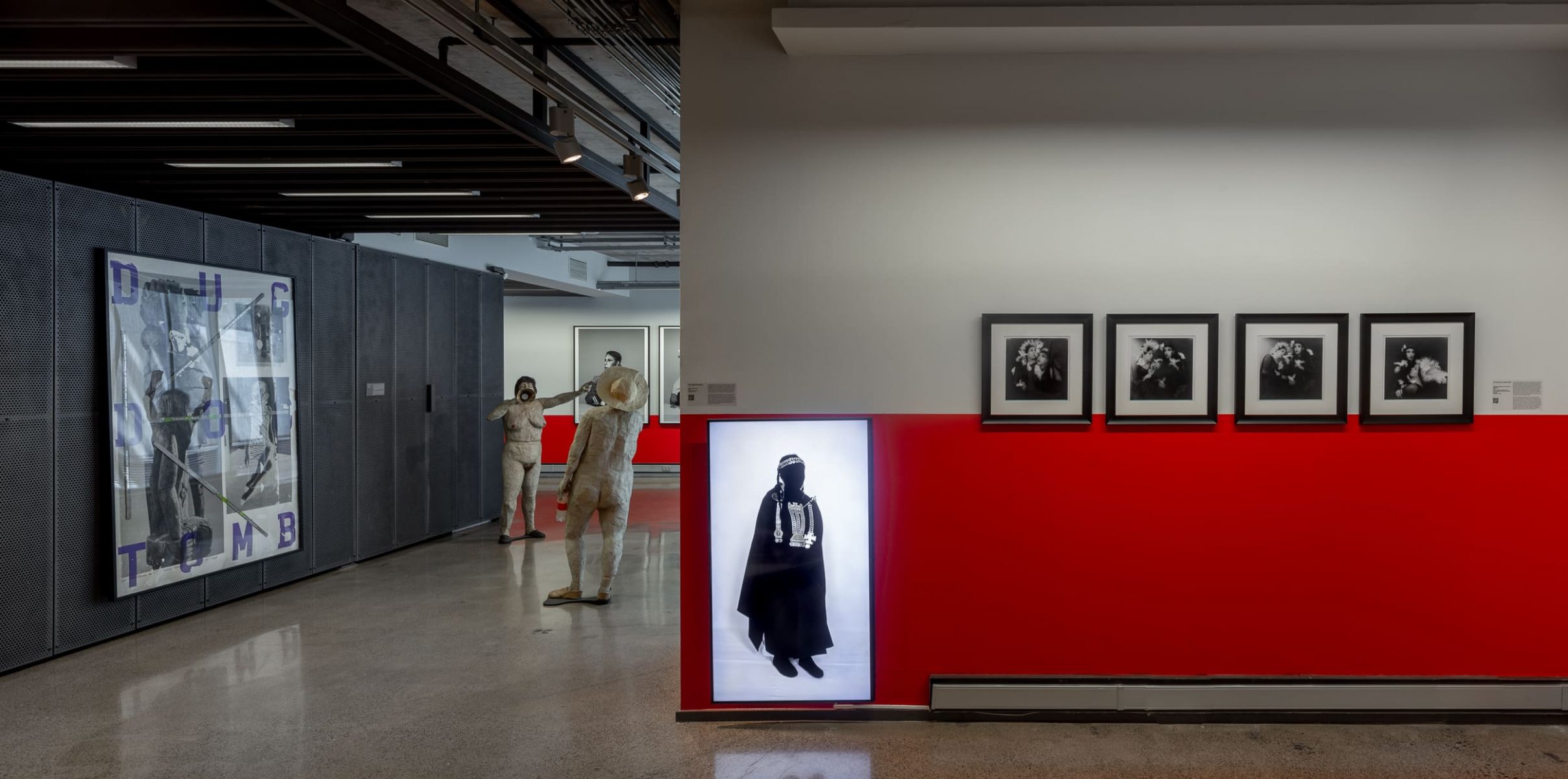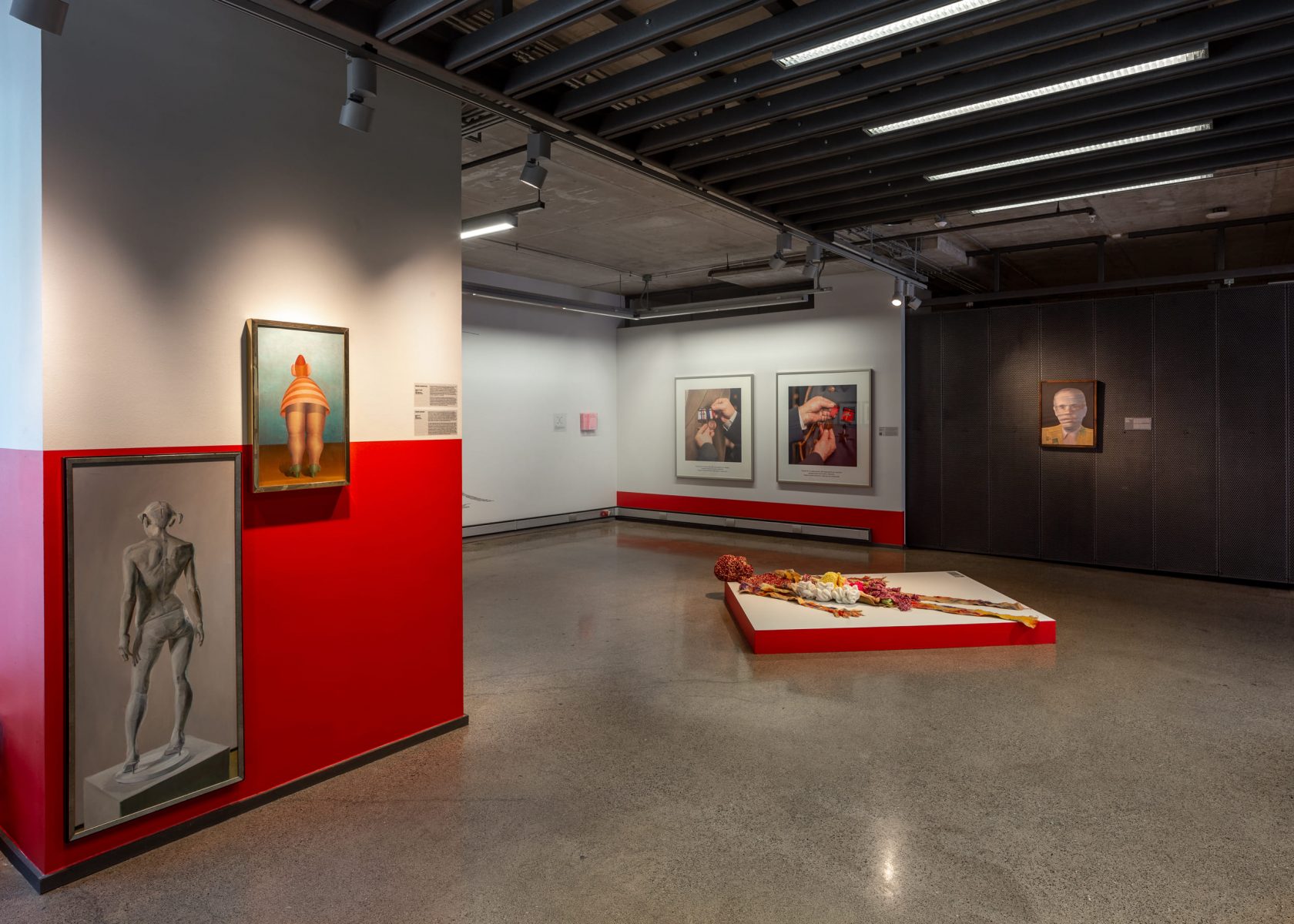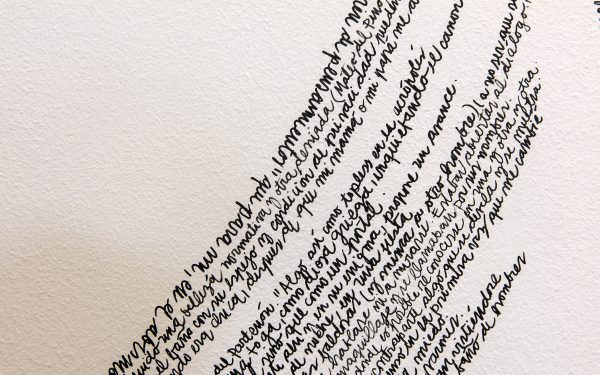
In 1997, artist Juan Pablo Langlois named a series of works presented at the National Museum of Fine Arts “my clothes, other people’s clothes, many people’s clothes.” He handwrote this phrase on the wall of a museum room and arranged a series of garments on the floor, some real and others made from glued paper and paint.
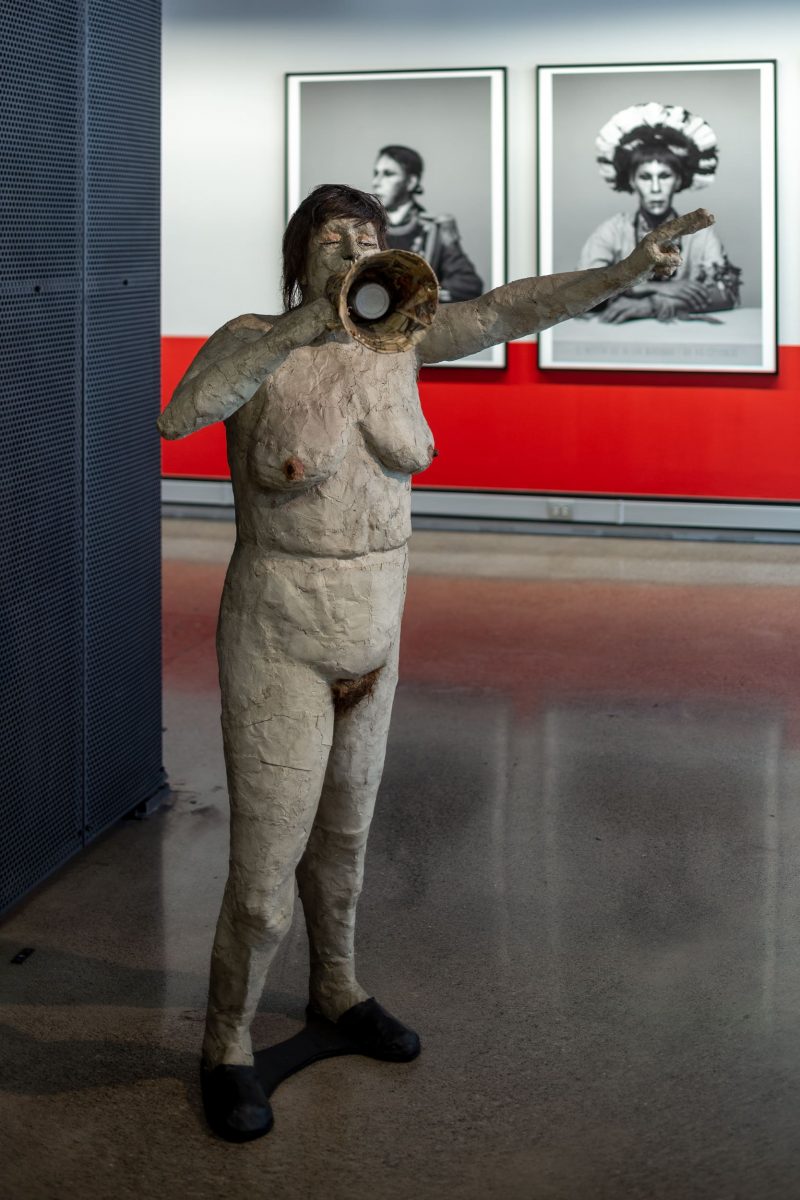
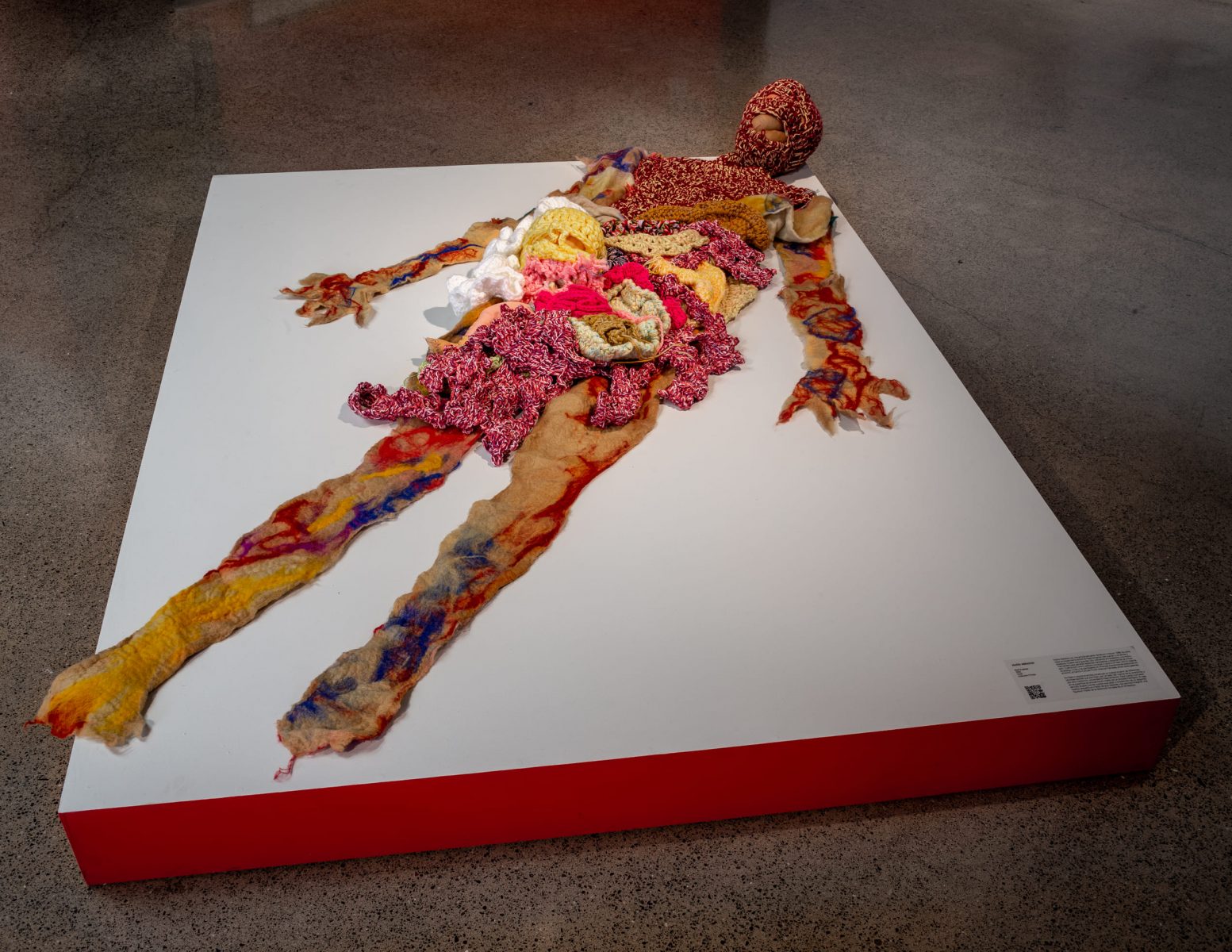
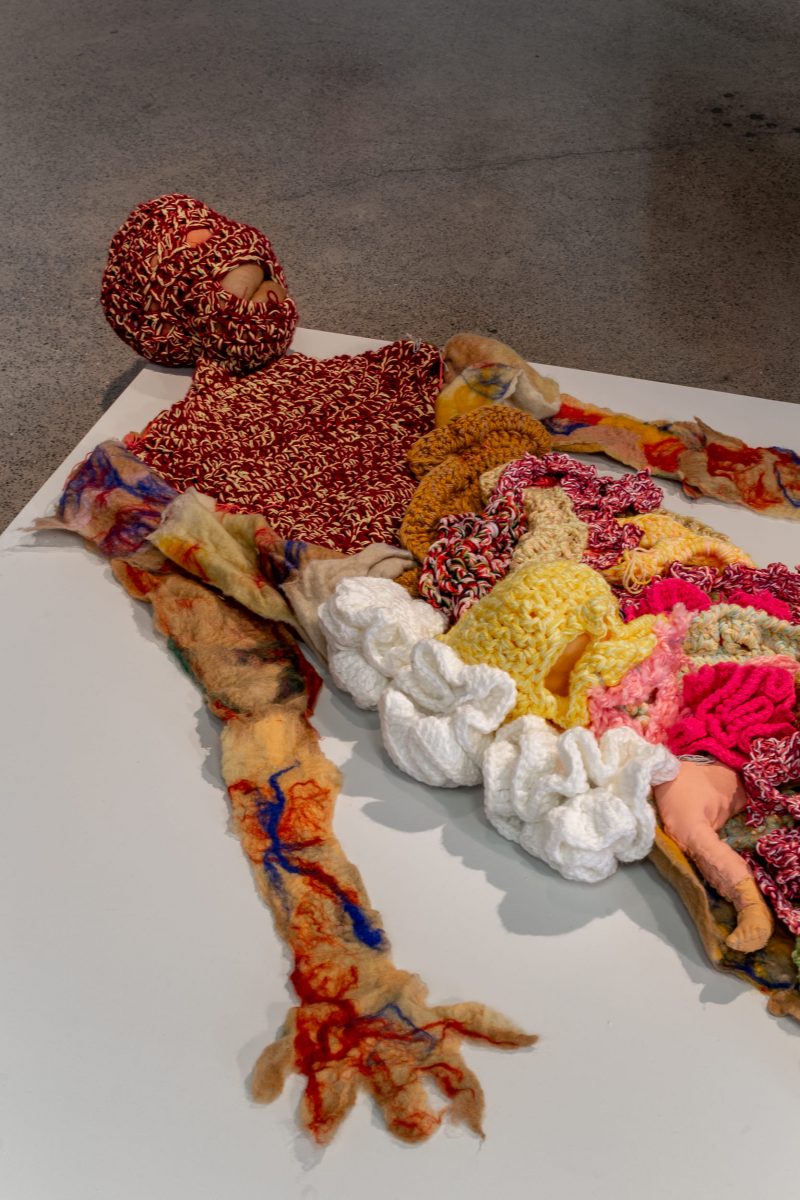
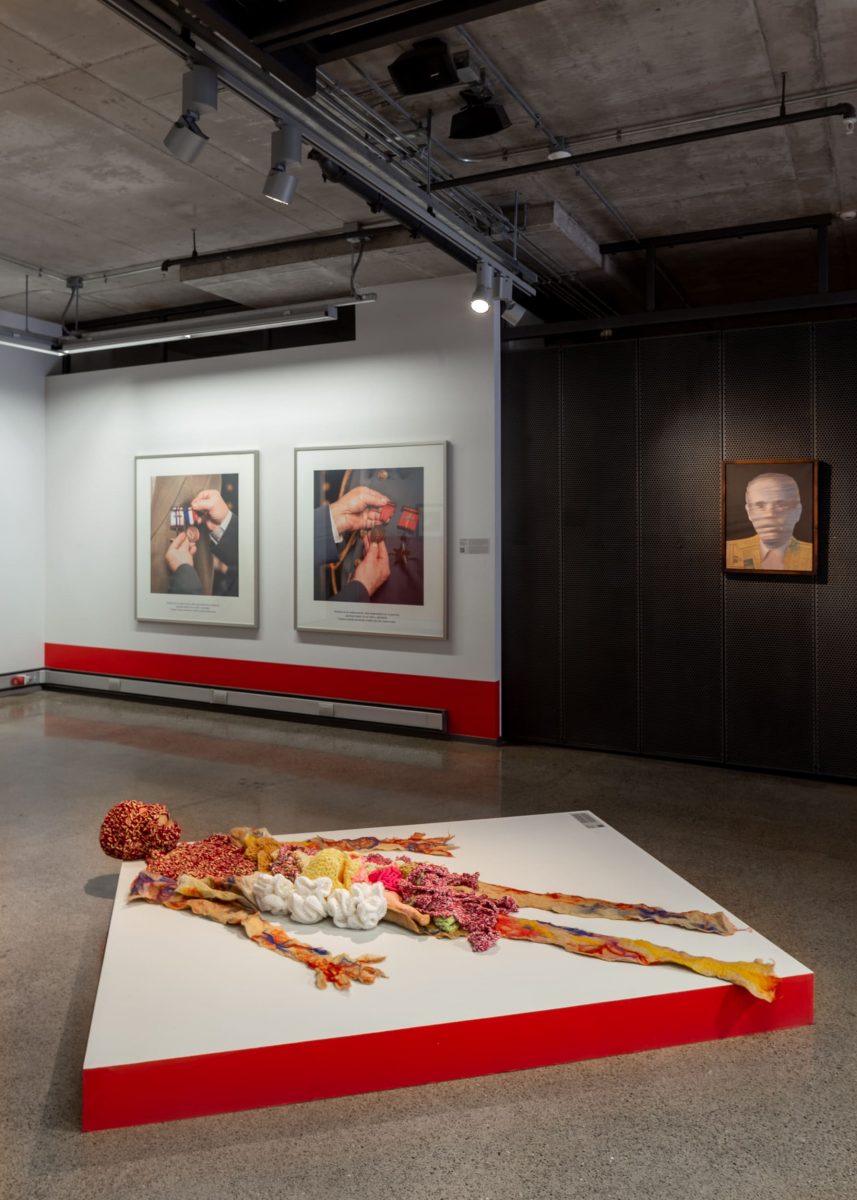
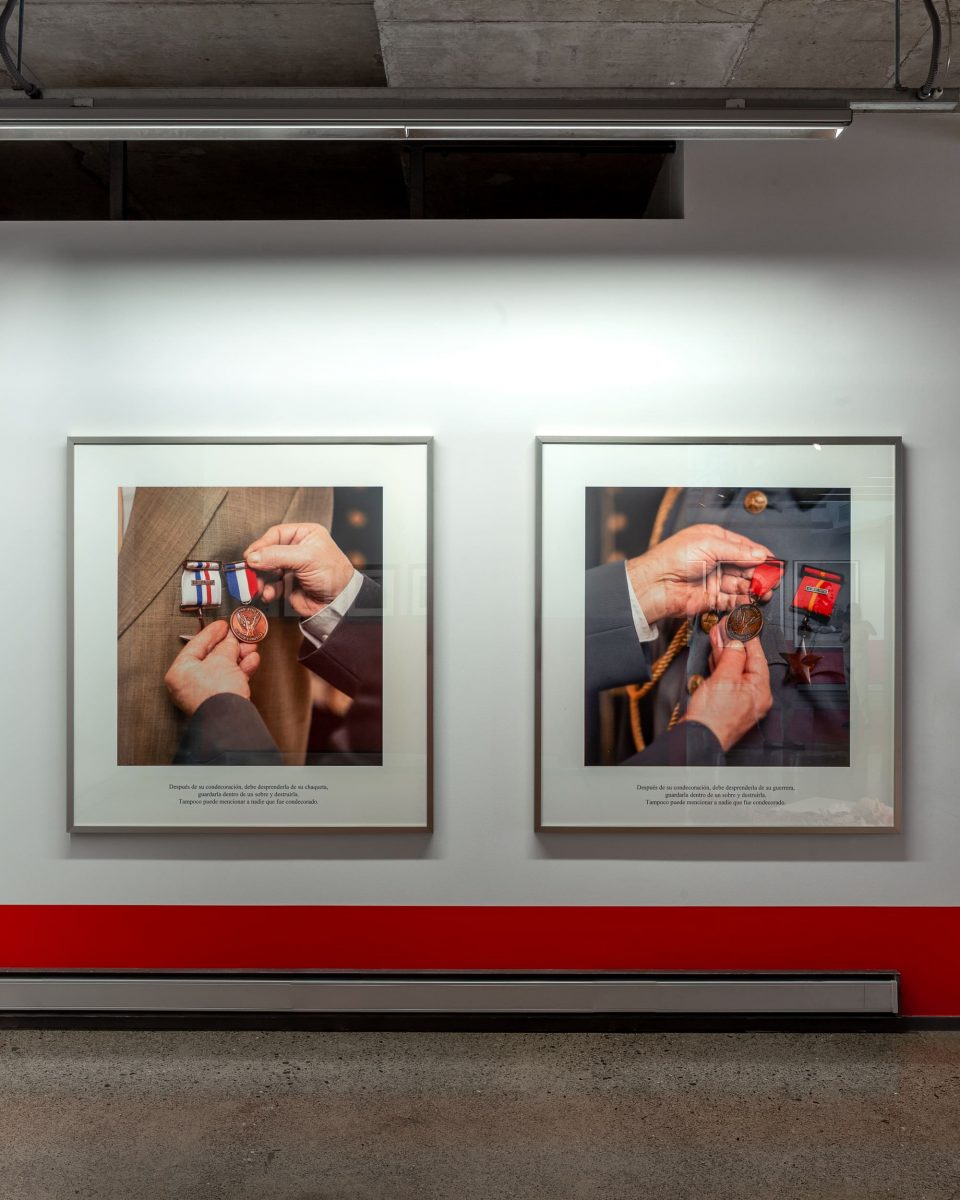
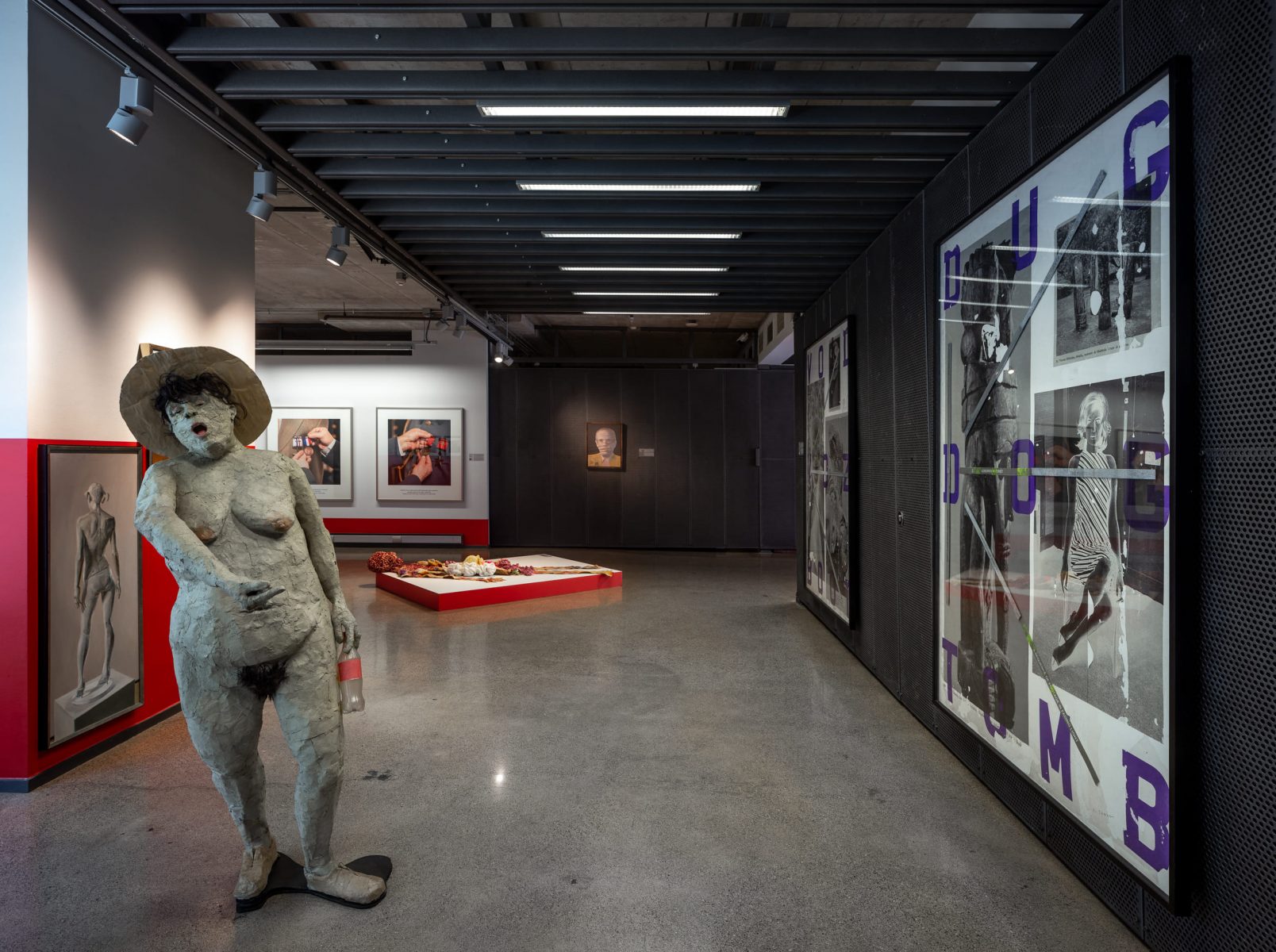
In this exhibition, we present the work of eight artists and a collective from the Il Posto collection that resonate with Langlois’ desire for representation and encounter with the body in a dimension that tensions intimacy and the popular. The pieces gathered here, situated in an undefined and opaque time, question the place of the body from a perspective of suspicion and detention, while contributing to the imagination of new corporealities by recovering lost or disintegrating bodies. Arranged throughout the room, they carry a desire for transformation that becomes visible in the staging through their garments, materialities, and cosmetics.
The images that articulate this narrative address the body in its fragile, mortuary, and transient dimension through different reminiscences of political history, illness, colonialism, and dissident bodies. The different sensibilities that circulate in this exhibition reflect the practices of artists from different generations and geographies, whose methods challenge the traditional categories of sculpture, video art, performance, painting, and photography.
Nelly Richard reflects on the regularization of life patterns and roles through fashion, stating that these are “roles that follow one another in a linear sequence of actions without ever overlapping or confusing their scripts.” In her text, which accompanies and challenges the works in the exhibition, Ariel Florencia Richards insists on questioning the possibility of the process of dressing and undressing as a catalyst for encounters, discoveries, and the imagination of new categories and roles in relation to clothing. Her narrative intertwines her personal experience, research, and theories about the role of the body in contemporary art, while resonating in each of these gazes and gestures in the space that allow us to configure new ways of inhabiting our intimacy, desires, and ambiguities.